

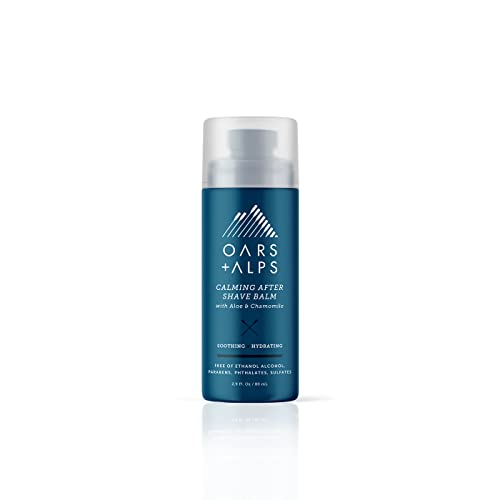


Oars + Alps After Shave Balm - Soothes & Hydrates with Aloe & Chamomile - 2.9 Fl Oz


Sodium Hydroxide
High RiskSodium hydroxide is a highly caustic and reactive inorganic compound commonly used as a pH adjuster in various products. It is effective in neutralizing acids and plays a role in the production of soaps and detergents.
Sustai Insights
Sodium hydroxide serves essential functions, particularly in adjusting pH levels, but poses significant health risks, including skin and eye irritation. It is subject to high usage restrictions due to its corrosive nature. Environmental concerns include its potential to pollute water sources and contribute to ecosystem damage. Regulatory bodies have imposed strict guidelines on its use, indicating a high-risk profile for products containing this ingredient. Safe handling practices are crucial, and alternatives include milder pH adjusters, emphasizing the need for caution in its application.
Eucalyptus Globulus (Eucalyptus) Leaf Oil
Medium RiskEucalyptus globulus leaf oil is a volatile oil derived from the leaves of the eucalyptus tree, primarily used for its aromatic properties and as a potential antimicrobial agent in various products.

Sustai Insights
Eucalyptus globulus leaf oil offers functional benefits like fragrance and potential antimicrobial properties, supporting product efficacy. However, it presents high allergenic potential and moderate irritation concerns, which may pose health risks. Environmental risks include possible pollution and bioaccumulation. Regulatory restrictions are in place regarding its use in certain products. Overall, the risk level is medium, necessitating caution in usage and consideration of alternatives like tea tree oil or peppermint oil.
Bisabolol
Medium RiskBisabolol is a scent ingredient naturally occurring in various plants, particularly in chamomile. It is primarily used in cosmetics for its fragrance and potential skin-soothing properties, contributing to the overall sensory experience of personal care products.
Sustai Insights
Bisabolol offers functional benefits as a fragrance component and may provide skin-soothing effects. It is generally recognized for its low carcinogenic risk and low developmental toxicity, though moderate concerns exist regarding allergy potential. Bisabolol is also subject to certain restrictions in verified products. Environmental impacts are minimal, but it should be used with caution in sensitive populations. Overall, it poses a medium risk level based on current scientific understanding.
Phenoxyethanol
Medium RiskPhenoxyethanol is a preservative used in cosmetics and personal care products to prevent microbial growth and extend shelf life. It is commonly found in formulations such as lotions, creams, and serums.
Sustai Insights
Phenoxyethanol serves effectively as a preservative, ensuring product stability and safety by inhibiting microbial growth. It is considered to have low health risks regarding carcinogenicity, allergies, and reproductive toxicity. However, moderate use restrictions exist, and regulatory bodies have advised caution in specific applications. Environmental concerns include its potential as a pollutant, although it is not highly bioaccumulative. Overall, the ingredient presents a medium risk level, with safe usage practices recommended and alternative preservatives available for those seeking greener options.
Propanediol
Low RiskPropanediol is a glycol compound commonly used in cosmetic and personal care products as a solvent, humectant, and skin-conditioning agent. It serves to enhance the texture and moisture retention of formulations, contributing to overall product efficacy.
Sustai Insights
Propanediol offers functional benefits such as effective moisture retention and improved product application. It is considered low-risk in terms of health concerns, with minimal associations with carcinogenicity, allergies, or reproductive toxicity. Environmentally, it has low pollutant potential and is not bioaccumulative. Regulatory bodies have not placed restrictions on its use. Despite concerns regarding enhanced skin absorption and potential endocrine disruption, the overall assessment indicates low risk. Safe usage practices should be followed, and alternatives like glycerin or other plant-based humectants can be considered.
Allantoin
Low RiskAllantoin is a naturally occurring nitrogenous compound found in various plants and animals. It is commonly used in cosmetic formulations for its soothing and moisturizing properties, as well as its ability to promote skin cell turnover and healing.
Sustai Insights
Allantoin offers functional benefits such as skin soothing, hydration, and promoting cell regeneration. It is generally recognized as safe, with low concerns regarding carcinogenicity, allergies, and reproductive toxicity. Environmentally, it poses minimal risks, being biodegradable and sustainably sourced. Regulatory bodies do not impose significant restrictions on its use. Overall, the risk level associated with allantoin is low, making it a favorable ingredient in personal care products.
Cetearyl Alcohol
Low RiskCetearyl alcohol is a mixture of cetyl and stearyl alcohol, primarily used as an emulsifier and thickener in cosmetic formulations. It helps stabilize products, improve texture, and enhance moisturizing properties, making it common in creams and lotions.
Sustai Insights
Cetearyl alcohol offers functional benefits as an effective emulsifier and skin-conditioning agent, contributing to product stability and texture. It is generally recognized as safe, with low concerns for carcinogenicity, allergies, or reproductive toxicity. Environmental risks are minimal, as it is biodegradable and has low pollutant potential. Regulatory bodies have not imposed significant restrictions on its use. Overall, cetearyl alcohol is assessed to carry low risk, making it a suitable ingredient choice in cosmetic products.
Zingiber Officinale (Ginger) Root Extract
Low RiskZingiber officinale (ginger) root extract is derived from the ginger plant, widely recognized for its use in culinary applications and traditional medicine. It serves various functions in products, including flavor enhancement and potential therapeutic benefits due to its bioactive compounds.
Sustai Insights
Ginger root extract offers functional benefits such as flavoring and possible anti-inflammatory properties. It is sustainably sourced and biodegradable. Health risks are low, with minimal concerns regarding carcinogenicity, allergies, or reproductive toxicity. Environmental risks appear low, with no significant pollutants. Regulatory status is favorable, with no major warnings. Overall, the risk level associated with ginger root extract is low, making it a suitable ingredient in various applications.
Ethylhexylglycerin
Low RiskEthylhexylglycerin is a glyceryl ether utilized primarily as a skin-conditioning agent and preservative in cosmetic formulations. It enhances the efficacy of preservatives and serves as a humectant, helping to retain moisture in the skin. This ingredient is commonly found in various personal care products.
Sustai Insights
Ethylhexylglycerin offers functional benefits as an effective preservative and skin-conditioning agent, contributing to product longevity and moisture retention. Health risks are generally low, with minor concerns regarding allergic contact dermatitis and irritant potential. Environmentally, it poses minimal risks, not being recognized as a pollutant or bioaccumulative. Regulatory bodies have imposed few restrictions, indicating its safety for use. Overall, its risk level is assessed as low, making it a viable option in cosmetic formulations. For those seeking alternatives, ingredients like propanediol may serve similar functions with potentially lower irritation profiles.
Silybum Marianum (Lady's Thistle) Fruit Extract
Low RiskSilybum marianum (lady's thistle) fruit extract is an extract derived from the seeds of the milk thistle plant, commonly used for its potential antioxidant properties. It is often included in skincare products for its ability to support skin health and provide a natural source of flavonoids.
Sustai Insights
Silybum marianum fruit extract offers functional benefits such as antioxidant properties and support for skin health, with low associated health risks including carcinogenicity, allergenicity, and reproductive toxicity. Environmental risks are minimal, and it is not currently restricted by regulatory bodies. Overall, the ingredient is assessed to have a low risk profile, making it a safe option in cosmetic formulations.
Corn Starch, Modified
Low RiskModified corn starch is a calcium salt derived from corn starch, commonly used as a thickening agent or stabilizer in various cosmetic formulations. It enhances product texture and consistency without imparting significant color or odor.
Sustai Insights
Modified corn starch offers functional benefits as a thickener and stabilizer in cosmetic products, with low allergenic potential and minimal health risks, including low concerns for carcinogenicity and reproductive toxicity. Environmental risks appear low, with no significant pollutant potential or bioaccumulation identified. Regulatory status shows no major restrictions, though verified products must ensure compliance. Overall, the ingredient is assessed as low risk, suitable for use in various formulations, with no immediate alternatives necessary.
Vegetarian Glycerin
Low RiskVegetarian glycerin, also known as glycerol, is a colorless, odorless, and viscous liquid derived from plant sources. It is primarily used as a humectant, solvent, and emollient in various personal care products, helping to retain moisture and improve texture.
Sustai Insights
Vegetarian glycerin offers functional benefits as an effective humectant, promoting hydration and skin smoothness. It is biodegradable and typically sustainably sourced. Health risks associated with glycerin are low, with no significant concerns for carcinogenicity, allergens, or reproductive toxicity. Environmental risks are minimal, and it is not subject to major regulatory warnings. Overall, the risk level for this ingredient is low, making it a safe choice in formulations. Safe usage practices include ensuring proper concentrations in products, and alternatives such as propylene glycol exist but may have differing properties.
Glyceryl Acrylate/Acrylic Acid Copolymer
Low RiskGlyceryl acrylate/acrylic acid copolymer is a synthetic polymer used primarily as a thickening agent and film-forming agent in cosmetic and personal care products. It enhances product texture and stability, contributing to improved application properties.
Sustai Insights
Glyceryl acrylate/acrylic acid copolymer serves as an effective thickening and film-forming agent, improving product performance. It is typically regarded as having low health risks, with minimal concerns regarding carcinogenicity, allergenic potential, and reproductive toxicity. Environmental impacts appear limited, with no evidence of bioaccumulation or significant pollution. Regulatory bodies have not issued warnings, indicating a low-risk profile overall. Safe usage practices should be followed, with consideration for potential enhanced skin absorption in specific formulations. Alternatives may be explored, but the ingredient currently scores low on risk assessments.
Butyrospermum Parkii (Shea) Butter
Low RiskButyrospermum parkii (shea) butter is a vegetable fat derived from the nuts of the shea tree. It is commonly used in cosmetic formulations for its emollient properties, providing moisture and improving skin texture. Additionally, shea butter is known for its ability to enhance the stability of products and deliver a creamy texture.
Sustai Insights
Shea butter offers functional benefits as an effective moisturizer, enhancing skin barrier function and texture. It is sustainably sourced and biodegradable, contributing to eco-friendliness. Health-wise, it is associated with low risks for carcinogenicity, allergies, and reproductive toxicity. Environmental impacts are minimal, with no significant pollutant potential identified. Regulatory assessments indicate no current restrictions. Overall, the ingredient presents a low risk, making it a favorable choice in cosmetic formulations.
Acrylates/C10 30 Alkyl Acrylate Crosspolymer
Low RiskAcrylates/C10-30 Alkyl Acrylate Crosspolymer is a polymer derived from acrylic acid, primarily used as a thickening agent and stabilizer in cosmetic and personal care formulations. It enhances the texture and consistency of products, allowing for better application and performance.
Sustai Insights
This ingredient serves effectively as a thickener and stabilizer in various formulations, contributing to desirable product consistency. It is generally regarded as low risk concerning health impacts, with minimal concerns for irritation or allergies. Environmental risks are low, and it does not possess significant pollutant or bioaccumulative potential. Regulatory bodies have not placed severe restrictions on its use. Safe usage practices should be followed to minimize irritation, and while alternatives exist, they may not offer the same functional benefits. Overall, the ingredient is assessed as low risk.
Enteromorpha Compressa (Linnaeus) Extract
Low RiskEnteromorpha compressa (Linnaeus) extract is derived from a type of green seaweed commonly found in marine environments. It is utilized in cosmetic formulations for its potential hydrating and soothing properties, contributing to product texture and stability.
Sustai Insights
Enteromorpha compressa extract offers functional benefits, including hydration and skin soothing, while being sustainably sourced. Health risk assessments indicate low concerns regarding carcinogenicity, allergens, and reproductive toxicity. Environmental impacts are minimal, with no significant pollution or bioaccumulation potential noted. Regulatory status is favorable, posing low overall risk. Safe usage practices should still be observed, and while alternatives exist, this extract is considered effective and low-risk.
Panthenol, D
Low RiskPanthenol, also known as provitamin B5, is a humectant commonly used in cosmetic and personal care products. It functions primarily as a moisturizer, enhancing skin hydration and improving the appearance of hair by imparting shine and softness.
Sustai Insights
Panthenol is effective in retaining moisture, thus providing functional benefits for skin and hair care products. It is generally recognized as safe, with low concerns regarding carcinogenicity, allergies, and developmental toxicity. However, potential cumulative exposure from multiple sources exists. Environmental risks are minimal, and it is not bioaccumulative. Regulatory bodies have not issued significant warnings; therefore, the overall risk level is assessed as low. For optimal use, it is recommended to follow product guidelines, and alternatives such as glycerin may also be considered for moisturizing effects.
Ocimum (Basil)
Low RiskOcimum, commonly known as basil, is a herb widely used for culinary and medicinal purposes. It contains essential oils and various phytochemicals, contributing to its flavor and potential health benefits. Basil is often utilized in food products, personal care items, and herbal remedies.
Sustai Insights
Basil offers functional benefits as a flavoring agent and possesses antioxidant properties. It is generally recognized as safe, with low concerns for cancer, allergies, and reproductive toxicity. Environmental risks are minimal, and it is not subject to significant regulatory restrictions. Overall, the ingredient is assessed as low risk, making it suitable for use in various applications. Safe usage practices should be followed, though alternatives like oregano or thyme might be considered for specific formulations.
Menthyl Lactate
Low RiskMenthyl lactate is an ester formed from menthol and lactic acid, primarily used for its cooling sensation in cosmetic and personal care products. It serves as a fragrance component and enhances the sensory experience of formulations.
Sustai Insights
Menthyl lactate is valued for its cooling and soothing properties, making it effective in products for skin and oral care. It is considered low risk regarding health concerns, including carcinogenicity and allergies, with no significant environmental hazards identified. Regulatory bodies like the FDA have not imposed restrictions on its use. Safe usage practices should be followed, although alternative cooling agents may be explored for improved sustainability. Overall, the ingredient presents a low risk profile.
Water
Low RiskWater is a clear, colorless liquid essential for various biological processes. It serves as a solvent in formulations, facilitating the dissolution of other ingredients and enhancing product texture and application. Additionally, water plays a crucial role in hydration and is a key component in many cosmetic and personal care products.
Sustai Insights
Water is an effective solvent and hydrator, contributing to the texture and efficacy of formulations. It is biodegradable and generally regarded as safe, with low concerns regarding carcinogenicity, allergies, and reproductive toxicity. However, excessive water usage can lead to environmental concerns, particularly regarding resource depletion. Regulatory bodies do not impose restrictions on water use in cosmetics. Overall, the risks associated with water are low, making it a safe and essential ingredient.
Propanediol
Low RiskPropanediol is a glycol compound commonly used in cosmetic and personal care products as a solvent, humectant, and skin-conditioning agent. It serves to enhance the texture and moisture retention of formulations, contributing to overall product efficacy.
Sustai Insights
Propanediol offers functional benefits such as effective moisture retention and improved product application. It is considered low-risk in terms of health concerns, with minimal associations with carcinogenicity, allergies, or reproductive toxicity. Environmentally, it has low pollutant potential and is not bioaccumulative. Regulatory bodies have not placed restrictions on its use. Despite concerns regarding enhanced skin absorption and potential endocrine disruption, the overall assessment indicates low risk. Safe usage practices should be followed, and alternatives like glycerin or other plant-based humectants can be considered.
Allantoin
Low RiskAllantoin is a naturally occurring nitrogenous compound found in various plants and animals. It is commonly used in cosmetic formulations for its soothing and moisturizing properties, as well as its ability to promote skin cell turnover and healing.
Sustai Insights
Allantoin offers functional benefits such as skin soothing, hydration, and promoting cell regeneration. It is generally recognized as safe, with low concerns regarding carcinogenicity, allergies, and reproductive toxicity. Environmentally, it poses minimal risks, being biodegradable and sustainably sourced. Regulatory bodies do not impose significant restrictions on its use. Overall, the risk level associated with allantoin is low, making it a favorable ingredient in personal care products.
Cetearyl Alcohol
Low RiskCetearyl alcohol is a mixture of cetyl and stearyl alcohol, primarily used as an emulsifier and thickener in cosmetic formulations. It helps stabilize products, improve texture, and enhance moisturizing properties, making it common in creams and lotions.
Sustai Insights
Cetearyl alcohol offers functional benefits as an effective emulsifier and skin-conditioning agent, contributing to product stability and texture. It is generally recognized as safe, with low concerns for carcinogenicity, allergies, or reproductive toxicity. Environmental risks are minimal, as it is biodegradable and has low pollutant potential. Regulatory bodies have not imposed significant restrictions on its use. Overall, cetearyl alcohol is assessed to carry low risk, making it a suitable ingredient choice in cosmetic products.
Zingiber Officinale (Ginger) Root Extract
Low RiskZingiber officinale (ginger) root extract is derived from the ginger plant, widely recognized for its use in culinary applications and traditional medicine. It serves various functions in products, including flavor enhancement and potential therapeutic benefits due to its bioactive compounds.
Sustai Insights
Ginger root extract offers functional benefits such as flavoring and possible anti-inflammatory properties. It is sustainably sourced and biodegradable. Health risks are low, with minimal concerns regarding carcinogenicity, allergies, or reproductive toxicity. Environmental risks appear low, with no significant pollutants. Regulatory status is favorable, with no major warnings. Overall, the risk level associated with ginger root extract is low, making it a suitable ingredient in various applications.
Ethylhexylglycerin
Low RiskEthylhexylglycerin is a glyceryl ether utilized primarily as a skin-conditioning agent and preservative in cosmetic formulations. It enhances the efficacy of preservatives and serves as a humectant, helping to retain moisture in the skin. This ingredient is commonly found in various personal care products.
Sustai Insights
Ethylhexylglycerin offers functional benefits as an effective preservative and skin-conditioning agent, contributing to product longevity and moisture retention. Health risks are generally low, with minor concerns regarding allergic contact dermatitis and irritant potential. Environmentally, it poses minimal risks, not being recognized as a pollutant or bioaccumulative. Regulatory bodies have imposed few restrictions, indicating its safety for use. Overall, its risk level is assessed as low, making it a viable option in cosmetic formulations. For those seeking alternatives, ingredients like propanediol may serve similar functions with potentially lower irritation profiles.
Silybum Marianum (Lady's Thistle) Fruit Extract
Low RiskSilybum marianum (lady's thistle) fruit extract is an extract derived from the seeds of the milk thistle plant, commonly used for its potential antioxidant properties. It is often included in skincare products for its ability to support skin health and provide a natural source of flavonoids.
Sustai Insights
Silybum marianum fruit extract offers functional benefits such as antioxidant properties and support for skin health, with low associated health risks including carcinogenicity, allergenicity, and reproductive toxicity. Environmental risks are minimal, and it is not currently restricted by regulatory bodies. Overall, the ingredient is assessed to have a low risk profile, making it a safe option in cosmetic formulations.
Eucalyptus Globulus (Eucalyptus) Leaf Oil
Medium RiskEucalyptus globulus leaf oil is a volatile oil derived from the leaves of the eucalyptus tree, primarily used for its aromatic properties and as a potential antimicrobial agent in various products.
Sustai Insights
Eucalyptus globulus leaf oil offers functional benefits like fragrance and potential antimicrobial properties, supporting product efficacy. However, it presents high allergenic potential and moderate irritation concerns, which may pose health risks. Environmental risks include possible pollution and bioaccumulation. Regulatory restrictions are in place regarding its use in certain products. Overall, the risk level is medium, necessitating caution in usage and consideration of alternatives like tea tree oil or peppermint oil.
Corn Starch, Modified
Low RiskModified corn starch is a calcium salt derived from corn starch, commonly used as a thickening agent or stabilizer in various cosmetic formulations. It enhances product texture and consistency without imparting significant color or odor.
Sustai Insights
Modified corn starch offers functional benefits as a thickener and stabilizer in cosmetic products, with low allergenic potential and minimal health risks, including low concerns for carcinogenicity and reproductive toxicity. Environmental risks appear low, with no significant pollutant potential or bioaccumulation identified. Regulatory status shows no major restrictions, though verified products must ensure compliance. Overall, the ingredient is assessed as low risk, suitable for use in various formulations, with no immediate alternatives necessary.
Vegetarian Glycerin
Low RiskVegetarian glycerin, also known as glycerol, is a colorless, odorless, and viscous liquid derived from plant sources. It is primarily used as a humectant, solvent, and emollient in various personal care products, helping to retain moisture and improve texture.
Sustai Insights
Vegetarian glycerin offers functional benefits as an effective humectant, promoting hydration and skin smoothness. It is biodegradable and typically sustainably sourced. Health risks associated with glycerin are low, with no significant concerns for carcinogenicity, allergens, or reproductive toxicity. Environmental risks are minimal, and it is not subject to major regulatory warnings. Overall, the risk level for this ingredient is low, making it a safe choice in formulations. Safe usage practices include ensuring proper concentrations in products, and alternatives such as propylene glycol exist but may have differing properties.
Bisabolol
Medium RiskBisabolol is a scent ingredient naturally occurring in various plants, particularly in chamomile. It is primarily used in cosmetics for its fragrance and potential skin-soothing properties, contributing to the overall sensory experience of personal care products.
Sustai Insights
Bisabolol offers functional benefits as a fragrance component and may provide skin-soothing effects. It is generally recognized for its low carcinogenic risk and low developmental toxicity, though moderate concerns exist regarding allergy potential. Bisabolol is also subject to certain restrictions in verified products. Environmental impacts are minimal, but it should be used with caution in sensitive populations. Overall, it poses a medium risk level based on current scientific understanding.
Glyceryl Acrylate/Acrylic Acid Copolymer
Low RiskGlyceryl acrylate/acrylic acid copolymer is a synthetic polymer used primarily as a thickening agent and film-forming agent in cosmetic and personal care products. It enhances product texture and stability, contributing to improved application properties.
Sustai Insights
Glyceryl acrylate/acrylic acid copolymer serves as an effective thickening and film-forming agent, improving product performance. It is typically regarded as having low health risks, with minimal concerns regarding carcinogenicity, allergenic potential, and reproductive toxicity. Environmental impacts appear limited, with no evidence of bioaccumulation or significant pollution. Regulatory bodies have not issued warnings, indicating a low-risk profile overall. Safe usage practices should be followed, with consideration for potential enhanced skin absorption in specific formulations. Alternatives may be explored, but the ingredient currently scores low on risk assessments.
Butyrospermum Parkii (Shea) Butter
Low RiskButyrospermum parkii (shea) butter is a vegetable fat derived from the nuts of the shea tree. It is commonly used in cosmetic formulations for its emollient properties, providing moisture and improving skin texture. Additionally, shea butter is known for its ability to enhance the stability of products and deliver a creamy texture.
Sustai Insights
Shea butter offers functional benefits as an effective moisturizer, enhancing skin barrier function and texture. It is sustainably sourced and biodegradable, contributing to eco-friendliness. Health-wise, it is associated with low risks for carcinogenicity, allergies, and reproductive toxicity. Environmental impacts are minimal, with no significant pollutant potential identified. Regulatory assessments indicate no current restrictions. Overall, the ingredient presents a low risk, making it a favorable choice in cosmetic formulations.
Sodium Hydroxide
High RiskSodium hydroxide is a highly caustic and reactive inorganic compound commonly used as a pH adjuster in various products. It is effective in neutralizing acids and plays a role in the production of soaps and detergents.
Sustai Insights
Sodium hydroxide serves essential functions, particularly in adjusting pH levels, but poses significant health risks, including skin and eye irritation. It is subject to high usage restrictions due to its corrosive nature. Environmental concerns include its potential to pollute water sources and contribute to ecosystem damage. Regulatory bodies have imposed strict guidelines on its use, indicating a high-risk profile for products containing this ingredient. Safe handling practices are crucial, and alternatives include milder pH adjusters, emphasizing the need for caution in its application.
Acrylates/C10 30 Alkyl Acrylate Crosspolymer
Low RiskAcrylates/C10-30 Alkyl Acrylate Crosspolymer is a polymer derived from acrylic acid, primarily used as a thickening agent and stabilizer in cosmetic and personal care formulations. It enhances the texture and consistency of products, allowing for better application and performance.
Sustai Insights
This ingredient serves effectively as a thickener and stabilizer in various formulations, contributing to desirable product consistency. It is generally regarded as low risk concerning health impacts, with minimal concerns for irritation or allergies. Environmental risks are low, and it does not possess significant pollutant or bioaccumulative potential. Regulatory bodies have not placed severe restrictions on its use. Safe usage practices should be followed to minimize irritation, and while alternatives exist, they may not offer the same functional benefits. Overall, the ingredient is assessed as low risk.
Enteromorpha Compressa (Linnaeus) Extract
Low RiskEnteromorpha compressa (Linnaeus) extract is derived from a type of green seaweed commonly found in marine environments. It is utilized in cosmetic formulations for its potential hydrating and soothing properties, contributing to product texture and stability.
Sustai Insights
Enteromorpha compressa extract offers functional benefits, including hydration and skin soothing, while being sustainably sourced. Health risk assessments indicate low concerns regarding carcinogenicity, allergens, and reproductive toxicity. Environmental impacts are minimal, with no significant pollution or bioaccumulation potential noted. Regulatory status is favorable, posing low overall risk. Safe usage practices should still be observed, and while alternatives exist, this extract is considered effective and low-risk.
Phenoxyethanol
Medium RiskPhenoxyethanol is a preservative used in cosmetics and personal care products to prevent microbial growth and extend shelf life. It is commonly found in formulations such as lotions, creams, and serums.
Sustai Insights
Phenoxyethanol serves effectively as a preservative, ensuring product stability and safety by inhibiting microbial growth. It is considered to have low health risks regarding carcinogenicity, allergies, and reproductive toxicity. However, moderate use restrictions exist, and regulatory bodies have advised caution in specific applications. Environmental concerns include its potential as a pollutant, although it is not highly bioaccumulative. Overall, the ingredient presents a medium risk level, with safe usage practices recommended and alternative preservatives available for those seeking greener options.
Panthenol, D
Low RiskPanthenol, also known as provitamin B5, is a humectant commonly used in cosmetic and personal care products. It functions primarily as a moisturizer, enhancing skin hydration and improving the appearance of hair by imparting shine and softness.
Sustai Insights
Panthenol is effective in retaining moisture, thus providing functional benefits for skin and hair care products. It is generally recognized as safe, with low concerns regarding carcinogenicity, allergies, and developmental toxicity. However, potential cumulative exposure from multiple sources exists. Environmental risks are minimal, and it is not bioaccumulative. Regulatory bodies have not issued significant warnings; therefore, the overall risk level is assessed as low. For optimal use, it is recommended to follow product guidelines, and alternatives such as glycerin may also be considered for moisturizing effects.
Ocimum (Basil)
Low RiskOcimum, commonly known as basil, is a herb widely used for culinary and medicinal purposes. It contains essential oils and various phytochemicals, contributing to its flavor and potential health benefits. Basil is often utilized in food products, personal care items, and herbal remedies.
Sustai Insights
Basil offers functional benefits as a flavoring agent and possesses antioxidant properties. It is generally recognized as safe, with low concerns for cancer, allergies, and reproductive toxicity. Environmental risks are minimal, and it is not subject to significant regulatory restrictions. Overall, the ingredient is assessed as low risk, making it suitable for use in various applications. Safe usage practices should be followed, though alternatives like oregano or thyme might be considered for specific formulations.
Menthyl Lactate
Low RiskMenthyl lactate is an ester formed from menthol and lactic acid, primarily used for its cooling sensation in cosmetic and personal care products. It serves as a fragrance component and enhances the sensory experience of formulations.
Sustai Insights
Menthyl lactate is valued for its cooling and soothing properties, making it effective in products for skin and oral care. It is considered low risk regarding health concerns, including carcinogenicity and allergies, with no significant environmental hazards identified. Regulatory bodies like the FDA have not imposed restrictions on its use. Safe usage practices should be followed, although alternative cooling agents may be explored for improved sustainability. Overall, the ingredient presents a low risk profile.
Water
Low RiskWater is a clear, colorless liquid essential for various biological processes. It serves as a solvent in formulations, facilitating the dissolution of other ingredients and enhancing product texture and application. Additionally, water plays a crucial role in hydration and is a key component in many cosmetic and personal care products.
Sustai Insights
Water is an effective solvent and hydrator, contributing to the texture and efficacy of formulations. It is biodegradable and generally regarded as safe, with low concerns regarding carcinogenicity, allergies, and reproductive toxicity. However, excessive water usage can lead to environmental concerns, particularly regarding resource depletion. Regulatory bodies do not impose restrictions on water use in cosmetics. Overall, the risks associated with water are low, making it a safe and essential ingredient.
Experience the soothing power of Oars + Alps Calming After Shave Balm, designed specifically for men's skin. This dermatologist-tested balm combines the healing properties of aloe and chamomile to provide a calming, hydrating experience after shaving.
- Soothes and Heals: Infused with chamomile oil, known for its skin-soothing and antioxidant properties, to help calm irritation and redness.
- Hydration Boost: Enriched with aloe leaf juice, this balm provides essential moisture and hydration, keeping skin soft and supple.
- Gentle on Skin: Contains bisabolol and ginger root extract to protect against environmental stressors while reducing sensitivity and redness.
- Nourishing Ingredients: Features Enteromorpha compressa, a seaweed extract that balances and hydrates, ensuring your skin stays nourished and refreshed.
- Easy to Use: Incorporate this balm into your daily grooming routine for long-lasting comfort and care, perfect for sensitive skin.
Oars + Alps is committed to ethical practices, ensuring that every product not only cares for your skin but also respects the environment.
Subscribe & Save with Sustai
- Best Price Guarantee: Always enjoy the lowest prices on sustainable home essentials.
- No Surprises: We’ll notify you before shipping. No hidden fees, ever.
- You’re in Charge: Change, pause, or cancel your subscription anytime with ease.
- Eco-Friendly Deliveries: Our grouped shipments mean less packaging and lower emissions.
Join us on a sustainable journey. Special offers for a limited time! Prices and promotions may change.
Recommended Products

Experience the soothing power of Oars + Alps Calming After Shave Balm, designed specifically for men's skin. This dermatologist-tested balm combines the healing properties of aloe and chamomile to provide a calming, hydrating experience after shaving.
- Soothes and Heals: Infused with chamomile oil, known for its skin-soothing and antioxidant properties, to help calm irritation and redness.
- Hydration Boost: Enriched with aloe leaf juice, this balm provides essential moisture and hydration, keeping skin soft and supple.
- Gentle on Skin: Contains bisabolol and ginger root extract to protect against environmental stressors while reducing sensitivity and redness.
- Nourishing Ingredients: Features Enteromorpha compressa, a seaweed extract that balances and hydrates, ensuring your skin stays nourished and refreshed.
- Easy to Use: Incorporate this balm into your daily grooming routine for long-lasting comfort and care, perfect for sensitive skin.
Oars + Alps is committed to ethical practices, ensuring that every product not only cares for your skin but also respects the environment.
You can have at most 2 Sustainable Steals products in your cart
Customer Reviews

Customers’ View
Customers generally express satisfaction with the Oars + Alps After Shave Balm, highlighting its effectiveness in soothing and hydrating the skin post-shave. Many users appreciate the natural ingredients, noting the absence of harsh chemicals often found in mainstream products. One reviewer mentioned, 'It’s so good to see a company that makes quality products without nasty chemicals.' Users frequently comment on the balm's smooth application and its ability to prevent razor burn, with one stating, 'The aftershave goes on real smooth and has a cooling and soothing feel.' While some feedback on scent preferences varied, a significant number found the fragrance pleasant and not overpowering. Overall, customers recognize this product as a reliable choice that aligns with their eco-friendly and health-conscious values.
AI-generated from the text of customer reviewsThis product has no reviews yet.