
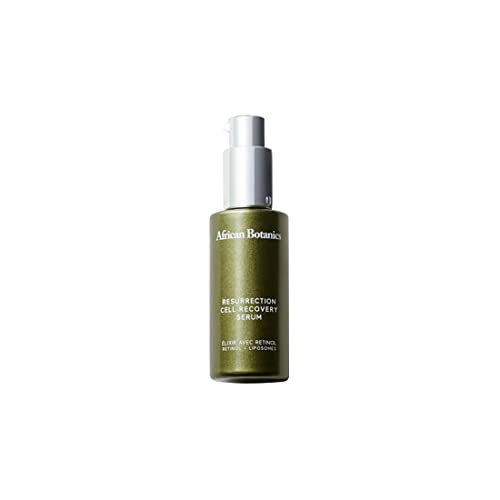
African Botanics Resurrection Cell Recovery Serum - Hydrates, Soothes, Anti-Aging - 30ml


Hydrolyzed Wheat Protein
High RiskHydrolyzed wheat protein is produced by acid or enzymatic hydrolysis of wheat gluten, resulting in smaller protein fragments that can be easily absorbed by hair and skin. This ingredient is commonly used in personal care products for its moisturizing and film-forming properties.
Sustai Insights
Hydrolyzed wheat protein offers functional benefits, such as enhancing moisture retention and improving product texture. It is generally considered low risk for carcinogenicity, with moderate potential for allergies. Regulatory restrictions apply, particularly for products that must avoid specific allergens. Environmental concerns include its potential as a pollutant; however, it is not known for bioaccumulation. Safe usage practices are recommended for sensitive individuals, and alternatives like hydrolyzed soy protein may provide similar benefits with reduced allergenic potential. Overall, the ingredient presents a high risk assessment due to use restrictions and allergy concerns.
Panthenol, D
Low RiskPanthenol, also known as provitamin B5, is a humectant commonly used in cosmetic and personal care products. It functions primarily as a moisturizer, enhancing skin hydration and improving the appearance of hair by imparting shine and softness.
Sustai Insights
Panthenol is effective in retaining moisture, thus providing functional benefits for skin and hair care products. It is generally recognized as safe, with low concerns regarding carcinogenicity, allergies, and developmental toxicity. However, potential cumulative exposure from multiple sources exists. Environmental risks are minimal, and it is not bioaccumulative. Regulatory bodies have not issued significant warnings; therefore, the overall risk level is assessed as low. For optimal use, it is recommended to follow product guidelines, and alternatives such as glycerin may also be considered for moisturizing effects.
Phytic Acid
Low RiskPhytic acid is a hexaphosphoric acid ester of inositol, primarily found in seeds, grains, and legumes. It acts as an antioxidant and is often used in cosmetic formulations for its chelating properties, helping to stabilize products by binding metal ions.
Sustai Insights
Phytic acid provides functional benefits such as antioxidant properties and metal ion chelation, enhancing product stability. It is considered environmentally friendly due to its biodegradable nature. Health risks are low, with minimal concerns regarding carcinogenicity, allergies, or reproductive toxicity. Regulatory bodies have imposed minor restrictions, and overall, the risk level is assessed as low. For safe usage, it is important to follow recommended concentrations. Alternatives like ascorbic acid could be considered for similar antioxidant effects.
Water
Low RiskWater is a clear, colorless liquid essential for various biological processes. It serves as a solvent in formulations, facilitating the dissolution of other ingredients and enhancing product texture and application. Additionally, water plays a crucial role in hydration and is a key component in many cosmetic and personal care products.
Sustai Insights
Water is an effective solvent and hydrator, contributing to the texture and efficacy of formulations. It is biodegradable and generally regarded as safe, with low concerns regarding carcinogenicity, allergies, and reproductive toxicity. However, excessive water usage can lead to environmental concerns, particularly regarding resource depletion. Regulatory bodies do not impose restrictions on water use in cosmetics. Overall, the risks associated with water are low, making it a safe and essential ingredient.
Aloe Ferox (Cape Aloe) Leaf Extract
Low RiskAloe ferox (Cape aloe) leaf extract is derived from the leaves of the Aloe ferox plant, known for its gelatinous consistency. It is commonly used in cosmetic products for its moisturizing and soothing properties, often found in formulations targeting skin hydration and revitalization.
Sustai Insights
Aloe ferox leaf extract offers functional benefits such as skin hydration and soothing effects, with sustainability credentials reflecting its plant-based origin. Health risks are minimal, categorized as low for carcinogenicity, allergies, and reproductive toxicity. Environmental risks are also low, with no significant pollutant or bioaccumulative concerns. It is subject to some regulatory restrictions, but overall, the ingredient poses a low-risk assessment for consumer use. Safe usage practices include avoiding excessive application, with alternatives like Aloe vera being available.
Anacyclus Pyrethrum Root Extract
Low RiskAnacyclus pyrethrum root extract is an extract derived from the root of the Anacyclus pyrethrum plant, commonly used in cosmetic and personal care products for its potential benefits in skin care formulations.
Sustai Insights
Anacyclus pyrethrum root extract serves as an effective ingredient with low associated health risks, including low concerns for carcinogenicity, allergies, and developmental toxicity. It is not currently restricted by regulatory bodies. Environmentally, it poses minimal risks, being non-bioaccumulative and not a significant pollutant. Given its low-risk profile and functional benefits, it is considered a safe component for use in personal care products. Alternatives may not be necessary due to its favorable safety assessment.
Hedera Helix (Ivy) Extract
Low RiskHedera helix (ivy) extract is an extract derived from the leaves of the common ivy plant. It is primarily used in cosmetic products for its potential soothing and moisturizing properties, contributing to skin care formulations.
Sustai Insights
Hedera helix (ivy) extract offers functional benefits such as hydration and soothing effects on the skin. It is considered low risk for common health concerns, including carcinogenicity and allergies. Environmentally, it poses minimal hazards and is not known to bioaccumulate. Regulatory bodies do not impose significant restrictions on its use. Overall, it is regarded as a low-risk ingredient. Safe usage practices should be followed, and alternatives may include other plant-based extracts with similar properties.
Cucumis Sativus (Cucumber) Fruit Extract
Low RiskCucumis sativus (cucumber) fruit extract is derived from the fruit of the cucumber plant. It is commonly used in cosmetic formulations for its hydrating and soothing properties, often included in products aimed at providing moisture and calming effects to the skin.
Sustai Insights
Cucumis sativus fruit extract offers functional benefits such as hydration and soothing effects on the skin, contributing to the overall efficacy of cosmetic products. It is regarded as low risk with minimal health concerns, including low potential for carcinogenicity, irritation, or allergies. Environmental risks are also low, with no significant pollutant or bioaccumulation concerns. Regulatory bodies do not impose restrictions on its use, supporting its safety in cosmetics. Safe usage practices include ensuring proper formulation concentrations. Overall, this ingredient presents a low risk profile, making it a suitable choice for various cosmetic applications.
Sambucus Nigra (Elder) Flower Extract
Low RiskSambucus nigra (elder) flower extract is derived from the flowers of the elderberry plant. It is commonly used in cosmetic and health products for its potential soothing and antioxidant properties. The extract is often incorporated for its fragrance and as a natural remedy in traditional medicine.
Sustai Insights
Sambucus nigra flower extract offers functional benefits such as antioxidant properties and potential skin-soothing effects. It is sustainably sourced and generally regarded as safe, with low associated health risks, including carcinogenicity, allergenic potential, and reproductive toxicity. There are no significant environmental risks or regulatory warnings against its use. Overall, the ingredient presents a low risk level, making it a suitable choice in formulations.
Hamamelis Virginiana (Witch Hazel) Distillate
Low RiskHamamelis virginiana (witch hazel) distillate is a plant-derived extract commonly used in cosmetic formulations for its astringent and soothing properties. It is primarily utilized for its ability to reduce inflammation and tighten skin, making it a popular ingredient in toners and aftershaves.
Sustai Insights
Witch hazel distillate exhibits several functional benefits, including its anti-inflammatory and astringent properties, which are beneficial for skin care. It is considered to have low health risks regarding carcinogenicity, allergies, and reproductive toxicity, with enhanced skin absorption being noted. Environmental concerns are minimal, as it is not classified as a pollutant or bioaccumulative. Regulatory bodies do not impose significant restrictions on its use. Overall, it is assessed as low risk, with recommendations for safe application in cosmetic products and consideration of alternatives like chamomile extract for similar benefits.
Sodium Acetylhyaluronate
Low RiskSodium acetylhyaluronate is a sodium salt derivative of hyaluronic acid, commonly used in cosmetic formulations for its hydrating properties. It functions primarily as a humectant, attracting moisture to the skin and helping to maintain hydration levels in various personal care products.
Sustai Insights
Sodium acetylhyaluronate is recognized for its effective moisture-retaining properties, enhancing skin hydration and improving product texture. It has low health risks, with negligible concerns regarding carcinogenicity, allergies, or reproductive toxicity. Environmentally, it poses minimal risks and is not associated with significant pollution or bioaccumulation. Regulatory assessments indicate no current restrictions. Overall, it is considered low risk, making it a favorable ingredient in cosmetic formulations.
Malva Sylvestris (Common Mallow) Extract
Low RiskMalva sylvestris (mallow) extract is derived from the common mallow plant, known for its soothing properties. It is primarily used in cosmetics and personal care products for its hydrating and anti-inflammatory effects, often included in formulations aimed at sensitive skin.
Sustai Insights
Malva sylvestris extract offers functional benefits such as skin hydration and soothing effects, making it suitable for sensitive skin formulations. It is sustainably sourced and poses low health risks, with no significant concerns related to carcinogenicity, allergies, or reproductive toxicity. Environmental impacts are minimal, and it is not associated with pollution or bioaccumulation. Regulatory bodies do not currently impose restrictions on its use. Overall, it is assessed as a low-risk ingredient, suitable for various applications.
Panthenol, D
Low RiskPanthenol, also known as provitamin B5, is a humectant commonly used in cosmetic and personal care products. It functions primarily as a moisturizer, enhancing skin hydration and improving the appearance of hair by imparting shine and softness.
Sustai Insights
Panthenol is effective in retaining moisture, thus providing functional benefits for skin and hair care products. It is generally recognized as safe, with low concerns regarding carcinogenicity, allergies, and developmental toxicity. However, potential cumulative exposure from multiple sources exists. Environmental risks are minimal, and it is not bioaccumulative. Regulatory bodies have not issued significant warnings; therefore, the overall risk level is assessed as low. For optimal use, it is recommended to follow product guidelines, and alternatives such as glycerin may also be considered for moisturizing effects.
Phytic Acid
Low RiskPhytic acid is a hexaphosphoric acid ester of inositol, primarily found in seeds, grains, and legumes. It acts as an antioxidant and is often used in cosmetic formulations for its chelating properties, helping to stabilize products by binding metal ions.
Sustai Insights
Phytic acid provides functional benefits such as antioxidant properties and metal ion chelation, enhancing product stability. It is considered environmentally friendly due to its biodegradable nature. Health risks are low, with minimal concerns regarding carcinogenicity, allergies, or reproductive toxicity. Regulatory bodies have imposed minor restrictions, and overall, the risk level is assessed as low. For safe usage, it is important to follow recommended concentrations. Alternatives like ascorbic acid could be considered for similar antioxidant effects.
Water
Low RiskWater is a clear, colorless liquid essential for various biological processes. It serves as a solvent in formulations, facilitating the dissolution of other ingredients and enhancing product texture and application. Additionally, water plays a crucial role in hydration and is a key component in many cosmetic and personal care products.
Sustai Insights
Water is an effective solvent and hydrator, contributing to the texture and efficacy of formulations. It is biodegradable and generally regarded as safe, with low concerns regarding carcinogenicity, allergies, and reproductive toxicity. However, excessive water usage can lead to environmental concerns, particularly regarding resource depletion. Regulatory bodies do not impose restrictions on water use in cosmetics. Overall, the risks associated with water are low, making it a safe and essential ingredient.
Hydrolyzed Wheat Protein
High RiskHydrolyzed wheat protein is produced by acid or enzymatic hydrolysis of wheat gluten, resulting in smaller protein fragments that can be easily absorbed by hair and skin. This ingredient is commonly used in personal care products for its moisturizing and film-forming properties.
Sustai Insights
Hydrolyzed wheat protein offers functional benefits, such as enhancing moisture retention and improving product texture. It is generally considered low risk for carcinogenicity, with moderate potential for allergies. Regulatory restrictions apply, particularly for products that must avoid specific allergens. Environmental concerns include its potential as a pollutant; however, it is not known for bioaccumulation. Safe usage practices are recommended for sensitive individuals, and alternatives like hydrolyzed soy protein may provide similar benefits with reduced allergenic potential. Overall, the ingredient presents a high risk assessment due to use restrictions and allergy concerns.
Aloe Ferox (Cape Aloe) Leaf Extract
Low RiskAloe ferox (Cape aloe) leaf extract is derived from the leaves of the Aloe ferox plant, known for its gelatinous consistency. It is commonly used in cosmetic products for its moisturizing and soothing properties, often found in formulations targeting skin hydration and revitalization.
Sustai Insights
Aloe ferox leaf extract offers functional benefits such as skin hydration and soothing effects, with sustainability credentials reflecting its plant-based origin. Health risks are minimal, categorized as low for carcinogenicity, allergies, and reproductive toxicity. Environmental risks are also low, with no significant pollutant or bioaccumulative concerns. It is subject to some regulatory restrictions, but overall, the ingredient poses a low-risk assessment for consumer use. Safe usage practices include avoiding excessive application, with alternatives like Aloe vera being available.
Anacyclus Pyrethrum Root Extract
Low RiskAnacyclus pyrethrum root extract is an extract derived from the root of the Anacyclus pyrethrum plant, commonly used in cosmetic and personal care products for its potential benefits in skin care formulations.
Sustai Insights
Anacyclus pyrethrum root extract serves as an effective ingredient with low associated health risks, including low concerns for carcinogenicity, allergies, and developmental toxicity. It is not currently restricted by regulatory bodies. Environmentally, it poses minimal risks, being non-bioaccumulative and not a significant pollutant. Given its low-risk profile and functional benefits, it is considered a safe component for use in personal care products. Alternatives may not be necessary due to its favorable safety assessment.
Hedera Helix (Ivy) Extract
Low RiskHedera helix (ivy) extract is an extract derived from the leaves of the common ivy plant. It is primarily used in cosmetic products for its potential soothing and moisturizing properties, contributing to skin care formulations.
Sustai Insights
Hedera helix (ivy) extract offers functional benefits such as hydration and soothing effects on the skin. It is considered low risk for common health concerns, including carcinogenicity and allergies. Environmentally, it poses minimal hazards and is not known to bioaccumulate. Regulatory bodies do not impose significant restrictions on its use. Overall, it is regarded as a low-risk ingredient. Safe usage practices should be followed, and alternatives may include other plant-based extracts with similar properties.
Cucumis Sativus (Cucumber) Fruit Extract
Low RiskCucumis sativus (cucumber) fruit extract is derived from the fruit of the cucumber plant. It is commonly used in cosmetic formulations for its hydrating and soothing properties, often included in products aimed at providing moisture and calming effects to the skin.
Sustai Insights
Cucumis sativus fruit extract offers functional benefits such as hydration and soothing effects on the skin, contributing to the overall efficacy of cosmetic products. It is regarded as low risk with minimal health concerns, including low potential for carcinogenicity, irritation, or allergies. Environmental risks are also low, with no significant pollutant or bioaccumulation concerns. Regulatory bodies do not impose restrictions on its use, supporting its safety in cosmetics. Safe usage practices include ensuring proper formulation concentrations. Overall, this ingredient presents a low risk profile, making it a suitable choice for various cosmetic applications.
Sambucus Nigra (Elder) Flower Extract
Low RiskSambucus nigra (elder) flower extract is derived from the flowers of the elderberry plant. It is commonly used in cosmetic and health products for its potential soothing and antioxidant properties. The extract is often incorporated for its fragrance and as a natural remedy in traditional medicine.
Sustai Insights
Sambucus nigra flower extract offers functional benefits such as antioxidant properties and potential skin-soothing effects. It is sustainably sourced and generally regarded as safe, with low associated health risks, including carcinogenicity, allergenic potential, and reproductive toxicity. There are no significant environmental risks or regulatory warnings against its use. Overall, the ingredient presents a low risk level, making it a suitable choice in formulations.
Hamamelis Virginiana (Witch Hazel) Distillate
Low RiskHamamelis virginiana (witch hazel) distillate is a plant-derived extract commonly used in cosmetic formulations for its astringent and soothing properties. It is primarily utilized for its ability to reduce inflammation and tighten skin, making it a popular ingredient in toners and aftershaves.
Sustai Insights
Witch hazel distillate exhibits several functional benefits, including its anti-inflammatory and astringent properties, which are beneficial for skin care. It is considered to have low health risks regarding carcinogenicity, allergies, and reproductive toxicity, with enhanced skin absorption being noted. Environmental concerns are minimal, as it is not classified as a pollutant or bioaccumulative. Regulatory bodies do not impose significant restrictions on its use. Overall, it is assessed as low risk, with recommendations for safe application in cosmetic products and consideration of alternatives like chamomile extract for similar benefits.
Sodium Acetylhyaluronate
Low RiskSodium acetylhyaluronate is a sodium salt derivative of hyaluronic acid, commonly used in cosmetic formulations for its hydrating properties. It functions primarily as a humectant, attracting moisture to the skin and helping to maintain hydration levels in various personal care products.
Sustai Insights
Sodium acetylhyaluronate is recognized for its effective moisture-retaining properties, enhancing skin hydration and improving product texture. It has low health risks, with negligible concerns regarding carcinogenicity, allergies, or reproductive toxicity. Environmentally, it poses minimal risks and is not associated with significant pollution or bioaccumulation. Regulatory assessments indicate no current restrictions. Overall, it is considered low risk, making it a favorable ingredient in cosmetic formulations.
Malva Sylvestris (Common Mallow) Extract
Low RiskMalva sylvestris (mallow) extract is derived from the common mallow plant, known for its soothing properties. It is primarily used in cosmetics and personal care products for its hydrating and anti-inflammatory effects, often included in formulations aimed at sensitive skin.
Sustai Insights
Malva sylvestris extract offers functional benefits such as skin hydration and soothing effects, making it suitable for sensitive skin formulations. It is sustainably sourced and poses low health risks, with no significant concerns related to carcinogenicity, allergies, or reproductive toxicity. Environmental impacts are minimal, and it is not associated with pollution or bioaccumulation. Regulatory bodies do not currently impose restrictions on its use. Overall, it is assessed as a low-risk ingredient, suitable for various applications.
Experience the revitalizing power of African Botanics Resurrection Cell Recovery Serum. This innovative serum combines nature's finest ingredients to hydrate, rejuvenate, and soothe your skin for a healthier, more radiant appearance.
- Deep Hydration: Enriched with marula oil, this serum provides intense moisture, leaving skin feeling soft and supple.
- Age-Defying Formula: Featuring resveratrol and retinol, it helps minimize the appearance of fine lines and wrinkles, promoting youthful skin.
- Sensitive Skin Friendly: Infused with soothing peptides and aloe, it calms irritation, making it ideal for sensitive skin types.
- Muscle Recovery Support: This unique serum aids in muscle recovery post-exercise, helping to rejuvenate tired muscles.
- Unisex Versatility: Suitable for all skin types, this serum can be enjoyed by both men and women, making it a perfect addition to any skincare routine.
Embrace a holistic approach to skincare with this sustainable, health-conscious solution, crafted to enhance your natural beauty.
Subscribe & Save with Sustai
- Best Price Guarantee: Always enjoy the lowest prices on sustainable home essentials.
- No Surprises: We’ll notify you before shipping. No hidden fees, ever.
- You’re in Charge: Change, pause, or cancel your subscription anytime with ease.
- Eco-Friendly Deliveries: Our grouped shipments mean less packaging and lower emissions.
Join us on a sustainable journey. Special offers for a limited time! Prices and promotions may change.
Recommended Products
Experience the revitalizing power of African Botanics Resurrection Cell Recovery Serum. This innovative serum combines nature's finest ingredients to hydrate, rejuvenate, and soothe your skin for a healthier, more radiant appearance.
- Deep Hydration: Enriched with marula oil, this serum provides intense moisture, leaving skin feeling soft and supple.
- Age-Defying Formula: Featuring resveratrol and retinol, it helps minimize the appearance of fine lines and wrinkles, promoting youthful skin.
- Sensitive Skin Friendly: Infused with soothing peptides and aloe, it calms irritation, making it ideal for sensitive skin types.
- Muscle Recovery Support: This unique serum aids in muscle recovery post-exercise, helping to rejuvenate tired muscles.
- Unisex Versatility: Suitable for all skin types, this serum can be enjoyed by both men and women, making it a perfect addition to any skincare routine.
Embrace a holistic approach to skincare with this sustainable, health-conscious solution, crafted to enhance your natural beauty.
You can have at most 2 Sustainable Steals products in your cart
Customer Reviews
Customers’ View
Customers appreciate the nourishing properties of the Body Serum, highlighting its ability to provide deep hydration and support skin recovery. Many users note the effectiveness of the natural ingredients, such as marula oil and aloe, which cater to sensitive skin while calming irritation. The serum's anti-aging benefits, particularly from resveratrol and retinol, are frequently praised for minimizing signs of aging. Additionally, customers value its unisex formula that suits all skin types and its role in muscle recovery after exercise. Overall, consumers find this product effective in addressing hydration and aging concerns, aligning well with their environmentally and health-conscious values.
AI-generated from the text of customer reviewsThis product has no reviews yet.