

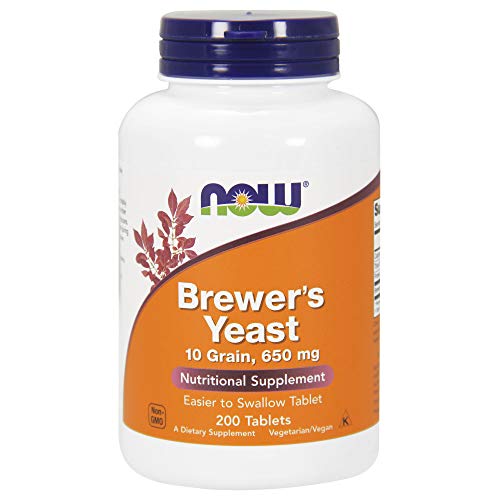


NOW Foods Brewer's Yeast Tablets - Supports Digestive Health, Rich in B Vitamins - 200 Tabs


Magnesium Stearate
Low RiskMagnesium stearate is a magnesium salt of stearic acid, commonly used as a lubricant and anti-caking agent in pharmaceuticals and cosmetic products. It helps in the manufacturing process by preventing ingredients from clumping together and ensuring even distribution in formulations.
Sustai Insights
Magnesium stearate is recognized for its functional benefits as a lubricant and anti-caking agent, enhancing product stability. It is considered low risk regarding health concerns, including carcinogenicity and allergenic potential, with no significant environmental hazards reported. Regulatory bodies, including the FDA, have not imposed major restrictions, supporting its safe use in various applications. Recommended usage levels are typically low, maintaining safety in formulations. Overall, the ingredient is assessed as low risk, with no significant adverse health or environmental impacts identified.
Egg
Low RiskEgg is the entire content of chicken eggs, commonly used as an ingredient in various products for its nutritional and functional properties.
Sustai Insights
Eggs are known for their functional benefits, including serving as a binding agent and providing protein. They are typically sustainably sourced and biodegradable. Health risks are considered low, with minimal concerns regarding carcinogenicity, allergies, or reproductive toxicity. Environmental risks are also low, with no significant pollutant potential. Regulatory bodies do not impose current restrictions on egg usage. Overall, the risk level is low, and safe usage practices should be observed, though alternatives like plant-based substitutes may be considered for those with allergies.
Hordeum Vulgare (Barley)
Low RiskHordeum vulgare, commonly known as barley, is a cereal grain that serves as a source of carbohydrates, fiber, and various nutrients. It is often used in food products, as well as in the formulation of cosmetics and personal care items, where it may act as a humectant or skin-conditioning agent.
Sustai Insights
Barley offers functional benefits such as moisture retention and skin conditioning in formulations. It is generally considered sustainable due to its low environmental impact and potential for renewable sourcing. Health risks are minimal, with low concerns for carcinogenicity, allergies, and reproductive toxicity. Environmental risks are also low, with no significant pollution or bioaccumulation noted. Regulatory bodies do not impose restrictions on barley, supporting its safe use in various applications. Overall, barley presents a low-risk profile for both health and environmental impact.
Hydroxypropylcellulose
Low RiskHydroxypropylcellulose is a propylene glycol ether derived from cellulose. It is commonly used as a thickening agent, film-forming agent, and stabilizer in various cosmetic and pharmaceutical products due to its ability to enhance texture and improve product performance.
Sustai Insights
Hydroxypropylcellulose offers functional benefits, including effective thickening and stabilizing properties that enhance product consistency. It is generally recognized as safe, with low risks for carcinogenicity, allergies, and reproductive toxicity. While it poses minimal environmental concerns, regulatory status is favorable, with no significant restrictions. Overall, the risks associated with hydroxypropylcellulose are considered low, making it a suitable ingredient in cosmetic formulations.
Stearic Acid
Low RiskStearic acid is a naturally occurring fatty acid commonly found in animal and vegetable fats. It functions primarily as an emulsifier, thickener, and stabilizer in cosmetic and personal care products, providing texture and consistency.
Sustai Insights
Stearic acid offers functional benefits such as effective emulsification and stabilization of formulations. It is derived from renewable sources and is biodegradable, contributing to its sustainability profile. Health risks are low, with minimal concerns regarding carcinogenicity, allergies, or reproductive toxicity. Environmental risks are also low, with no significant pollutants or bioaccumulation concerns noted. Regulatory bodies, including the FDA, do not impose restrictions on its use. Overall, stearic acid is assessed as low risk, and its safe usage practices are well-established, with no significant alternatives needed.
Triticum Vulgare (Wheat)
Low RiskTriticum vulgare, commonly known as wheat, is a cereal grain primarily used in food products and various cosmetic formulations. It serves as a source of carbohydrates and can also function as a binding agent, thickener, or emulsifier in formulations. Wheat is widely recognized for its role in nutrition and its diverse applications in the food industry.
Sustai Insights
Triticum vulgare offers functional benefits as a binding agent and source of carbohydrates, with sustainable attributes if sourced responsibly. Health risks are low, with minimal concerns regarding carcinogenicity, allergies, or reproductive toxicity. Environmental risks, including pollution potential, are also low. Regulatory bodies do not currently impose restrictions on its use. Overall, the risk level associated with this ingredient is low, making it a safe choice for both consumers and the environment.
Milk
Low RiskMilk is whole milk from cows, primarily used as a source of nutrition and an ingredient in various food products. It contains proteins, fats, carbohydrates, vitamins, and minerals, contributing to its functional benefits in culinary applications.
Sustai Insights
Milk provides essential nutrients and serves as a versatile ingredient in food, enhancing flavor, texture, and nutritional value. It is generally regarded as safe with low concerns for carcinogenicity, allergies, or developmental toxicity. Environmental risks are minimal, and regulatory bodies impose no significant warnings. However, individuals with lactose intolerance or dairy allergies should exercise caution. Overall, milk is assessed as low risk based on current scientific consensus.
Magnesium Stearate
Low RiskMagnesium stearate is a magnesium salt of stearic acid, commonly used as a lubricant and anti-caking agent in pharmaceuticals and cosmetic products. It helps in the manufacturing process by preventing ingredients from clumping together and ensuring even distribution in formulations.
Sustai Insights
Magnesium stearate is recognized for its functional benefits as a lubricant and anti-caking agent, enhancing product stability. It is considered low risk regarding health concerns, including carcinogenicity and allergenic potential, with no significant environmental hazards reported. Regulatory bodies, including the FDA, have not imposed major restrictions, supporting its safe use in various applications. Recommended usage levels are typically low, maintaining safety in formulations. Overall, the ingredient is assessed as low risk, with no significant adverse health or environmental impacts identified.
Egg
Low RiskEgg is the entire content of chicken eggs, commonly used as an ingredient in various products for its nutritional and functional properties.
Sustai Insights
Eggs are known for their functional benefits, including serving as a binding agent and providing protein. They are typically sustainably sourced and biodegradable. Health risks are considered low, with minimal concerns regarding carcinogenicity, allergies, or reproductive toxicity. Environmental risks are also low, with no significant pollutant potential. Regulatory bodies do not impose current restrictions on egg usage. Overall, the risk level is low, and safe usage practices should be observed, though alternatives like plant-based substitutes may be considered for those with allergies.
Hordeum Vulgare (Barley)
Low RiskHordeum vulgare, commonly known as barley, is a cereal grain that serves as a source of carbohydrates, fiber, and various nutrients. It is often used in food products, as well as in the formulation of cosmetics and personal care items, where it may act as a humectant or skin-conditioning agent.
Sustai Insights
Barley offers functional benefits such as moisture retention and skin conditioning in formulations. It is generally considered sustainable due to its low environmental impact and potential for renewable sourcing. Health risks are minimal, with low concerns for carcinogenicity, allergies, and reproductive toxicity. Environmental risks are also low, with no significant pollution or bioaccumulation noted. Regulatory bodies do not impose restrictions on barley, supporting its safe use in various applications. Overall, barley presents a low-risk profile for both health and environmental impact.
Hydroxypropylcellulose
Low RiskHydroxypropylcellulose is a propylene glycol ether derived from cellulose. It is commonly used as a thickening agent, film-forming agent, and stabilizer in various cosmetic and pharmaceutical products due to its ability to enhance texture and improve product performance.
Sustai Insights
Hydroxypropylcellulose offers functional benefits, including effective thickening and stabilizing properties that enhance product consistency. It is generally recognized as safe, with low risks for carcinogenicity, allergies, and reproductive toxicity. While it poses minimal environmental concerns, regulatory status is favorable, with no significant restrictions. Overall, the risks associated with hydroxypropylcellulose are considered low, making it a suitable ingredient in cosmetic formulations.
Stearic Acid
Low RiskStearic acid is a naturally occurring fatty acid commonly found in animal and vegetable fats. It functions primarily as an emulsifier, thickener, and stabilizer in cosmetic and personal care products, providing texture and consistency.
Sustai Insights
Stearic acid offers functional benefits such as effective emulsification and stabilization of formulations. It is derived from renewable sources and is biodegradable, contributing to its sustainability profile. Health risks are low, with minimal concerns regarding carcinogenicity, allergies, or reproductive toxicity. Environmental risks are also low, with no significant pollutants or bioaccumulation concerns noted. Regulatory bodies, including the FDA, do not impose restrictions on its use. Overall, stearic acid is assessed as low risk, and its safe usage practices are well-established, with no significant alternatives needed.
Triticum Vulgare (Wheat)
Low RiskTriticum vulgare, commonly known as wheat, is a cereal grain primarily used in food products and various cosmetic formulations. It serves as a source of carbohydrates and can also function as a binding agent, thickener, or emulsifier in formulations. Wheat is widely recognized for its role in nutrition and its diverse applications in the food industry.
Sustai Insights
Triticum vulgare offers functional benefits as a binding agent and source of carbohydrates, with sustainable attributes if sourced responsibly. Health risks are low, with minimal concerns regarding carcinogenicity, allergies, or reproductive toxicity. Environmental risks, including pollution potential, are also low. Regulatory bodies do not currently impose restrictions on its use. Overall, the risk level associated with this ingredient is low, making it a safe choice for both consumers and the environment.
Milk
Low RiskMilk is whole milk from cows, primarily used as a source of nutrition and an ingredient in various food products. It contains proteins, fats, carbohydrates, vitamins, and minerals, contributing to its functional benefits in culinary applications.
Sustai Insights
Milk provides essential nutrients and serves as a versatile ingredient in food, enhancing flavor, texture, and nutritional value. It is generally regarded as safe with low concerns for carcinogenicity, allergies, or developmental toxicity. Environmental risks are minimal, and regulatory bodies impose no significant warnings. However, individuals with lactose intolerance or dairy allergies should exercise caution. Overall, milk is assessed as low risk based on current scientific consensus.
Discover the natural benefits of NOW Foods Brewer's Yeast 650 mg, a nutritional powerhouse packed into convenient tablets. Perfect for health-conscious consumers seeking to enhance their diet with essential nutrients, this brewer's yeast supplement supports overall wellness and vitality.
- Nutritional Boost: Each tablet delivers a rich source of B vitamins, promoting energy production and metabolic health.
- Versatile Usage: Easily incorporate into your daily routine. Take 2 tablets 1-3 times daily with meals or add crushed tablets to smoothies and cereals for a nutritious upgrade.
- Digestive Support: This product encourages healthy digestion, especially when paired with ample water intake throughout the day.
- Quality Ingredients: Manufactured in a GMP facility, guaranteeing a product free from soy, milk, egg, fish, shellfish, and tree nuts, while ensuring purity and safety.
- Sustainable Choice: Sourced from barley and wheat, this brewer's yeast is a sustainable option for those looking to support their health without compromising the environment.
Subscribe & Save with Sustai
- Best Price Guarantee: Always enjoy the lowest prices on sustainable home essentials.
- No Surprises: We’ll notify you before shipping. No hidden fees, ever.
- You’re in Charge: Change, pause, or cancel your subscription anytime with ease.
- Eco-Friendly Deliveries: Our grouped shipments mean less packaging and lower emissions.
Join us on a sustainable journey. Special offers for a limited time! Prices and promotions may change.
Recommended Products
Discover the natural benefits of NOW Foods Brewer's Yeast 650 mg, a nutritional powerhouse packed into convenient tablets. Perfect for health-conscious consumers seeking to enhance their diet with essential nutrients, this brewer's yeast supplement supports overall wellness and vitality.
- Nutritional Boost: Each tablet delivers a rich source of B vitamins, promoting energy production and metabolic health.
- Versatile Usage: Easily incorporate into your daily routine. Take 2 tablets 1-3 times daily with meals or add crushed tablets to smoothies and cereals for a nutritious upgrade.
- Digestive Support: This product encourages healthy digestion, especially when paired with ample water intake throughout the day.
- Quality Ingredients: Manufactured in a GMP facility, guaranteeing a product free from soy, milk, egg, fish, shellfish, and tree nuts, while ensuring purity and safety.
- Sustainable Choice: Sourced from barley and wheat, this brewer's yeast is a sustainable option for those looking to support their health without compromising the environment.
You can have at most 2 Sustainable Steals products in your cart
Customer Reviews

Customers’ View
Customers appreciate the effectiveness and value of NOW Foods Brewer's Yeast Tablets, especially for supporting milk supply during breastfeeding. Many users report that these tablets help enhance their milk production, describing them as a beneficial addition to their wellness routines. The convenience of the easy-to-swallow tablets is frequently highlighted, with customers enjoying the ability to incorporate them into smoothies or take them on-the-go. While some note mixed feelings about the taste and potential digestive discomfort, the overall sentiment is positive, with many valuing the product's vegan-friendly and sustainably sourced ingredients. Overall, customers find this product to be a practical and effective choice that aligns well with their health-conscious and environmentally aware lifestyles.
AI-generated from the text of customer reviewsThis product is rated 4.7 of 5.0 stars.
It has received 9 reviews.