



Nature's Way Alive! Vitamin D & K2 Supplement - Bone Support, Plant-Sourced Calcium - 120 Tablets


Vitamin D3
High RiskVitamin D3, also known as cholecalciferol, is a fat-soluble vitamin important for calcium metabolism and bone health. It is synthesized in the skin upon exposure to sunlight and is also found in some foods and supplements. Its primary function is to promote the absorption of calcium and phosphorus in the body.
Sustai Insights
Vitamin D3 offers functional benefits such as supporting bone health and immune function. However, excessive intake can lead to toxicity, presenting risks like hypercalcemia. Environmental concerns include its potential for bioaccumulation. Regulatory bodies impose usage restrictions due to these risks, resulting in a high overall risk assessment. Safe usage practices should be observed, and alternatives such as vitamin D2 may be considered.
Strontium
High RiskStrontium is a chemical element primarily used in various applications, including dental products and nutritional supplements. It is known for its role in bone health and is often included for its potential benefits in enhancing bone density and strength.
Sustai Insights
Strontium is recognized for its functional benefits in promoting bone health and is sometimes sourced sustainably. However, it poses health risks, including potential irritations and has been flagged for high use restrictions. Regulatory bodies have issued warnings regarding its safety, categorizing it as high risk. Users should exercise caution, especially in sensitive applications, and consider alternatives like calcium or magnesium for bone support.
Calcium
Medium RiskCalcium is a chemical element commonly found in various compounds and is essential for biological functions, particularly in bone health and cellular processes. It is utilized in products for its role in maintaining structural integrity and as a dietary supplement.

Sustai Insights
Calcium offers functional benefits such as supporting bone health and acting as a buffering agent in formulations. While generally safe, it presents moderate allergenic potential and concerns regarding persistence and bioaccumulation in the environment. Regulatory bodies have minimal restrictions, indicating a low risk for carcinogenicity and developmental toxicity. Safe usage practices should be adhered to, especially for sensitive populations. Alternatives like plant-based calcium sources may be considered for those seeking sustainable options. Overall, the risk level associated with calcium is assessed as medium.
Citric Acid
Medium RiskCitric acid is an alpha hydroxy acid used in personal care products primarily for its role as a pH adjuster and natural preservative. It occurs naturally in citrus fruits and is commonly utilized in various formulations for its chelating properties and mild exfoliation benefits.
Sustai Insights
Citric acid offers functional benefits as an effective preservative and pH stabilizer, contributing to product longevity and stability. It is biodegradable and derived from renewable sources. Health risks are low, with minimal concerns regarding carcinogenicity, allergies, and reproductive toxicity. However, moderate use restrictions exist due to potential irritation at high concentrations. Environmental risks are limited, as citric acid is not known to accumulate in ecosystems. Regulatory agencies have no significant advisories against its use. Overall, it is assessed as a medium-risk ingredient, with safe usage practices recommended and alternatives available.
Boron
Low RiskBoron is a trace mineral found in various forms, often used in agricultural fertilizers and dietary supplements. It plays a role in cell wall structure in plants and is utilized in small quantities to support various biological functions.
Sustai Insights
Boron is recognized for its role in promoting plant health and enhancing nutrient absorption, contributing positively to agricultural practices. Health risks are minimal, with low concerns for carcinogenicity, allergies, and reproductive toxicity. Environmentally, boron is not classified as a significant pollutant, nor does it bioaccumulate. Regulatory bodies have not imposed restrictions on its use, indicating a low risk profile overall. For safety, it is advised to adhere to recommended usage levels. Alternatives like calcium or magnesium may be considered in certain applications. Thus, the overall assessment reflects a low risk.
Ascorbic Acid (Vitamin C)
Low RiskAscorbic acid (Vitamin C) is a naturally occurring antioxidant essential for various biological functions, including collagen synthesis and immune response. It is commonly used in cosmetic and food products for its preservative properties and ability to enhance skin brightness.
Sustai Insights
Ascorbic acid provides functional benefits as an effective antioxidant and preservative, contributing to skin health and product stability. It is generally recognized as safe with low health risks, including minimal concerns for carcinogenicity and allergies. Environmentally, it poses low risks, as it is biodegradable and does not bioaccumulate. Regulatory bodies like the FDA have not imposed significant restrictions on its use. Overall, the ingredient presents a low risk, with safe usage practices ensuring consumer safety, and alternatives such as natural extracts exist for those seeking different formulations.
Maltodextrin
Low RiskMaltodextrin is a saccharide material obtained from starch through partial hydrolysis. It is commonly used as a thickener, filler, or preservative in food and cosmetic products due to its ability to enhance texture and stability.
Sustai Insights
Maltodextrin serves as an effective thickener and stabilizer in various products, and it is typically derived from renewable sources. Health risks are minimal, as it poses low concerns for carcinogenicity, allergies, and developmental toxicity. Environmental impacts are also low, with no significant pollutant or bioaccumulation potential. Regulatory bodies do not impose major restrictions on its use. Overall, maltodextrin presents a low-risk profile, making it a widely accepted ingredient in food and cosmetic formulations.
Sodium
Low RiskSodium is a chemical element commonly used in various products, primarily as a preservative and stabilizing agent. It is involved in numerous reactions, contributing to the overall functionality and safety of formulations.
Sustai Insights
Sodium serves as an effective preservative, helping to extend product shelf life. It is generally recognized as safe with low concerns for carcinogenicity, allergies, and reproductive toxicity. However, excessive exposure may lead to health issues like hypertension. Environmentally, sodium is considered low risk regarding pollution and bioaccumulation. Regulatory bodies have not imposed significant restrictions on its use. Overall, the risk associated with sodium is low, making it a suitable ingredient with no major health or environmental concerns.
Vitamin K2
Low RiskVitamin K2 is a fat-soluble vitamin that plays a critical role in blood coagulation and bone metabolism. It is primarily found in fermented foods and animal products and functions as a cofactor for proteins involved in calcium regulation.
Sustai Insights
Vitamin K2 is recognized for its essential role in bone health and cardiovascular function, contributing to effective calcium utilization in the body. It is generally considered safe, with low concerns for cancer, allergies, and reproductive toxicity. Environmentally, it poses minimal risks, showing no significant pollutant potential. Currently, it is not restricted by regulatory bodies, and overall risk assessment indicates low concern. For safe usage, it is advisable to consult healthcare professionals, especially for individuals on anticoagulant therapy. Alternatives include Vitamin K1 and dietary sources rich in this vitamin.
Stearic Acid
Low RiskStearic acid is a naturally occurring fatty acid commonly found in animal and vegetable fats. It functions primarily as an emulsifier, thickener, and stabilizer in cosmetic and personal care products, providing texture and consistency.
Sustai Insights
Stearic acid offers functional benefits such as effective emulsification and stabilization of formulations. It is derived from renewable sources and is biodegradable, contributing to its sustainability profile. Health risks are low, with minimal concerns regarding carcinogenicity, allergies, or reproductive toxicity. Environmental risks are also low, with no significant pollutants or bioaccumulation concerns noted. Regulatory bodies, including the FDA, do not impose restrictions on its use. Overall, stearic acid is assessed as low risk, and its safe usage practices are well-established, with no significant alternatives needed.
Cellulose
Low RiskCellulose is a natural polysaccharide derived from plant cell walls, primarily used as a thickening agent, stabilizer, and emulsifier in cosmetic formulations. It is known for its ability to improve texture and consistency in products.
Sustai Insights
Cellulose serves as an effective thickening and stabilizing agent, enhancing product texture while being biodegradable and derived from renewable sources. Health risks are minimal, with low concerns regarding carcinogenicity, allergies, and reproductive toxicity. Environmental impacts are also low, as cellulose does not contribute significantly to pollution or bioaccumulation. Regulatory agencies have not issued restrictions on its use. Overall, cellulose presents a low risk profile, making it a suitable ingredient choice in cosmetics.
Sodium Bicarbonate
Low RiskSodium bicarbonate, commonly known as baking soda, is an inorganic compound with the formula NaHCO₃. It functions primarily as a leavening agent in baking, helping to produce carbon dioxide gas when it reacts with acids, thereby causing dough to rise. It also serves as a mild alkaline agent in various personal care products.
Sustai Insights
Sodium bicarbonate is valued for its effectiveness as a leavening agent and its role in neutralizing acidity, contributing to product stability. It is considered environmentally friendly and biodegradable. Health risks are minimal, with low concerns regarding carcinogenicity, allergies, and reproductive toxicity. It is not classified as a pollutant and poses no significant environmental hazards. Regulatory assessments indicate it is safe for use in food and cosmetic products. Overall, sodium bicarbonate carries a low risk, making it a practical choice in many applications.
Sand
Low RiskSand is loose, granular particles of worn or disintegrated rock, primarily composed of silica. It is commonly used as an abrasive, filler, or in construction and landscaping for its structural properties.
Sustai Insights
Sand offers functional benefits such as providing bulk and texture in various products, and it is generally considered to have low health risks, with minimal concerns regarding carcinogenicity, allergies, or reproductive toxicity. Environmentally, sand does not contribute significantly to pollution and is not bioaccumulative. Regulatory bodies do not impose restrictions on sand usage, maintaining its low-risk status. Safe usage practices should be followed to avoid inhalation of fine particles. Overall, sand is a low-risk ingredient with no notable negative impacts.
Magnesium
Low RiskMagnesium is a mineral commonly found in various products, serving primarily as a nutrient that supports multiple biological functions, including muscle and nerve function, and energy production. It is often included in dietary supplements and fortified foods to address magnesium deficiency.
Sustai Insights
Magnesium offers functional benefits such as aiding in muscle relaxation and energy production, making it an important nutrient. It is sustainably sourced and generally considered low risk, with minimal health concerns related to cancer, allergies, or reproductive toxicity. Environmental risks are also low, as it does not contribute significantly to pollution or bioaccumulation. Regulatory status is favorable, with no current restrictions. Safe usage practices involve adhering to recommended dietary allowances. Overall, magnesium is a low-risk ingredient with no significant adverse effects, making it a suitable choice in various applications.
Calcium
Medium RiskCalcium is a chemical element commonly found in various compounds and is essential for biological functions, particularly in bone health and cellular processes. It is utilized in products for its role in maintaining structural integrity and as a dietary supplement.
Sustai Insights
Calcium offers functional benefits such as supporting bone health and acting as a buffering agent in formulations. While generally safe, it presents moderate allergenic potential and concerns regarding persistence and bioaccumulation in the environment. Regulatory bodies have minimal restrictions, indicating a low risk for carcinogenicity and developmental toxicity. Safe usage practices should be adhered to, especially for sensitive populations. Alternatives like plant-based calcium sources may be considered for those seeking sustainable options. Overall, the risk level associated with calcium is assessed as medium.
Boron
Low RiskBoron is a trace mineral found in various forms, often used in agricultural fertilizers and dietary supplements. It plays a role in cell wall structure in plants and is utilized in small quantities to support various biological functions.
Sustai Insights
Boron is recognized for its role in promoting plant health and enhancing nutrient absorption, contributing positively to agricultural practices. Health risks are minimal, with low concerns for carcinogenicity, allergies, and reproductive toxicity. Environmentally, boron is not classified as a significant pollutant, nor does it bioaccumulate. Regulatory bodies have not imposed restrictions on its use, indicating a low risk profile overall. For safety, it is advised to adhere to recommended usage levels. Alternatives like calcium or magnesium may be considered in certain applications. Thus, the overall assessment reflects a low risk.
Ascorbic Acid (Vitamin C)
Low RiskAscorbic acid (Vitamin C) is a naturally occurring antioxidant essential for various biological functions, including collagen synthesis and immune response. It is commonly used in cosmetic and food products for its preservative properties and ability to enhance skin brightness.
Sustai Insights
Ascorbic acid provides functional benefits as an effective antioxidant and preservative, contributing to skin health and product stability. It is generally recognized as safe with low health risks, including minimal concerns for carcinogenicity and allergies. Environmentally, it poses low risks, as it is biodegradable and does not bioaccumulate. Regulatory bodies like the FDA have not imposed significant restrictions on its use. Overall, the ingredient presents a low risk, with safe usage practices ensuring consumer safety, and alternatives such as natural extracts exist for those seeking different formulations.
Citric Acid
Medium RiskCitric acid is an alpha hydroxy acid used in personal care products primarily for its role as a pH adjuster and natural preservative. It occurs naturally in citrus fruits and is commonly utilized in various formulations for its chelating properties and mild exfoliation benefits.
Sustai Insights
Citric acid offers functional benefits as an effective preservative and pH stabilizer, contributing to product longevity and stability. It is biodegradable and derived from renewable sources. Health risks are low, with minimal concerns regarding carcinogenicity, allergies, and reproductive toxicity. However, moderate use restrictions exist due to potential irritation at high concentrations. Environmental risks are limited, as citric acid is not known to accumulate in ecosystems. Regulatory agencies have no significant advisories against its use. Overall, it is assessed as a medium-risk ingredient, with safe usage practices recommended and alternatives available.
Maltodextrin
Low RiskMaltodextrin is a saccharide material obtained from starch through partial hydrolysis. It is commonly used as a thickener, filler, or preservative in food and cosmetic products due to its ability to enhance texture and stability.
Sustai Insights
Maltodextrin serves as an effective thickener and stabilizer in various products, and it is typically derived from renewable sources. Health risks are minimal, as it poses low concerns for carcinogenicity, allergies, and developmental toxicity. Environmental impacts are also low, with no significant pollutant or bioaccumulation potential. Regulatory bodies do not impose major restrictions on its use. Overall, maltodextrin presents a low-risk profile, making it a widely accepted ingredient in food and cosmetic formulations.
Sodium
Low RiskSodium is a chemical element commonly used in various products, primarily as a preservative and stabilizing agent. It is involved in numerous reactions, contributing to the overall functionality and safety of formulations.
Sustai Insights
Sodium serves as an effective preservative, helping to extend product shelf life. It is generally recognized as safe with low concerns for carcinogenicity, allergies, and reproductive toxicity. However, excessive exposure may lead to health issues like hypertension. Environmentally, sodium is considered low risk regarding pollution and bioaccumulation. Regulatory bodies have not imposed significant restrictions on its use. Overall, the risk associated with sodium is low, making it a suitable ingredient with no major health or environmental concerns.
Vitamin K2
Low RiskVitamin K2 is a fat-soluble vitamin that plays a critical role in blood coagulation and bone metabolism. It is primarily found in fermented foods and animal products and functions as a cofactor for proteins involved in calcium regulation.
Sustai Insights
Vitamin K2 is recognized for its essential role in bone health and cardiovascular function, contributing to effective calcium utilization in the body. It is generally considered safe, with low concerns for cancer, allergies, and reproductive toxicity. Environmentally, it poses minimal risks, showing no significant pollutant potential. Currently, it is not restricted by regulatory bodies, and overall risk assessment indicates low concern. For safe usage, it is advisable to consult healthcare professionals, especially for individuals on anticoagulant therapy. Alternatives include Vitamin K1 and dietary sources rich in this vitamin.
Stearic Acid
Low RiskStearic acid is a naturally occurring fatty acid commonly found in animal and vegetable fats. It functions primarily as an emulsifier, thickener, and stabilizer in cosmetic and personal care products, providing texture and consistency.
Sustai Insights
Stearic acid offers functional benefits such as effective emulsification and stabilization of formulations. It is derived from renewable sources and is biodegradable, contributing to its sustainability profile. Health risks are low, with minimal concerns regarding carcinogenicity, allergies, or reproductive toxicity. Environmental risks are also low, with no significant pollutants or bioaccumulation concerns noted. Regulatory bodies, including the FDA, do not impose restrictions on its use. Overall, stearic acid is assessed as low risk, and its safe usage practices are well-established, with no significant alternatives needed.
Vitamin D3
High RiskVitamin D3, also known as cholecalciferol, is a fat-soluble vitamin important for calcium metabolism and bone health. It is synthesized in the skin upon exposure to sunlight and is also found in some foods and supplements. Its primary function is to promote the absorption of calcium and phosphorus in the body.
Sustai Insights
Vitamin D3 offers functional benefits such as supporting bone health and immune function. However, excessive intake can lead to toxicity, presenting risks like hypercalcemia. Environmental concerns include its potential for bioaccumulation. Regulatory bodies impose usage restrictions due to these risks, resulting in a high overall risk assessment. Safe usage practices should be observed, and alternatives such as vitamin D2 may be considered.
Cellulose
Low RiskCellulose is a natural polysaccharide derived from plant cell walls, primarily used as a thickening agent, stabilizer, and emulsifier in cosmetic formulations. It is known for its ability to improve texture and consistency in products.
Sustai Insights
Cellulose serves as an effective thickening and stabilizing agent, enhancing product texture while being biodegradable and derived from renewable sources. Health risks are minimal, with low concerns regarding carcinogenicity, allergies, and reproductive toxicity. Environmental impacts are also low, as cellulose does not contribute significantly to pollution or bioaccumulation. Regulatory agencies have not issued restrictions on its use. Overall, cellulose presents a low risk profile, making it a suitable ingredient choice in cosmetics.
Sodium Bicarbonate
Low RiskSodium bicarbonate, commonly known as baking soda, is an inorganic compound with the formula NaHCO₃. It functions primarily as a leavening agent in baking, helping to produce carbon dioxide gas when it reacts with acids, thereby causing dough to rise. It also serves as a mild alkaline agent in various personal care products.
Sustai Insights
Sodium bicarbonate is valued for its effectiveness as a leavening agent and its role in neutralizing acidity, contributing to product stability. It is considered environmentally friendly and biodegradable. Health risks are minimal, with low concerns regarding carcinogenicity, allergies, and reproductive toxicity. It is not classified as a pollutant and poses no significant environmental hazards. Regulatory assessments indicate it is safe for use in food and cosmetic products. Overall, sodium bicarbonate carries a low risk, making it a practical choice in many applications.
Strontium
High RiskStrontium is a chemical element primarily used in various applications, including dental products and nutritional supplements. It is known for its role in bone health and is often included for its potential benefits in enhancing bone density and strength.
Sustai Insights
Strontium is recognized for its functional benefits in promoting bone health and is sometimes sourced sustainably. However, it poses health risks, including potential irritations and has been flagged for high use restrictions. Regulatory bodies have issued warnings regarding its safety, categorizing it as high risk. Users should exercise caution, especially in sensitive applications, and consider alternatives like calcium or magnesium for bone support.
Sand
Low RiskSand is loose, granular particles of worn or disintegrated rock, primarily composed of silica. It is commonly used as an abrasive, filler, or in construction and landscaping for its structural properties.
Sustai Insights
Sand offers functional benefits such as providing bulk and texture in various products, and it is generally considered to have low health risks, with minimal concerns regarding carcinogenicity, allergies, or reproductive toxicity. Environmentally, sand does not contribute significantly to pollution and is not bioaccumulative. Regulatory bodies do not impose restrictions on sand usage, maintaining its low-risk status. Safe usage practices should be followed to avoid inhalation of fine particles. Overall, sand is a low-risk ingredient with no notable negative impacts.
Magnesium
Low RiskMagnesium is a mineral commonly found in various products, serving primarily as a nutrient that supports multiple biological functions, including muscle and nerve function, and energy production. It is often included in dietary supplements and fortified foods to address magnesium deficiency.
Sustai Insights
Magnesium offers functional benefits such as aiding in muscle relaxation and energy production, making it an important nutrient. It is sustainably sourced and generally considered low risk, with minimal health concerns related to cancer, allergies, or reproductive toxicity. Environmental risks are also low, as it does not contribute significantly to pollution or bioaccumulation. Regulatory status is favorable, with no current restrictions. Safe usage practices involve adhering to recommended dietary allowances. Overall, magnesium is a low-risk ingredient with no significant adverse effects, making it a suitable choice in various applications.
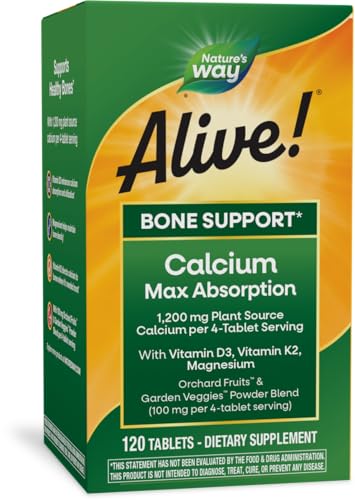
Discover Nature's Way Alive! Calcium Max Absorption, a premium Vitamin D & K2 supplement designed to support healthy bones. Packed with 1,200 mg of plant-sourced Aquamin calcium per serving, this vegetarian formula ensures optimal bone health through a blend of essential nutrients.
- Bone Health Support: Provides 1,200 mg of calcium per 4-tablet serving, crucial for maintaining strong bones and overall skeletal health.
- Plant-Sourced Calcium: Utilizes Aquamin calcium derived from marine algae, offering a sustainable and natural alternative to traditional calcium sources.
- Essential Nutrients: Fortified with Vitamin D3, Vitamin K2, and magnesium to enhance calcium absorption and support bone strength.
- Easy to Use: Simply take 4 tablets daily with food for maximum effectiveness, ensuring a consistent routine for optimal results.
- Quality Ingredients: Free from wheat, dairy, gelatin, and artificial colors, aligning with health-conscious values while promoting well-being.
With over 50 years of commitment to natural wellness, Nature's Way empowers consumers to achieve their health goals sustainably.
Subscribe & Save with Sustai
- Best Price Guarantee: Always enjoy the lowest prices on sustainable home essentials.
- No Surprises: We’ll notify you before shipping. No hidden fees, ever.
- You’re in Charge: Change, pause, or cancel your subscription anytime with ease.
- Eco-Friendly Deliveries: Our grouped shipments mean less packaging and lower emissions.
Join us on a sustainable journey. Special offers for a limited time! Prices and promotions may change.
Recommended Products

Discover Nature's Way Alive! Calcium Max Absorption, a premium Vitamin D & K2 supplement designed to support healthy bones. Packed with 1,200 mg of plant-sourced Aquamin calcium per serving, this vegetarian formula ensures optimal bone health through a blend of essential nutrients.
- Bone Health Support: Provides 1,200 mg of calcium per 4-tablet serving, crucial for maintaining strong bones and overall skeletal health.
- Plant-Sourced Calcium: Utilizes Aquamin calcium derived from marine algae, offering a sustainable and natural alternative to traditional calcium sources.
- Essential Nutrients: Fortified with Vitamin D3, Vitamin K2, and magnesium to enhance calcium absorption and support bone strength.
- Easy to Use: Simply take 4 tablets daily with food for maximum effectiveness, ensuring a consistent routine for optimal results.
- Quality Ingredients: Free from wheat, dairy, gelatin, and artificial colors, aligning with health-conscious values while promoting well-being.
With over 50 years of commitment to natural wellness, Nature's Way empowers consumers to achieve their health goals sustainably.
You can have at most 2 Sustainable Steals products in your cart
Customer Reviews

Customers’ View
Customers generally express satisfaction with the Nature's Way Calcium Supplement, noting its effectiveness in supporting bone health. Many users appreciate the inclusion of vitamin D3 and K2, which enhance calcium absorption, with one reviewer emphasizing it as a 'highly effective calcium supplement.' The product's plant-sourced calcium from Aquamin is particularly valued by environmentally conscious consumers. Customers also highlight the supplement's tolerability, with reports of minimal gastrointestinal discomfort compared to other calcium products. Additionally, the vegetarian-friendly formulation appeals to health-conscious individuals. Overall, the product is seen as a reliable option for boosting calcium intake while aligning with a sustainable lifestyle.
AI-generated from the text of customer reviewsThis product is rated 4.6 of 5.0 stars.
It has received 8 reviews.