

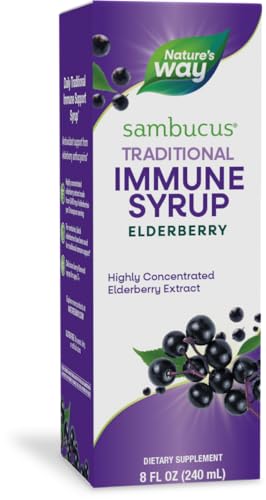


Nature’s Way Sambucus Elderberry Syrup - Immune Support, Antioxidant-Rich, Berry Flavor - 8 Fl Oz


Malic Acid
High RiskMalic acid is a naturally occurring organic acid found in various fruits, particularly apples. It plays a role in the metabolic processes of living organisms and is commonly used as a flavoring agent, pH regulator, and preservative in food and cosmetic products.
Sustai Insights
Malic acid serves as an effective pH adjuster and flavor enhancer, contributing to the sensory profile of products. However, it may cause skin and eye irritation and has high use restrictions, limiting its application. Regulatory bodies have noted these concerns, leading to restrictions on its use in certain products. Overall, the ingredient is considered high risk due to these factors, necessitating careful usage and consideration of safer alternatives.
Potassium Sorbate
Medium RiskPotassium sorbate is a potassium salt of sorbic acid, primarily used as a preservative in food and cosmetic products. It inhibits the growth of molds, yeast, and some bacteria, extending the shelf life of products. It is commonly found in various formulations due to its effectiveness and low toxicity.

Sustai Insights
Potassium sorbate serves as an effective preservative, preventing microbial growth in food and cosmetic products, which is vital for safety and longevity. Although it has a low risk of carcinogenicity and developmental toxicity, there is a moderate concern regarding allergies and immunotoxicity. Environmentally, it poses minimal risks as it is not significantly bioaccumulative. Regulatory agencies have verified its use, although some products may face restrictions. Overall, it is assessed as a medium risk ingredient, with safe usage practices recommended, and alternatives such as natural preservatives could be considered.
Vegetarian Glycerin
Low RiskVegetarian glycerin, also known as glycerol, is a colorless, odorless, and viscous liquid derived from plant sources. It is primarily used as a humectant, solvent, and emollient in various personal care products, helping to retain moisture and improve texture.
Sustai Insights
Vegetarian glycerin offers functional benefits as an effective humectant, promoting hydration and skin smoothness. It is biodegradable and typically sustainably sourced. Health risks associated with glycerin are low, with no significant concerns for carcinogenicity, allergens, or reproductive toxicity. Environmental risks are minimal, and it is not subject to major regulatory warnings. Overall, the risk level for this ingredient is low, making it a safe choice in formulations. Safe usage practices include ensuring proper concentrations in products, and alternatives such as propylene glycol exist but may have differing properties.
Fructose
Low RiskFructose is a simple sugar naturally found in fruits and honey. It is a type of carbohydrate that is commonly used as a sweetener in food products. Fructose can be absorbed directly into the bloodstream and is metabolized primarily in the liver.
Sustai Insights
Fructose serves as a sweetening agent and is valued for its high sweetness intensity. It is generally recognized as safe, with low concerns regarding carcinogenicity, allergies, or developmental toxicity. However, excessive consumption may lead to metabolic issues. Environmentally, fructose is biodegradable and poses low pollution risk. Regulatory bodies like the FDA have no significant restrictions on its use, indicating an overall low risk associated with typical consumption levels. Safe usage involves moderation in diet, and while alternatives like stevia exist, fructose remains widely accepted.
Potassium Sorbate
Medium RiskPotassium sorbate is a potassium salt of sorbic acid, primarily used as a preservative in food and cosmetic products. It inhibits the growth of molds, yeast, and some bacteria, extending the shelf life of products. It is commonly found in various formulations due to its effectiveness and low toxicity.
Sustai Insights
Potassium sorbate serves as an effective preservative, preventing microbial growth in food and cosmetic products, which is vital for safety and longevity. Although it has a low risk of carcinogenicity and developmental toxicity, there is a moderate concern regarding allergies and immunotoxicity. Environmentally, it poses minimal risks as it is not significantly bioaccumulative. Regulatory agencies have verified its use, although some products may face restrictions. Overall, it is assessed as a medium risk ingredient, with safe usage practices recommended, and alternatives such as natural preservatives could be considered.
Vegetarian Glycerin
Low RiskVegetarian glycerin, also known as glycerol, is a colorless, odorless, and viscous liquid derived from plant sources. It is primarily used as a humectant, solvent, and emollient in various personal care products, helping to retain moisture and improve texture.
Sustai Insights
Vegetarian glycerin offers functional benefits as an effective humectant, promoting hydration and skin smoothness. It is biodegradable and typically sustainably sourced. Health risks associated with glycerin are low, with no significant concerns for carcinogenicity, allergens, or reproductive toxicity. Environmental risks are minimal, and it is not subject to major regulatory warnings. Overall, the risk level for this ingredient is low, making it a safe choice in formulations. Safe usage practices include ensuring proper concentrations in products, and alternatives such as propylene glycol exist but may have differing properties.
Fructose
Low RiskFructose is a simple sugar naturally found in fruits and honey. It is a type of carbohydrate that is commonly used as a sweetener in food products. Fructose can be absorbed directly into the bloodstream and is metabolized primarily in the liver.
Sustai Insights
Fructose serves as a sweetening agent and is valued for its high sweetness intensity. It is generally recognized as safe, with low concerns regarding carcinogenicity, allergies, or developmental toxicity. However, excessive consumption may lead to metabolic issues. Environmentally, fructose is biodegradable and poses low pollution risk. Regulatory bodies like the FDA have no significant restrictions on its use, indicating an overall low risk associated with typical consumption levels. Safe usage involves moderation in diet, and while alternatives like stevia exist, fructose remains widely accepted.
Malic Acid
High RiskMalic acid is a naturally occurring organic acid found in various fruits, particularly apples. It plays a role in the metabolic processes of living organisms and is commonly used as a flavoring agent, pH regulator, and preservative in food and cosmetic products.
Sustai Insights
Malic acid serves as an effective pH adjuster and flavor enhancer, contributing to the sensory profile of products. However, it may cause skin and eye irritation and has high use restrictions, limiting its application. Regulatory bodies have noted these concerns, leading to restrictions on its use in certain products. Overall, the ingredient is considered high risk due to these factors, necessitating careful usage and consideration of safer alternatives.
Discover the power of Nature's Way Sambucus Elderberry Traditional Immune Syrup, a delicious berry-flavored herbal supplement designed to support your immune health. With a potent concentration of 6400 mg of elderberries per 2 teaspoons, this syrup offers a natural way to maintain wellness year-round without gluten, dairy, or artificial colors.
- Immune Support: Provides traditional immune support, harnessing the antioxidant properties of elderberries to help you stay healthy throughout the year.
- Highly Concentrated: Each serving delivers high-quality elderberry extract standardized to anthocyanins, maximizing health benefits in a convenient dosage.
- Easy to Use: Just shake, measure, and enjoy! Mix with water or juice for a refreshing immune boost that fits seamlessly into any routine.
- Vegan and Gluten-Free: Crafted for a diverse range of dietary needs, free from dairy, peanuts, and artificial ingredients, making it a guilt-free choice.
- Trusted Brand: Backed by over 50 years of expertise, Nature's Way emphasizes quality and sustainability, ensuring a product you can trust for your family's health.
Subscribe & Save with Sustai
- Best Price Guarantee: Always enjoy the lowest prices on sustainable home essentials.
- No Surprises: We’ll notify you before shipping. No hidden fees, ever.
- You’re in Charge: Change, pause, or cancel your subscription anytime with ease.
- Eco-Friendly Deliveries: Our grouped shipments mean less packaging and lower emissions.
Join us on a sustainable journey. Special offers for a limited time! Prices and promotions may change.
Recommended Products
Discover the power of Nature's Way Sambucus Elderberry Traditional Immune Syrup, a delicious berry-flavored herbal supplement designed to support your immune health. With a potent concentration of 6400 mg of elderberries per 2 teaspoons, this syrup offers a natural way to maintain wellness year-round without gluten, dairy, or artificial colors.
- Immune Support: Provides traditional immune support, harnessing the antioxidant properties of elderberries to help you stay healthy throughout the year.
- Highly Concentrated: Each serving delivers high-quality elderberry extract standardized to anthocyanins, maximizing health benefits in a convenient dosage.
- Easy to Use: Just shake, measure, and enjoy! Mix with water or juice for a refreshing immune boost that fits seamlessly into any routine.
- Vegan and Gluten-Free: Crafted for a diverse range of dietary needs, free from dairy, peanuts, and artificial ingredients, making it a guilt-free choice.
- Trusted Brand: Backed by over 50 years of expertise, Nature's Way emphasizes quality and sustainability, ensuring a product you can trust for your family's health.
You can have at most 2 Sustainable Steals products in your cart
Customer Reviews
Customers’ View
Customers appreciate the effectiveness and taste of the Elderberry Syrup, highlighting its role as a valuable immune booster. Many users report positive experiences, noting that it helps them ward off colds and flu, with one customer stating, "Since I started using this product, we have been more successful at nipping respiratory infections before they settle in." The syrup is praised for its delicious berry flavor, making it easy for both adults and children to consume daily. Furthermore, its gluten-free and vegan-friendly formulation aligns with health-conscious values. While some customers express concerns about its sugar content, the overall sentiment remains positive, with many finding it a reliable addition to their wellness routine. Overall, customers find this product both effective and supportive of their health-focused lifestyle.
AI-generated from the text of customer reviewsThis product is rated 4.7 of 5.0 stars.
It has received 13 reviews.