
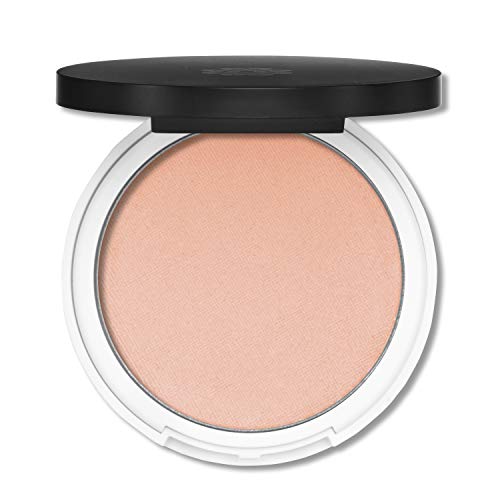
Lily Lolo Illuminator - Radiant Rose Glow, Natural Ingredients - 10g


Ultramarines
High RiskUltramarine (CI 77007) is a mineral-based colorant primarily used in cosmetics and personal care products. It is known for providing vibrant blue hues and is derived from natural sources, making it popular in a variety of formulations.
Sustai Insights
Ultramarine offers functional benefits as a colorant enhancing product aesthetics. Although it is deemed low risk for cancer, allergies, and reproductive toxicity, it has high use restrictions due to regulatory concerns. Potential environmental risks include being a pollutant, while its overall risk level is assessed as high. Safe usage practices should be followed, and alternatives like plant-based colorants may be considered for more sustainable options.
Titanium Dioxide
Medium RiskTitanium dioxide is an inorganic compound used primarily as a pigment due to its brightness and high refractive index. It is commonly found in products such as paints, coatings, plastics, and cosmetics, providing color and opacity.

Sustai Insights
Titanium dioxide serves effectively as a UV filter and colorant, enhancing product stability and performance. However, it has been classified as a moderate concern for potential carcinogenicity and carries low risks for allergies and reproductive toxicity. Environmental risks include its pollutant potential, though it is not known to bioaccumulate. Regulatory bodies have issued specific restrictions regarding its use, leading to an overall medium risk assessment. Safe usage practices should be observed, with consideration for alternatives such as zinc oxide for a more sustainable option.
Ricinus Communis (Castor) Seed Oil
Medium RiskCastor oil is extracted from the seeds of Ricinus communis and is commonly used in cosmetic and personal care products for its moisturizing and emollient properties. It is known for its ability to enhance skin absorption and provide a protective barrier.
Sustai Insights
Castor oil offers functional benefits as a moisturizer and emollient, enhancing skin absorption and providing a barrier against moisture loss. It is sustainably sourced and biodegradable. However, potential health risks include low levels of irritation and moderate concerns regarding developmental and reproductive toxicity. Environmental risks are low, with no significant pollutant or bioaccumulation concerns reported. Regulatory status shows no current restrictions. Overall, the risk level is assessed as medium, with recommendations for safe usage practices, and potential alternatives include other plant-based oils.
Sodium Acetylhyaluronate
Low RiskSodium acetylhyaluronate is a sodium salt derivative of hyaluronic acid, commonly used in cosmetic formulations for its hydrating properties. It functions primarily as a humectant, attracting moisture to the skin and helping to maintain hydration levels in various personal care products.
Sustai Insights
Sodium acetylhyaluronate is recognized for its effective moisture-retaining properties, enhancing skin hydration and improving product texture. It has low health risks, with negligible concerns regarding carcinogenicity, allergies, or reproductive toxicity. Environmentally, it poses minimal risks and is not associated with significant pollution or bioaccumulation. Regulatory assessments indicate no current restrictions. Overall, it is considered low risk, making it a favorable ingredient in cosmetic formulations.
Manganese Violet
Low RiskManganese violet is an inorganic salt formed from ammonium manganese phosphate, primarily used as a pigment in cosmetics and personal care products. It imparts a vivid violet color and is valued for its stability and opacity in formulations.
Sustai Insights
Manganese violet serves effectively as a colorant, contributing to aesthetic appeal in various products. It is considered to have low health risks, including negligible concerns regarding carcinogenicity, allergies, and reproductive toxicity. Environmentally, it poses low risks, being neither bioaccumulative nor a significant pollutant. Regulatory bodies, including the FDA, have imposed certain restrictions on its use but deem it generally safe when used appropriately. Overall, it presents a low risk profile, making it a suitable choice for formulation in personal care applications.
Tocopherol, D Alpha
Low RiskTocopherol, specifically d-alpha tocopherol, is a naturally occurring form of Vitamin E. It is commonly used in cosmetic and personal care products primarily for its antioxidant properties, helping to protect formulations from oxidation and extend shelf life.
Sustai Insights
D-alpha tocopherol provides effective antioxidant benefits, contributing to product stability. It is sustainably sourced and generally regarded as safe, with low concerns regarding carcinogenicity, allergies, and reproductive toxicity. However, there are minor concerns about endocrine disruption. Regulatory bodies have not imposed significant restrictions, indicating low overall risk. Recommended usage practices include adhering to established safe concentration thresholds. Alternatives, such as other forms of Vitamin E or plant-based antioxidants, may also be considered.
Euphorbia Cerifera (Candelilla) Wax
Low RiskCandelilla wax is extracted from Euphorbia cerifera, a shrub native to northern Mexico and the southwestern United States. It is primarily used as a thickening agent, emollient, and film-forming agent in cosmetic and personal care products.
Sustai Insights
Candelilla wax serves effectively as a natural thickener and emollient, contributing to product texture and moisture retention. It is biodegradable and sourced sustainably, supporting eco-friendly formulations. Health risks are low, with minimal concerns about sensitization. Environmental hazards are also low, with no significant pollutant or bioaccumulation potential noted. Regulatory bodies impose few restrictions, indicating overall low risk. Safe usage practices should be followed, and alternatives like carnauba wax may be considered for those seeking different plant-based options.
Argania Spinosa (Argan) Kernel Oil
Low RiskArgania spinosa (argan) kernel oil is a fixed oil extracted from the kernels of the argan tree, native to Morocco. It is commonly used in cosmetic formulations for its moisturizing properties, serving as an emollient and skin conditioner.
Sustai Insights
Argania spinosa kernel oil offers functional benefits such as effective hydration and nourishment for the skin and hair. It is sustainably sourced and biodegradable, contributing positively to environmental considerations. Health risks are low, with minimal concerns regarding carcinogenicity, allergies, or reproductive toxicity. There are no current regulatory restrictions on its use. Overall, it poses low risk, making it a suitable ingredient in cosmetic products. Safe usage practices should be maintained, and alternatives like jojoba oil may also be considered for similar benefits.
Punica Granatum (Pomegranate) Seed Oil
Low RiskPunica granatum (pomegranate) seed oil is derived from the seeds of the pomegranate fruit. It serves primarily as a moisturizer and emollient in cosmetic formulations, contributing to skin hydration and texture improvement. The oil is rich in fatty acids and antioxidants, enhancing its functional properties in personal care products.
Sustai Insights
Punica granatum (pomegranate) seed oil offers functional benefits as a moisturizer and potential antioxidant. It is generally considered low risk for cancer, allergies, and reproductive toxicity, while contamination concerns are noted as low to moderate. Regulatory assessments do not impose significant restrictions on its use. Environmental impacts are minimal, and it is not classified as bioaccumulative. Safe usage practices are recommended, and alternatives may include other plant-based oils. Overall, the ingredient is assessed as low risk based on current scientific consensus.
Octyldodecyl Ricinoleate
Low RiskOctyldodecyl ricinoleate is an ester of octyldodecanol and ricinoleic acid, primarily used as an emollient in cosmetic formulations. It functions to improve the texture and spreadability of products, providing a smooth feel upon application.
Sustai Insights
Octyldodecyl ricinoleate offers effective emollient properties that enhance product texture and skin feel. It is derived from ricinoleic acid, which is often sustainably sourced. Health risks are low, with no significant concerns regarding carcinogenicity, allergies, or reproductive toxicity. Environmental impacts are minimal, and regulatory status is compliant with safety standards. Overall, it is assessed as low risk, making it a suitable ingredient for cosmetic use.
Mica
Low RiskMica is a type of highly brittle silicate mineral commonly used in cosmetics and personal care products for its reflective properties and texture. It serves primarily as a colorant and opacifying agent, enhancing the aesthetic appeal of formulations.
Sustai Insights
Mica provides functional benefits such as adding shimmer and improving the texture of cosmetics. It is generally considered low risk concerning health concerns like carcinogenicity and allergenic potential. However, there are risks associated with its persistence and potential for bioaccumulation in the environment. Regulatory bodies have noted some restrictions on mica sourcing due to ethical concerns surrounding mining practices. Overall, while mica has low health risks, its environmental impact necessitates careful sourcing and consideration of alternatives like synthetic colorants or other natural minerals.
Polyglyceryl 2 Isostearate/Dimer Dilinoleate Copolymer
Low RiskPolyglyceryl-2 isostearate/dimer dilinoleate is an emulsifier commonly used in cosmetic formulations. It helps to stabilize mixtures of oil and water, enhancing the texture and application of products. This ingredient functions effectively in creams, lotions, and other personal care items.
Sustai Insights
Polyglyceryl-2 isostearate/dimer dilinoleate offers functional benefits as an effective emulsifier, contributing to improved product stability and texture. It is considered low risk for health concerns such as carcinogenicity, allergies, and reproductive toxicity. Environmentally, it shows low potential for pollution and bioaccumulation. Regulatory bodies do not impose significant restrictions on its use. Overall, this ingredient poses low risk based on scientific consensus. Safe usage practices are recommended, though alternatives may include other natural emulsifiers for those seeking more sustainable options.
Helianthus Annuus (Sunflower) Seed
Low RiskHelianthus annuus (sunflower) seed is derived from the seeds of the sunflower plant and is commonly used in various cosmetic and personal care products. It serves primarily as an emollient and skin conditioning agent, providing moisture and enhancing the texture of formulations.
Sustai Insights
Helianthus annuus (sunflower) seed offers functional benefits, including skin conditioning and moisturizing properties, while being sustainably sourced and biodegradable. Health risks are minimal, with low concerns for carcinogenicity, allergies, and reproductive toxicity. Environmentally, it presents low risks of pollution or bioaccumulation. Regulatory assessments indicate no current restrictions. Overall, it is considered a low-risk ingredient, and safe usage practices should be maintained. Alternative ingredients may include other plant-based oils, but the sunflower seed oil remains a viable option.
Glyceryl Caprylate
Low RiskGlyceryl caprylate is a monoester of glycerin and caprylic acid, commonly used in cosmetics and personal care products as an emulsifier and skin-conditioning agent. It helps stabilize formulations and improve the texture and feel on the skin.
Sustai Insights
Glyceryl caprylate offers functional benefits as an effective emulsifier and skin-conditioning agent, enhancing product performance. It is biodegradable and considered sustainably sourced. Health risks are low, with minimal concerns regarding carcinogenicity, allergenic potential, and endocrine disruption. Environmental risks are also low, with no significant pollutant or bioaccumulation potential identified. Regulatory status is favorable, with no major restrictions. Overall, glyceryl caprylate maintains a low risk profile, making it a suitable ingredient for use in cosmetic formulations.
Eryngium Maritimum Callus Culture Filtrate
Low RiskEryngium maritimum callus culture filtrate is derived from the callus tissue of the sea holly plant, known for its potential use in cosmetic formulations. It serves primarily as a botanical extract aimed at enhancing product efficacy and providing skin benefits.
Sustai Insights
Eryngium maritimum callus culture filtrate offers functional benefits as a botanical extract, potentially enhancing skin hydration and providing antioxidant properties. Regulatory assessments indicate low health risks, including minimal concerns regarding carcinogenicity, allergies, or reproductive toxicity. Environmental impacts appear limited, with no significant concerns about pollution or bioaccumulation. Overall, this ingredient presents a low risk, recommended for safe use in cosmetic applications, with no major restrictions noted and few alternative ingredients required.
Magnetite (Fe3 O4)
Low RiskMagnetite (Fe3O4) is a naturally occurring iron oxide commonly found in the environment. It is often utilized in various applications, including its role as a pigment, in magnetic materials, and in environmental remediation processes due to its magnetic properties.
Sustai Insights
Magnetite has functional benefits such as serving as an effective magnetic material and playing a role in environmental cleanup. Health risks are low, with minimal concerns regarding carcinogenicity, allergenic potential, or reproductive toxicity. Environmentally, it poses low pollution risk and does not bioaccumulate. Regulatory bodies impose no significant restrictions, indicating a low overall risk level. Safe usage practices should be followed, and alternatives may include other magnetic materials, but magnetite remains a viable option.
Sodium Acetylhyaluronate
Low RiskSodium acetylhyaluronate is a sodium salt derivative of hyaluronic acid, commonly used in cosmetic formulations for its hydrating properties. It functions primarily as a humectant, attracting moisture to the skin and helping to maintain hydration levels in various personal care products.
Sustai Insights
Sodium acetylhyaluronate is recognized for its effective moisture-retaining properties, enhancing skin hydration and improving product texture. It has low health risks, with negligible concerns regarding carcinogenicity, allergies, or reproductive toxicity. Environmentally, it poses minimal risks and is not associated with significant pollution or bioaccumulation. Regulatory assessments indicate no current restrictions. Overall, it is considered low risk, making it a favorable ingredient in cosmetic formulations.
Manganese Violet
Low RiskManganese violet is an inorganic salt formed from ammonium manganese phosphate, primarily used as a pigment in cosmetics and personal care products. It imparts a vivid violet color and is valued for its stability and opacity in formulations.
Sustai Insights
Manganese violet serves effectively as a colorant, contributing to aesthetic appeal in various products. It is considered to have low health risks, including negligible concerns regarding carcinogenicity, allergies, and reproductive toxicity. Environmentally, it poses low risks, being neither bioaccumulative nor a significant pollutant. Regulatory bodies, including the FDA, have imposed certain restrictions on its use but deem it generally safe when used appropriately. Overall, it presents a low risk profile, making it a suitable choice for formulation in personal care applications.
Tocopherol, D Alpha
Low RiskTocopherol, specifically d-alpha tocopherol, is a naturally occurring form of Vitamin E. It is commonly used in cosmetic and personal care products primarily for its antioxidant properties, helping to protect formulations from oxidation and extend shelf life.
Sustai Insights
D-alpha tocopherol provides effective antioxidant benefits, contributing to product stability. It is sustainably sourced and generally regarded as safe, with low concerns regarding carcinogenicity, allergies, and reproductive toxicity. However, there are minor concerns about endocrine disruption. Regulatory bodies have not imposed significant restrictions, indicating low overall risk. Recommended usage practices include adhering to established safe concentration thresholds. Alternatives, such as other forms of Vitamin E or plant-based antioxidants, may also be considered.
Titanium Dioxide
Medium RiskTitanium dioxide is an inorganic compound used primarily as a pigment due to its brightness and high refractive index. It is commonly found in products such as paints, coatings, plastics, and cosmetics, providing color and opacity.
Sustai Insights
Titanium dioxide serves effectively as a UV filter and colorant, enhancing product stability and performance. However, it has been classified as a moderate concern for potential carcinogenicity and carries low risks for allergies and reproductive toxicity. Environmental risks include its pollutant potential, though it is not known to bioaccumulate. Regulatory bodies have issued specific restrictions regarding its use, leading to an overall medium risk assessment. Safe usage practices should be observed, with consideration for alternatives such as zinc oxide for a more sustainable option.
Euphorbia Cerifera (Candelilla) Wax
Low RiskCandelilla wax is extracted from Euphorbia cerifera, a shrub native to northern Mexico and the southwestern United States. It is primarily used as a thickening agent, emollient, and film-forming agent in cosmetic and personal care products.
Sustai Insights
Candelilla wax serves effectively as a natural thickener and emollient, contributing to product texture and moisture retention. It is biodegradable and sourced sustainably, supporting eco-friendly formulations. Health risks are low, with minimal concerns about sensitization. Environmental hazards are also low, with no significant pollutant or bioaccumulation potential noted. Regulatory bodies impose few restrictions, indicating overall low risk. Safe usage practices should be followed, and alternatives like carnauba wax may be considered for those seeking different plant-based options.
Argania Spinosa (Argan) Kernel Oil
Low RiskArgania spinosa (argan) kernel oil is a fixed oil extracted from the kernels of the argan tree, native to Morocco. It is commonly used in cosmetic formulations for its moisturizing properties, serving as an emollient and skin conditioner.
Sustai Insights
Argania spinosa kernel oil offers functional benefits such as effective hydration and nourishment for the skin and hair. It is sustainably sourced and biodegradable, contributing positively to environmental considerations. Health risks are low, with minimal concerns regarding carcinogenicity, allergies, or reproductive toxicity. There are no current regulatory restrictions on its use. Overall, it poses low risk, making it a suitable ingredient in cosmetic products. Safe usage practices should be maintained, and alternatives like jojoba oil may also be considered for similar benefits.
Punica Granatum (Pomegranate) Seed Oil
Low RiskPunica granatum (pomegranate) seed oil is derived from the seeds of the pomegranate fruit. It serves primarily as a moisturizer and emollient in cosmetic formulations, contributing to skin hydration and texture improvement. The oil is rich in fatty acids and antioxidants, enhancing its functional properties in personal care products.
Sustai Insights
Punica granatum (pomegranate) seed oil offers functional benefits as a moisturizer and potential antioxidant. It is generally considered low risk for cancer, allergies, and reproductive toxicity, while contamination concerns are noted as low to moderate. Regulatory assessments do not impose significant restrictions on its use. Environmental impacts are minimal, and it is not classified as bioaccumulative. Safe usage practices are recommended, and alternatives may include other plant-based oils. Overall, the ingredient is assessed as low risk based on current scientific consensus.
Octyldodecyl Ricinoleate
Low RiskOctyldodecyl ricinoleate is an ester of octyldodecanol and ricinoleic acid, primarily used as an emollient in cosmetic formulations. It functions to improve the texture and spreadability of products, providing a smooth feel upon application.
Sustai Insights
Octyldodecyl ricinoleate offers effective emollient properties that enhance product texture and skin feel. It is derived from ricinoleic acid, which is often sustainably sourced. Health risks are low, with no significant concerns regarding carcinogenicity, allergies, or reproductive toxicity. Environmental impacts are minimal, and regulatory status is compliant with safety standards. Overall, it is assessed as low risk, making it a suitable ingredient for cosmetic use.
Mica
Low RiskMica is a type of highly brittle silicate mineral commonly used in cosmetics and personal care products for its reflective properties and texture. It serves primarily as a colorant and opacifying agent, enhancing the aesthetic appeal of formulations.
Sustai Insights
Mica provides functional benefits such as adding shimmer and improving the texture of cosmetics. It is generally considered low risk concerning health concerns like carcinogenicity and allergenic potential. However, there are risks associated with its persistence and potential for bioaccumulation in the environment. Regulatory bodies have noted some restrictions on mica sourcing due to ethical concerns surrounding mining practices. Overall, while mica has low health risks, its environmental impact necessitates careful sourcing and consideration of alternatives like synthetic colorants or other natural minerals.
Ultramarines
High RiskUltramarine (CI 77007) is a mineral-based colorant primarily used in cosmetics and personal care products. It is known for providing vibrant blue hues and is derived from natural sources, making it popular in a variety of formulations.
Sustai Insights
Ultramarine offers functional benefits as a colorant enhancing product aesthetics. Although it is deemed low risk for cancer, allergies, and reproductive toxicity, it has high use restrictions due to regulatory concerns. Potential environmental risks include being a pollutant, while its overall risk level is assessed as high. Safe usage practices should be followed, and alternatives like plant-based colorants may be considered for more sustainable options.
Polyglyceryl 2 Isostearate/Dimer Dilinoleate Copolymer
Low RiskPolyglyceryl-2 isostearate/dimer dilinoleate is an emulsifier commonly used in cosmetic formulations. It helps to stabilize mixtures of oil and water, enhancing the texture and application of products. This ingredient functions effectively in creams, lotions, and other personal care items.
Sustai Insights
Polyglyceryl-2 isostearate/dimer dilinoleate offers functional benefits as an effective emulsifier, contributing to improved product stability and texture. It is considered low risk for health concerns such as carcinogenicity, allergies, and reproductive toxicity. Environmentally, it shows low potential for pollution and bioaccumulation. Regulatory bodies do not impose significant restrictions on its use. Overall, this ingredient poses low risk based on scientific consensus. Safe usage practices are recommended, though alternatives may include other natural emulsifiers for those seeking more sustainable options.
Helianthus Annuus (Sunflower) Seed
Low RiskHelianthus annuus (sunflower) seed is derived from the seeds of the sunflower plant and is commonly used in various cosmetic and personal care products. It serves primarily as an emollient and skin conditioning agent, providing moisture and enhancing the texture of formulations.
Sustai Insights
Helianthus annuus (sunflower) seed offers functional benefits, including skin conditioning and moisturizing properties, while being sustainably sourced and biodegradable. Health risks are minimal, with low concerns for carcinogenicity, allergies, and reproductive toxicity. Environmentally, it presents low risks of pollution or bioaccumulation. Regulatory assessments indicate no current restrictions. Overall, it is considered a low-risk ingredient, and safe usage practices should be maintained. Alternative ingredients may include other plant-based oils, but the sunflower seed oil remains a viable option.
Glyceryl Caprylate
Low RiskGlyceryl caprylate is a monoester of glycerin and caprylic acid, commonly used in cosmetics and personal care products as an emulsifier and skin-conditioning agent. It helps stabilize formulations and improve the texture and feel on the skin.
Sustai Insights
Glyceryl caprylate offers functional benefits as an effective emulsifier and skin-conditioning agent, enhancing product performance. It is biodegradable and considered sustainably sourced. Health risks are low, with minimal concerns regarding carcinogenicity, allergenic potential, and endocrine disruption. Environmental risks are also low, with no significant pollutant or bioaccumulation potential identified. Regulatory status is favorable, with no major restrictions. Overall, glyceryl caprylate maintains a low risk profile, making it a suitable ingredient for use in cosmetic formulations.
Eryngium Maritimum Callus Culture Filtrate
Low RiskEryngium maritimum callus culture filtrate is derived from the callus tissue of the sea holly plant, known for its potential use in cosmetic formulations. It serves primarily as a botanical extract aimed at enhancing product efficacy and providing skin benefits.
Sustai Insights
Eryngium maritimum callus culture filtrate offers functional benefits as a botanical extract, potentially enhancing skin hydration and providing antioxidant properties. Regulatory assessments indicate low health risks, including minimal concerns regarding carcinogenicity, allergies, or reproductive toxicity. Environmental impacts appear limited, with no significant concerns about pollution or bioaccumulation. Overall, this ingredient presents a low risk, recommended for safe use in cosmetic applications, with no major restrictions noted and few alternative ingredients required.
Ricinus Communis (Castor) Seed Oil
Medium RiskCastor oil is extracted from the seeds of Ricinus communis and is commonly used in cosmetic and personal care products for its moisturizing and emollient properties. It is known for its ability to enhance skin absorption and provide a protective barrier.
Sustai Insights
Castor oil offers functional benefits as a moisturizer and emollient, enhancing skin absorption and providing a barrier against moisture loss. It is sustainably sourced and biodegradable. However, potential health risks include low levels of irritation and moderate concerns regarding developmental and reproductive toxicity. Environmental risks are low, with no significant pollutant or bioaccumulation concerns reported. Regulatory status shows no current restrictions. Overall, the risk level is assessed as medium, with recommendations for safe usage practices, and potential alternatives include other plant-based oils.
Magnetite (Fe3 O4)
Low RiskMagnetite (Fe3O4) is a naturally occurring iron oxide commonly found in the environment. It is often utilized in various applications, including its role as a pigment, in magnetic materials, and in environmental remediation processes due to its magnetic properties.
Sustai Insights
Magnetite has functional benefits such as serving as an effective magnetic material and playing a role in environmental cleanup. Health risks are low, with minimal concerns regarding carcinogenicity, allergenic potential, or reproductive toxicity. Environmentally, it poses low pollution risk and does not bioaccumulate. Regulatory bodies impose no significant restrictions, indicating a low overall risk level. Safe usage practices should be followed, and alternatives may include other magnetic materials, but magnetite remains a viable option.
Discover the Lily Lolo Illuminator in Rose, a radiant touch for your makeup routine that enhances your natural beauty while prioritizing health and sustainability. Made with vegan, gluten-free, and GMO-free ingredients, this illuminator allows you to shine with confidence.
- Radiant Glow: Infused with Argan and Pomegranate oils, it nourishes skin while providing a luminous finish.
- Versatile Application: Use with a brush, sponge, or fingertips for tailored coverage to suit any occasion.
- Buildable Coverage: Layer the product for a customizable glow, perfect for day or night looks.
- Eco-Friendly Formula: Crafted with responsibly sourced ingredients, it reflects a commitment to sustainability without compromising quality.
- Long-Lasting Wear: Designed to keep your skin radiant throughout the day, allowing you to enjoy your glow with confidence.
Elevate your beauty routine with this ethical choice that not only enhances your look but also aligns with your values.
Subscribe & Save with Sustai
- Best Price Guarantee: Always enjoy the lowest prices on sustainable home essentials.
- No Surprises: We’ll notify you before shipping. No hidden fees, ever.
- You’re in Charge: Change, pause, or cancel your subscription anytime with ease.
- Eco-Friendly Deliveries: Our grouped shipments mean less packaging and lower emissions.
Join us on a sustainable journey. Special offers for a limited time! Prices and promotions may change.
Recommended Products

Discover the Lily Lolo Illuminator in Rose, a radiant touch for your makeup routine that enhances your natural beauty while prioritizing health and sustainability. Made with vegan, gluten-free, and GMO-free ingredients, this illuminator allows you to shine with confidence.
- Radiant Glow: Infused with Argan and Pomegranate oils, it nourishes skin while providing a luminous finish.
- Versatile Application: Use with a brush, sponge, or fingertips for tailored coverage to suit any occasion.
- Buildable Coverage: Layer the product for a customizable glow, perfect for day or night looks.
- Eco-Friendly Formula: Crafted with responsibly sourced ingredients, it reflects a commitment to sustainability without compromising quality.
- Long-Lasting Wear: Designed to keep your skin radiant throughout the day, allowing you to enjoy your glow with confidence.
Elevate your beauty routine with this ethical choice that not only enhances your look but also aligns with your values.
You can have at most 2 Sustainable Steals products in your cart
Customer Reviews
Customers’ View
Customers appreciate the lightweight and buildable coverage of the Illuminator in Rose Shade, allowing for a natural, radiant complexion without feeling heavy. Many users highlight the skin-friendly ingredients, noting that it is free from harsh chemicals, which aligns with their health-conscious values. Additionally, the product's eco-conscious packaging is valued by environmentally aware consumers. The ease of application, whether with a brush or sponge, contributes to a seamless finish that users love. Overall, customers find this product effective for achieving a luminous look while supporting their sustainable lifestyle.
AI-generated from the text of customer reviewsThis product has no reviews yet.