

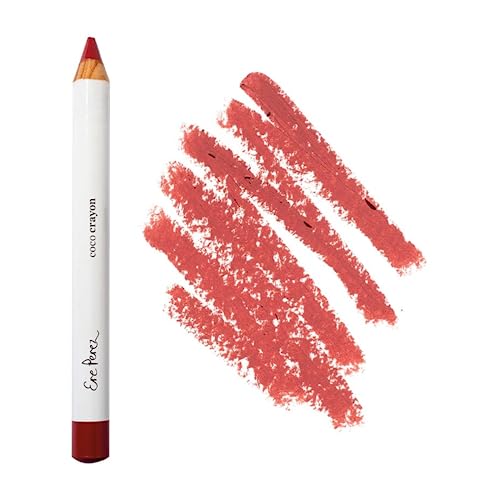
Ere Perez Lipstick - Hydrating Matte Finish, Vegan & Cruelty-Free - Charm, 0.01 oz (3 g)


Titanium Dioxide
Medium RiskTitanium dioxide is an inorganic compound used primarily as a pigment due to its brightness and high refractive index. It is commonly found in products such as paints, coatings, plastics, and cosmetics, providing color and opacity.

Sustai Insights
Titanium dioxide serves effectively as a UV filter and colorant, enhancing product stability and performance. However, it has been classified as a moderate concern for potential carcinogenicity and carries low risks for allergies and reproductive toxicity. Environmental risks include its pollutant potential, though it is not known to bioaccumulate. Regulatory bodies have issued specific restrictions regarding its use, leading to an overall medium risk assessment. Safe usage practices should be observed, with consideration for alternatives such as zinc oxide for a more sustainable option.
Glyceryl Undecylenate
Medium RiskGlyceryl undecylenate is an ester of glycerin and undecylenic acid, commonly used as a skin-conditioning agent and emulsifier in cosmetic formulations. It aids in improving the texture and spreadability of products, contributing to their overall performance.
Sustai Insights
Glyceryl undecylenate offers functional benefits as an effective emulsifier and skin-conditioning agent. It is generally recognized as safe with low concerns regarding carcinogenicity, allergies, and reproductive toxicity. However, moderate use restrictions exist, and regulatory advisories should be considered. Environmental risks are minimal, with no significant pollutant or bioaccumulation potential noted. Overall, the risk assessment indicates a medium-level risk, making it essential to follow safe usage practices and consider alternatives like glycerin or natural oils for sustainability.
Cocos Nucifera (Coconut) Oil
Low RiskCocos Nucifera (Coconut) Oil is derived from the kernels of the coconut palm. It is primarily used in cosmetic formulations for its emollient and moisturizing properties, making it suitable for skin and hair care products.
Sustai Insights
Coconut oil serves as an effective moisturizer and emollient, promoting skin hydration and softness. It is sustainably sourced and biodegradable. Health risks are minimal, with low concerns regarding carcinogenicity, allergens, and reproductive toxicity. Environmental impact is also low, as it does not contribute significantly to pollution or bioaccumulation. Regulatory bodies have not issued restrictions on its use. Overall, coconut oil presents a low risk for health and environmental concerns, making it a safe ingredient in cosmetic products.
Tocopherol, D Alpha
Low RiskTocopherol, specifically d-alpha tocopherol, is a naturally occurring form of Vitamin E. It is commonly used in cosmetic and personal care products primarily for its antioxidant properties, helping to protect formulations from oxidation and extend shelf life.
Sustai Insights
D-alpha tocopherol provides effective antioxidant benefits, contributing to product stability. It is sustainably sourced and generally regarded as safe, with low concerns regarding carcinogenicity, allergies, and reproductive toxicity. However, there are minor concerns about endocrine disruption. Regulatory bodies have not imposed significant restrictions, indicating low overall risk. Recommended usage practices include adhering to established safe concentration thresholds. Alternatives, such as other forms of Vitamin E or plant-based antioxidants, may also be considered.
Sand
Low RiskSand is loose, granular particles of worn or disintegrated rock, primarily composed of silica. It is commonly used as an abrasive, filler, or in construction and landscaping for its structural properties.
Sustai Insights
Sand offers functional benefits such as providing bulk and texture in various products, and it is generally considered to have low health risks, with minimal concerns regarding carcinogenicity, allergies, or reproductive toxicity. Environmentally, sand does not contribute significantly to pollution and is not bioaccumulative. Regulatory bodies do not impose restrictions on sand usage, maintaining its low-risk status. Safe usage practices should be followed to avoid inhalation of fine particles. Overall, sand is a low-risk ingredient with no notable negative impacts.
C10 18 Triglycerides
Low RiskC10-18 triglycerides are triesters of glycerin and fatty acids, primarily derived from natural sources. They function as emollients and skin-conditioning agents in cosmetic and personal care formulations, enhancing the texture and moisture content of products.
Sustai Insights
C10-18 triglycerides offer functional benefits as emollients, providing moisture and improving product texture. They are generally regarded as safe, with low concerns for carcinogenicity, allergenic potential, and reproductive toxicity. Environmental risks are minimal, as they are not known to be pollutants or bioaccumulative. Regulatory agencies do not impose significant restrictions on their use. Overall, the risk level is assessed as low, suggesting safe usage in products.
Octyldodecyl Myristate
Low RiskOctyldodecyl myristate is an ester derived from octyldodecanol and myristic acid, commonly used as an emollient and skin conditioning agent in cosmetic formulations. It enhances product texture and provides a smooth feel upon application, making it suitable for creams and lotions.
Sustai Insights
Octyldodecyl myristate offers functional benefits as a skin-conditioning agent, contributing to product smoothness and moisture retention. It is considered to have a low risk for health concerns such as carcinogenicity or allergies, and does not exhibit significant environmental hazards. Regulatory bodies do not impose major restrictions on its use. Despite general safety, individuals with sensitive skin should monitor for irritation. Overall, this ingredient maintains a low risk profile, making it a suitable choice in cosmetic formulations.
Oryzanol
Low RiskOryzanol is an ester of ferulic acid and triglycerides, primarily derived from rice bran oil. It is commonly used in cosmetic formulations for its antioxidant properties and potential skin benefits. Oryzanol is recognized for its stabilizing effects in various products.
Sustai Insights
Oryzanol offers functional benefits such as antioxidant activity, which can enhance product stability and skin health. It is sustainably sourced and not currently associated with significant health risks, including carcinogenicity or irritancy. Regulatory assessments indicate low concern for allergies and reproductive toxicity. However, environmental impacts appear minimal, with no evidence of bioaccumulation. Overall, oryzanol presents low risk according to scientific consensus, making it a safe ingredient in formulations.
Hydrogenated Vegetable Oil
Low RiskHydrogenated vegetable oil is an ingredient produced by the hydrogenation of vegetable oils, which transforms liquid oils into a more solid form. It is commonly used in cosmetic formulations as an emollient, providing a smooth texture and improving the stability of products.
Sustai Insights
Hydrogenated vegetable oil functions effectively as an emollient, enhancing product texture and stability. It is generally recognized as safe, with low concerns regarding carcinogenicity, allergies, and reproductive toxicity. Environmental risks are minimal, with no significant pollutant potential or bioaccumulation noted. Regulatory agencies have not issued warnings against its use. Overall, the ingredient presents a low risk, making it a suitable choice in cosmetic formulations.
Ci 77499
Low RiskCI 77499, also known as iron oxides, are inorganic pigments commonly used in cosmetic products for their coloring properties. They provide a range of shades and are often included for their stability and opacity, enhancing the visual appeal of formulations.
Sustai Insights
CI 77499 offers functional benefits as a stable colorant, contributing to product aesthetics without significant health risks, as concerns for carcinogenicity, allergies, and reproductive toxicity are low. However, it has high persistence and bioaccumulation potential in the environment, raising ecotoxicity concerns. Regulatory restrictions exist for certain uses. Overall, the ingredient presents a low risk profile when used according to safety guidelines, with alternatives available for those seeking greener options.
Carnauba Wax Extract
Low RiskCarnauba wax extract is a natural wax derived from the leaves of the Brazilian carnauba palm (Copernicia prunifera). It is primarily used as a glazing agent, thickener, and emulsifier in various cosmetic and personal care products due to its ability to form a protective barrier and enhance product texture.
Sustai Insights
Carnauba wax extract offers functional benefits by providing texture, stability, and moisture retention in formulations. It is sustainably sourced and biodegradable. Health risks are low, with no significant concerns regarding carcinogenicity, allergenic potential, or reproductive toxicity. Environmentally, it poses minimal risks, being non-pollutant and non-bioaccumulative. There are no current regulatory warnings against its use. Overall, the risk level is assessed as low, making it a safe ingredient choice with no known adverse effects. While alternatives exist, carnauba wax remains a viable and sustainable option.
Polyglyceryl 3 Diisostearate
Low RiskPolyglyceryl-3 diisostearate is a diester of glycerin and isostearic acid, primarily used as an emulsifier in cosmetic products. It helps to blend water and oil components, enhancing the texture and stability of formulations.
Sustai Insights
Polyglyceryl-3 diisostearate serves effectively as an emulsifier, contributing to product stability and smooth application. It is considered low risk regarding health impacts, as it is not associated with significant allergens, carcinogenicity, or reproductive toxicity. Environmentally, it shows low pollutant potential and is not bioaccumulative. Regulatory bodies have not issued restrictions against its use. Overall, the ingredient is assessed as low risk, making it a suitable choice in cosmetic formulations. Alternatives may include other emulsifiers like glyceryl stearate for similar functions.
Kaolin
Low RiskKaolin is a clay mineral composed of hydrated aluminum silicate. It is commonly used in various products for its absorbent properties, acting as a thickener, filler, and anti-caking agent in cosmetics, pharmaceuticals, and food applications.
Sustai Insights
Kaolin offers functional benefits such as effective absorption and thickening, making it valuable in personal care and industrial products. It is generally considered safe, with low concerns related to carcinogenicity, allergies, and reproductive toxicity. Environmental risks are minimal, as it is not known to be a pollutant or bioaccumulative. Regulatory bodies impose few restrictions, underscoring its low-risk profile. Safe usage practices are recommended, and while alternatives exist, kaolin remains a low-risk option in its applications.
Cocos Nucifera (Coconut) Oil
Low RiskCocos Nucifera (Coconut) Oil is derived from the kernels of the coconut palm. It is primarily used in cosmetic formulations for its emollient and moisturizing properties, making it suitable for skin and hair care products.
Sustai Insights
Coconut oil serves as an effective moisturizer and emollient, promoting skin hydration and softness. It is sustainably sourced and biodegradable. Health risks are minimal, with low concerns regarding carcinogenicity, allergens, and reproductive toxicity. Environmental impact is also low, as it does not contribute significantly to pollution or bioaccumulation. Regulatory bodies have not issued restrictions on its use. Overall, coconut oil presents a low risk for health and environmental concerns, making it a safe ingredient in cosmetic products.
Tocopherol, D Alpha
Low RiskTocopherol, specifically d-alpha tocopherol, is a naturally occurring form of Vitamin E. It is commonly used in cosmetic and personal care products primarily for its antioxidant properties, helping to protect formulations from oxidation and extend shelf life.
Sustai Insights
D-alpha tocopherol provides effective antioxidant benefits, contributing to product stability. It is sustainably sourced and generally regarded as safe, with low concerns regarding carcinogenicity, allergies, and reproductive toxicity. However, there are minor concerns about endocrine disruption. Regulatory bodies have not imposed significant restrictions, indicating low overall risk. Recommended usage practices include adhering to established safe concentration thresholds. Alternatives, such as other forms of Vitamin E or plant-based antioxidants, may also be considered.
Sand
Low RiskSand is loose, granular particles of worn or disintegrated rock, primarily composed of silica. It is commonly used as an abrasive, filler, or in construction and landscaping for its structural properties.
Sustai Insights
Sand offers functional benefits such as providing bulk and texture in various products, and it is generally considered to have low health risks, with minimal concerns regarding carcinogenicity, allergies, or reproductive toxicity. Environmentally, sand does not contribute significantly to pollution and is not bioaccumulative. Regulatory bodies do not impose restrictions on sand usage, maintaining its low-risk status. Safe usage practices should be followed to avoid inhalation of fine particles. Overall, sand is a low-risk ingredient with no notable negative impacts.
C10 18 Triglycerides
Low RiskC10-18 triglycerides are triesters of glycerin and fatty acids, primarily derived from natural sources. They function as emollients and skin-conditioning agents in cosmetic and personal care formulations, enhancing the texture and moisture content of products.
Sustai Insights
C10-18 triglycerides offer functional benefits as emollients, providing moisture and improving product texture. They are generally regarded as safe, with low concerns for carcinogenicity, allergenic potential, and reproductive toxicity. Environmental risks are minimal, as they are not known to be pollutants or bioaccumulative. Regulatory agencies do not impose significant restrictions on their use. Overall, the risk level is assessed as low, suggesting safe usage in products.
Octyldodecyl Myristate
Low RiskOctyldodecyl myristate is an ester derived from octyldodecanol and myristic acid, commonly used as an emollient and skin conditioning agent in cosmetic formulations. It enhances product texture and provides a smooth feel upon application, making it suitable for creams and lotions.
Sustai Insights
Octyldodecyl myristate offers functional benefits as a skin-conditioning agent, contributing to product smoothness and moisture retention. It is considered to have a low risk for health concerns such as carcinogenicity or allergies, and does not exhibit significant environmental hazards. Regulatory bodies do not impose major restrictions on its use. Despite general safety, individuals with sensitive skin should monitor for irritation. Overall, this ingredient maintains a low risk profile, making it a suitable choice in cosmetic formulations.
Oryzanol
Low RiskOryzanol is an ester of ferulic acid and triglycerides, primarily derived from rice bran oil. It is commonly used in cosmetic formulations for its antioxidant properties and potential skin benefits. Oryzanol is recognized for its stabilizing effects in various products.
Sustai Insights
Oryzanol offers functional benefits such as antioxidant activity, which can enhance product stability and skin health. It is sustainably sourced and not currently associated with significant health risks, including carcinogenicity or irritancy. Regulatory assessments indicate low concern for allergies and reproductive toxicity. However, environmental impacts appear minimal, with no evidence of bioaccumulation. Overall, oryzanol presents low risk according to scientific consensus, making it a safe ingredient in formulations.
Hydrogenated Vegetable Oil
Low RiskHydrogenated vegetable oil is an ingredient produced by the hydrogenation of vegetable oils, which transforms liquid oils into a more solid form. It is commonly used in cosmetic formulations as an emollient, providing a smooth texture and improving the stability of products.
Sustai Insights
Hydrogenated vegetable oil functions effectively as an emollient, enhancing product texture and stability. It is generally recognized as safe, with low concerns regarding carcinogenicity, allergies, and reproductive toxicity. Environmental risks are minimal, with no significant pollutant potential or bioaccumulation noted. Regulatory agencies have not issued warnings against its use. Overall, the ingredient presents a low risk, making it a suitable choice in cosmetic formulations.
Ci 77499
Low RiskCI 77499, also known as iron oxides, are inorganic pigments commonly used in cosmetic products for their coloring properties. They provide a range of shades and are often included for their stability and opacity, enhancing the visual appeal of formulations.
Sustai Insights
CI 77499 offers functional benefits as a stable colorant, contributing to product aesthetics without significant health risks, as concerns for carcinogenicity, allergies, and reproductive toxicity are low. However, it has high persistence and bioaccumulation potential in the environment, raising ecotoxicity concerns. Regulatory restrictions exist for certain uses. Overall, the ingredient presents a low risk profile when used according to safety guidelines, with alternatives available for those seeking greener options.
Titanium Dioxide
Medium RiskTitanium dioxide is an inorganic compound used primarily as a pigment due to its brightness and high refractive index. It is commonly found in products such as paints, coatings, plastics, and cosmetics, providing color and opacity.
Sustai Insights
Titanium dioxide serves effectively as a UV filter and colorant, enhancing product stability and performance. However, it has been classified as a moderate concern for potential carcinogenicity and carries low risks for allergies and reproductive toxicity. Environmental risks include its pollutant potential, though it is not known to bioaccumulate. Regulatory bodies have issued specific restrictions regarding its use, leading to an overall medium risk assessment. Safe usage practices should be observed, with consideration for alternatives such as zinc oxide for a more sustainable option.
Carnauba Wax Extract
Low RiskCarnauba wax extract is a natural wax derived from the leaves of the Brazilian carnauba palm (Copernicia prunifera). It is primarily used as a glazing agent, thickener, and emulsifier in various cosmetic and personal care products due to its ability to form a protective barrier and enhance product texture.
Sustai Insights
Carnauba wax extract offers functional benefits by providing texture, stability, and moisture retention in formulations. It is sustainably sourced and biodegradable. Health risks are low, with no significant concerns regarding carcinogenicity, allergenic potential, or reproductive toxicity. Environmentally, it poses minimal risks, being non-pollutant and non-bioaccumulative. There are no current regulatory warnings against its use. Overall, the risk level is assessed as low, making it a safe ingredient choice with no known adverse effects. While alternatives exist, carnauba wax remains a viable and sustainable option.
Polyglyceryl 3 Diisostearate
Low RiskPolyglyceryl-3 diisostearate is a diester of glycerin and isostearic acid, primarily used as an emulsifier in cosmetic products. It helps to blend water and oil components, enhancing the texture and stability of formulations.
Sustai Insights
Polyglyceryl-3 diisostearate serves effectively as an emulsifier, contributing to product stability and smooth application. It is considered low risk regarding health impacts, as it is not associated with significant allergens, carcinogenicity, or reproductive toxicity. Environmentally, it shows low pollutant potential and is not bioaccumulative. Regulatory bodies have not issued restrictions against its use. Overall, the ingredient is assessed as low risk, making it a suitable choice in cosmetic formulations. Alternatives may include other emulsifiers like glyceryl stearate for similar functions.
Kaolin
Low RiskKaolin is a clay mineral composed of hydrated aluminum silicate. It is commonly used in various products for its absorbent properties, acting as a thickener, filler, and anti-caking agent in cosmetics, pharmaceuticals, and food applications.
Sustai Insights
Kaolin offers functional benefits such as effective absorption and thickening, making it valuable in personal care and industrial products. It is generally considered safe, with low concerns related to carcinogenicity, allergies, and reproductive toxicity. Environmental risks are minimal, as it is not known to be a pollutant or bioaccumulative. Regulatory bodies impose few restrictions, underscoring its low-risk profile. Safe usage practices are recommended, and while alternatives exist, kaolin remains a low-risk option in its applications.
Glyceryl Undecylenate
Medium RiskGlyceryl undecylenate is an ester of glycerin and undecylenic acid, commonly used as a skin-conditioning agent and emulsifier in cosmetic formulations. It aids in improving the texture and spreadability of products, contributing to their overall performance.
Sustai Insights
Glyceryl undecylenate offers functional benefits as an effective emulsifier and skin-conditioning agent. It is generally recognized as safe with low concerns regarding carcinogenicity, allergies, and reproductive toxicity. However, moderate use restrictions exist, and regulatory advisories should be considered. Environmental risks are minimal, with no significant pollutant or bioaccumulation potential noted. Overall, the risk assessment indicates a medium-level risk, making it essential to follow safe usage practices and consider alternatives like glycerin or natural oils for sustainability.
Experience vibrant color with Ere Perez's Natural Coco Crayon Hydrating Lip Color, a vegan and cruelty-free beauty essential. Crafted from sustainable materials, this innovative crayon offers a guilt-free application without plastic.
- Hydrating Formula: Enriched with coconut and baobab seed oils, it ensures your lips stay moisturized and luscious all day.
- Zero-Waste Design: Made from wood with a sleek aluminum lid, this eco-friendly crayon reduces plastic waste, making it a perfect choice for the environmentally conscious.
- Smooth Application: The creamy texture glides on effortlessly, providing full coverage with a matte finish that feels comfortable and light.
- Versatile Use: Ideal for both lips and cheeks, this multifunctional crayon allows for easy blending and buildable color intensity, perfect for any occasion.
- Clean Beauty Commitment: Proudly non-toxic, non-GMO, and free from harmful chemicals, Ere Perez ensures you look good while caring for your health and the planet.
Subscribe & Save with Sustai
- Best Price Guarantee: Always enjoy the lowest prices on sustainable home essentials.
- No Surprises: We’ll notify you before shipping. No hidden fees, ever.
- You’re in Charge: Change, pause, or cancel your subscription anytime with ease.
- Eco-Friendly Deliveries: Our grouped shipments mean less packaging and lower emissions.
Join us on a sustainable journey. Special offers for a limited time! Prices and promotions may change.
Recommended Products


Experience vibrant color with Ere Perez's Natural Coco Crayon Hydrating Lip Color, a vegan and cruelty-free beauty essential. Crafted from sustainable materials, this innovative crayon offers a guilt-free application without plastic.
- Hydrating Formula: Enriched with coconut and baobab seed oils, it ensures your lips stay moisturized and luscious all day.
- Zero-Waste Design: Made from wood with a sleek aluminum lid, this eco-friendly crayon reduces plastic waste, making it a perfect choice for the environmentally conscious.
- Smooth Application: The creamy texture glides on effortlessly, providing full coverage with a matte finish that feels comfortable and light.
- Versatile Use: Ideal for both lips and cheeks, this multifunctional crayon allows for easy blending and buildable color intensity, perfect for any occasion.
- Clean Beauty Commitment: Proudly non-toxic, non-GMO, and free from harmful chemicals, Ere Perez ensures you look good while caring for your health and the planet.
You can have at most 2 Sustainable Steals products in your cart
Customer Reviews

Customers’ View
Customers appreciate the eco-conscious design and hydrating formula of the Ere Perez Coco Crayon. Many users highlight its clean ingredients and vegan formulation, which align with their health and sustainability values. Reviewers note that the crayon glides on smoothly, providing vibrant color without drying out the lips, making it suitable for all-day wear. One customer mentioned, 'the formula is clean and easy to apply,' while another praised its longevity, stating it 'stayed on after eating and drinking.' Additionally, the versatile shade options have received positive feedback, with users enjoying the ability to use the product on both lips and cheeks. Overall, customers find the lip crayon effective and appealing for those looking for a blend of beauty and sustainability.
AI-generated from the text of customer reviewsThis product has no reviews yet.