

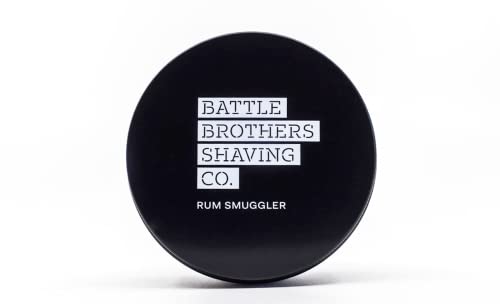

Battle Brothers Shaving Soap - Thick Lather, Organic Ingredients, Hypoallergenic - 4oz Gin & Cypress


Fragrance
High RiskFragrance refers to a mixture of aromatic compounds used in products to provide scent. It is commonly listed as 'fragrance' or 'parfum' on product labels and can serve various functions, including enhancing user experience and masking undesirable odors.

Sustai Insights
Fragrance offers functional benefits by improving product appeal; however, it poses significant health risks, notably a high likelihood of causing allergies and allergic contact dermatitis. Environmental risks include potential pollution and endocrine disruption, though its overall carcinogenicity is low. Regulatory bodies have noted concerns regarding its use, leading to a high-risk classification. Safe usage practices should be observed, and alternatives such as natural essential oils are recommended for those sensitive to synthetic fragrances.
Sodium Hydroxide
High RiskSodium hydroxide is a highly caustic and reactive inorganic compound commonly used as a pH adjuster in various products. It is effective in neutralizing acids and plays a role in the production of soaps and detergents.
Sustai Insights
Sodium hydroxide serves essential functions, particularly in adjusting pH levels, but poses significant health risks, including skin and eye irritation. It is subject to high usage restrictions due to its corrosive nature. Environmental concerns include its potential to pollute water sources and contribute to ecosystem damage. Regulatory bodies have imposed strict guidelines on its use, indicating a high-risk profile for products containing this ingredient. Safe handling practices are crucial, and alternatives include milder pH adjusters, emphasizing the need for caution in its application.
Bentonite
Medium RiskBentonite is a native hydrated colloidal aluminum silicate clay that is utilized in various products for its binding, thickening, and absorbent properties. It serves functions such as stabilizing emulsions and enhancing texture in formulations.
Sustai Insights
Bentonite offers functional benefits as a thickening agent and stabilizer, and it is often sourced sustainably. It has low concerns for carcinogenicity, allergies, and developmental toxicity, but moderate use restrictions exist. Environmental risks include potential pollutant characteristics. Regulatory bodies have noted these restrictions, suggesting careful usage. Overall, the risk level is assessed as medium, and users are advised to consider alternatives like kaolin clay for similar properties.
Vegetarian Glycerin
Low RiskVegetarian glycerin, also known as glycerol, is a colorless, odorless, and viscous liquid derived from plant sources. It is primarily used as a humectant, solvent, and emollient in various personal care products, helping to retain moisture and improve texture.
Sustai Insights
Vegetarian glycerin offers functional benefits as an effective humectant, promoting hydration and skin smoothness. It is biodegradable and typically sustainably sourced. Health risks associated with glycerin are low, with no significant concerns for carcinogenicity, allergens, or reproductive toxicity. Environmental risks are minimal, and it is not subject to major regulatory warnings. Overall, the risk level for this ingredient is low, making it a safe choice in formulations. Safe usage practices include ensuring proper concentrations in products, and alternatives such as propylene glycol exist but may have differing properties.
Elaeis Guineensis (Palm) Kernel Oil
Low RiskElaeis guineensis (palm) kernel oil is an oil derived from the seeds of the African oil palm tree. It functions primarily as an emollient and moisturizing agent in cosmetic formulations, enhancing texture and providing moisture retention.
Sustai Insights
Elaeis guineensis (palm) kernel oil offers functional benefits as a moisturizing agent and is often sustainably sourced. Health risks are low, with minimal concerns regarding carcinogenicity, allergies, or reproductive toxicity. Environmental risks appear low, with no significant pollutant or bioaccumulation issues reported. Regulatory bodies impose few restrictions, suggesting overall low risk. Safe usage practices recommend using it within established concentrations, while alternatives such as coconut oil may be considered for similar functions. Overall, this ingredient presents a low risk profile.
Triticum Vulgare (Wheat) Protein
Low RiskTriticum vulgare (wheat) protein is a protein derived from wheat grains, commonly used in cosmetic formulations for its moisturizing and film-forming properties. It acts as a conditioning agent, enhancing the texture and appearance of products by providing a smooth, soft feel to the skin and hair.
Sustai Insights
Triticum vulgare (wheat) protein offers functional benefits including moisturizing and conditioning properties, making it effective for hair and skin formulations. It is low-risk concerning health impacts such as carcinogenicity, allergies, or reproductive toxicity. Environmental risks are minimal, with no significant pollutant potential identified. Regulatory bodies have not imposed restrictions on its use. Overall, this ingredient is assessed as low risk. For those seeking alternatives, hydrolyzed silk protein or other plant-based proteins may provide similar benefits.
Carthamus Tinctorius (Safflower) Seed Oil
Low RiskCarthamus tinctorius (safflower) seed oil is derived from the seeds of the safflower plant. It is primarily used in cosmetic formulations for its emollient properties, helping to moisturize and soften the skin. The oil is rich in unsaturated fatty acids and is often employed in skin care products for its potential benefits to skin health.
Sustai Insights
Safflower seed oil offers functional benefits as a moisturizer and emollient, contributing to skin hydration without significant irritation. It is generally recognized as low risk concerning health impacts, with minimal concerns over carcinogenicity, allergies, and reproductive toxicity. Environmentally, it poses low risks, being non-bioaccumulative and not a significant pollutant. Regulatory bodies do not impose restrictions on its use, underscoring its safety profile. While there are no widely recognized safer alternatives, users should ensure proper application to mitigate any potential skin irritation. Overall, this ingredient is assessed as low risk.
Water
Low RiskWater is a clear, colorless liquid essential for various biological processes. It serves as a solvent in formulations, facilitating the dissolution of other ingredients and enhancing product texture and application. Additionally, water plays a crucial role in hydration and is a key component in many cosmetic and personal care products.
Sustai Insights
Water is an effective solvent and hydrator, contributing to the texture and efficacy of formulations. It is biodegradable and generally regarded as safe, with low concerns regarding carcinogenicity, allergies, and reproductive toxicity. However, excessive water usage can lead to environmental concerns, particularly regarding resource depletion. Regulatory bodies do not impose restrictions on water use in cosmetics. Overall, the risks associated with water are low, making it a safe and essential ingredient.
Anhydrous Liquid Lanolin
Low RiskAnhydrous liquid lanolin is a refined derivative of the fat-like substance secreted by sheep's wool. It serves primarily as a moisturizer and emollient in various cosmetic and personal care products, providing a protective barrier to the skin.
Sustai Insights
Anhydrous liquid lanolin offers functional benefits as a moisturizer, helping to maintain skin hydration and barrier function. It is generally regarded as low risk for cancer, developmental toxicity, and use restrictions, though it may pose low to moderate allergenic risks for sensitive individuals. Environmentally, it is not considered a significant pollutant or bioaccumulative. Regulatory assessments confirm its safety within established limits. For those with allergies, alternatives like plant-based oils may be considered. Overall, the risk associated with this ingredient is low.
Avena Sativa (Oat) Kernel Protein
Low RiskAvena sativa (oat) kernel protein is a protein derived from oats, commonly used in cosmetic formulations for its moisturizing and film-forming properties. It is known for its ability to enhance skin hydration and improve product texture, making it a popular ingredient in skin and hair care products.
Sustai Insights
Avena sativa (oat) kernel protein offers functional benefits such as hydration and improved product texture, contributing positively to cosmetic formulations. It is considered to have low health risks, with no significant concerns regarding carcinogenicity, allergies, or reproductive toxicity. Environmentally, it is not recognized as a pollutant or bioaccumulative. Regulatory bodies do not impose significant restrictions on its use. Overall, the risk level associated with this ingredient is low, and its use in products is generally safe. Alternatives include other plant-based proteins that provide similar benefits.
Sorbitol
Low RiskSorbitol (glucitol) is a type of sugar alcohol used primarily as a sweetener and humectant in various food and cosmetic products. It is known for its moisture-retaining properties and is often found in sugar-free foods and personal care formulations.
Sustai Insights
Sorbitol serves effectively as a sweetener and humectant while being considered biodegradable and sustainably sourced. Health risks are low, with no significant concerns regarding carcinogenicity, allergies, or reproductive toxicity. Environmental assessments indicate minimal pollutant potential and low bioaccumulation. Regulatory bodies, including the FDA, have approved its use, but it is subject to specific guidelines. Overall, sorbitol presents a low risk profile, making it a suitable ingredient in food and cosmetic applications.
Cocos Nucifera (Coconut) Oil
Low RiskCocos Nucifera (Coconut) Oil is derived from the kernels of the coconut palm. It is primarily used in cosmetic formulations for its emollient and moisturizing properties, making it suitable for skin and hair care products.
Sustai Insights
Coconut oil serves as an effective moisturizer and emollient, promoting skin hydration and softness. It is sustainably sourced and biodegradable. Health risks are minimal, with low concerns regarding carcinogenicity, allergens, and reproductive toxicity. Environmental impact is also low, as it does not contribute significantly to pollution or bioaccumulation. Regulatory bodies have not issued restrictions on its use. Overall, coconut oil presents a low risk for health and environmental concerns, making it a safe ingredient in cosmetic products.
Sorbitan Olivate
Low RiskSorbitan olivate is a surfactant derived from olive oil and sorbitol. It functions primarily as an emulsifier, allowing for the mixing of oil and water in cosmetic formulations. It is commonly found in creams and lotions, enhancing texture and stability.
Sustai Insights
Sorbitan olivate offers functional benefits as an emulsifier, improving product texture and stability while being derived from a sustainable source. Health risks are low, with no significant concerns regarding carcinogenicity, allergies, or reproductive toxicity. Environmentally, it is not known to bioaccumulate or contribute to pollution. Regulatory bodies have not identified restrictions, indicating a favorable risk level. For safe usage, it is recommended in standard cosmetic formulations, with few alternatives necessary given its low-risk profile.
Vegetarian Glycerin
Low RiskVegetarian glycerin, also known as glycerol, is a colorless, odorless, and viscous liquid derived from plant sources. It is primarily used as a humectant, solvent, and emollient in various personal care products, helping to retain moisture and improve texture.
Sustai Insights
Vegetarian glycerin offers functional benefits as an effective humectant, promoting hydration and skin smoothness. It is biodegradable and typically sustainably sourced. Health risks associated with glycerin are low, with no significant concerns for carcinogenicity, allergens, or reproductive toxicity. Environmental risks are minimal, and it is not subject to major regulatory warnings. Overall, the risk level for this ingredient is low, making it a safe choice in formulations. Safe usage practices include ensuring proper concentrations in products, and alternatives such as propylene glycol exist but may have differing properties.
Elaeis Guineensis (Palm) Kernel Oil
Low RiskElaeis guineensis (palm) kernel oil is an oil derived from the seeds of the African oil palm tree. It functions primarily as an emollient and moisturizing agent in cosmetic formulations, enhancing texture and providing moisture retention.
Sustai Insights
Elaeis guineensis (palm) kernel oil offers functional benefits as a moisturizing agent and is often sustainably sourced. Health risks are low, with minimal concerns regarding carcinogenicity, allergies, or reproductive toxicity. Environmental risks appear low, with no significant pollutant or bioaccumulation issues reported. Regulatory bodies impose few restrictions, suggesting overall low risk. Safe usage practices recommend using it within established concentrations, while alternatives such as coconut oil may be considered for similar functions. Overall, this ingredient presents a low risk profile.
Triticum Vulgare (Wheat) Protein
Low RiskTriticum vulgare (wheat) protein is a protein derived from wheat grains, commonly used in cosmetic formulations for its moisturizing and film-forming properties. It acts as a conditioning agent, enhancing the texture and appearance of products by providing a smooth, soft feel to the skin and hair.
Sustai Insights
Triticum vulgare (wheat) protein offers functional benefits including moisturizing and conditioning properties, making it effective for hair and skin formulations. It is low-risk concerning health impacts such as carcinogenicity, allergies, or reproductive toxicity. Environmental risks are minimal, with no significant pollutant potential identified. Regulatory bodies have not imposed restrictions on its use. Overall, this ingredient is assessed as low risk. For those seeking alternatives, hydrolyzed silk protein or other plant-based proteins may provide similar benefits.
Bentonite
Medium RiskBentonite is a native hydrated colloidal aluminum silicate clay that is utilized in various products for its binding, thickening, and absorbent properties. It serves functions such as stabilizing emulsions and enhancing texture in formulations.
Sustai Insights
Bentonite offers functional benefits as a thickening agent and stabilizer, and it is often sourced sustainably. It has low concerns for carcinogenicity, allergies, and developmental toxicity, but moderate use restrictions exist. Environmental risks include potential pollutant characteristics. Regulatory bodies have noted these restrictions, suggesting careful usage. Overall, the risk level is assessed as medium, and users are advised to consider alternatives like kaolin clay for similar properties.
Carthamus Tinctorius (Safflower) Seed Oil
Low RiskCarthamus tinctorius (safflower) seed oil is derived from the seeds of the safflower plant. It is primarily used in cosmetic formulations for its emollient properties, helping to moisturize and soften the skin. The oil is rich in unsaturated fatty acids and is often employed in skin care products for its potential benefits to skin health.
Sustai Insights
Safflower seed oil offers functional benefits as a moisturizer and emollient, contributing to skin hydration without significant irritation. It is generally recognized as low risk concerning health impacts, with minimal concerns over carcinogenicity, allergies, and reproductive toxicity. Environmentally, it poses low risks, being non-bioaccumulative and not a significant pollutant. Regulatory bodies do not impose restrictions on its use, underscoring its safety profile. While there are no widely recognized safer alternatives, users should ensure proper application to mitigate any potential skin irritation. Overall, this ingredient is assessed as low risk.
Water
Low RiskWater is a clear, colorless liquid essential for various biological processes. It serves as a solvent in formulations, facilitating the dissolution of other ingredients and enhancing product texture and application. Additionally, water plays a crucial role in hydration and is a key component in many cosmetic and personal care products.
Sustai Insights
Water is an effective solvent and hydrator, contributing to the texture and efficacy of formulations. It is biodegradable and generally regarded as safe, with low concerns regarding carcinogenicity, allergies, and reproductive toxicity. However, excessive water usage can lead to environmental concerns, particularly regarding resource depletion. Regulatory bodies do not impose restrictions on water use in cosmetics. Overall, the risks associated with water are low, making it a safe and essential ingredient.
Fragrance
High RiskFragrance refers to a mixture of aromatic compounds used in products to provide scent. It is commonly listed as 'fragrance' or 'parfum' on product labels and can serve various functions, including enhancing user experience and masking undesirable odors.
Sustai Insights
Fragrance offers functional benefits by improving product appeal; however, it poses significant health risks, notably a high likelihood of causing allergies and allergic contact dermatitis. Environmental risks include potential pollution and endocrine disruption, though its overall carcinogenicity is low. Regulatory bodies have noted concerns regarding its use, leading to a high-risk classification. Safe usage practices should be observed, and alternatives such as natural essential oils are recommended for those sensitive to synthetic fragrances.
Anhydrous Liquid Lanolin
Low RiskAnhydrous liquid lanolin is a refined derivative of the fat-like substance secreted by sheep's wool. It serves primarily as a moisturizer and emollient in various cosmetic and personal care products, providing a protective barrier to the skin.
Sustai Insights
Anhydrous liquid lanolin offers functional benefits as a moisturizer, helping to maintain skin hydration and barrier function. It is generally regarded as low risk for cancer, developmental toxicity, and use restrictions, though it may pose low to moderate allergenic risks for sensitive individuals. Environmentally, it is not considered a significant pollutant or bioaccumulative. Regulatory assessments confirm its safety within established limits. For those with allergies, alternatives like plant-based oils may be considered. Overall, the risk associated with this ingredient is low.
Avena Sativa (Oat) Kernel Protein
Low RiskAvena sativa (oat) kernel protein is a protein derived from oats, commonly used in cosmetic formulations for its moisturizing and film-forming properties. It is known for its ability to enhance skin hydration and improve product texture, making it a popular ingredient in skin and hair care products.
Sustai Insights
Avena sativa (oat) kernel protein offers functional benefits such as hydration and improved product texture, contributing positively to cosmetic formulations. It is considered to have low health risks, with no significant concerns regarding carcinogenicity, allergies, or reproductive toxicity. Environmentally, it is not recognized as a pollutant or bioaccumulative. Regulatory bodies do not impose significant restrictions on its use. Overall, the risk level associated with this ingredient is low, and its use in products is generally safe. Alternatives include other plant-based proteins that provide similar benefits.
Sodium Hydroxide
High RiskSodium hydroxide is a highly caustic and reactive inorganic compound commonly used as a pH adjuster in various products. It is effective in neutralizing acids and plays a role in the production of soaps and detergents.
Sustai Insights
Sodium hydroxide serves essential functions, particularly in adjusting pH levels, but poses significant health risks, including skin and eye irritation. It is subject to high usage restrictions due to its corrosive nature. Environmental concerns include its potential to pollute water sources and contribute to ecosystem damage. Regulatory bodies have imposed strict guidelines on its use, indicating a high-risk profile for products containing this ingredient. Safe handling practices are crucial, and alternatives include milder pH adjusters, emphasizing the need for caution in its application.
Sorbitol
Low RiskSorbitol (glucitol) is a type of sugar alcohol used primarily as a sweetener and humectant in various food and cosmetic products. It is known for its moisture-retaining properties and is often found in sugar-free foods and personal care formulations.
Sustai Insights
Sorbitol serves effectively as a sweetener and humectant while being considered biodegradable and sustainably sourced. Health risks are low, with no significant concerns regarding carcinogenicity, allergies, or reproductive toxicity. Environmental assessments indicate minimal pollutant potential and low bioaccumulation. Regulatory bodies, including the FDA, have approved its use, but it is subject to specific guidelines. Overall, sorbitol presents a low risk profile, making it a suitable ingredient in food and cosmetic applications.
Cocos Nucifera (Coconut) Oil
Low RiskCocos Nucifera (Coconut) Oil is derived from the kernels of the coconut palm. It is primarily used in cosmetic formulations for its emollient and moisturizing properties, making it suitable for skin and hair care products.
Sustai Insights
Coconut oil serves as an effective moisturizer and emollient, promoting skin hydration and softness. It is sustainably sourced and biodegradable. Health risks are minimal, with low concerns regarding carcinogenicity, allergens, and reproductive toxicity. Environmental impact is also low, as it does not contribute significantly to pollution or bioaccumulation. Regulatory bodies have not issued restrictions on its use. Overall, coconut oil presents a low risk for health and environmental concerns, making it a safe ingredient in cosmetic products.
Sorbitan Olivate
Low RiskSorbitan olivate is a surfactant derived from olive oil and sorbitol. It functions primarily as an emulsifier, allowing for the mixing of oil and water in cosmetic formulations. It is commonly found in creams and lotions, enhancing texture and stability.
Sustai Insights
Sorbitan olivate offers functional benefits as an emulsifier, improving product texture and stability while being derived from a sustainable source. Health risks are low, with no significant concerns regarding carcinogenicity, allergies, or reproductive toxicity. Environmentally, it is not known to bioaccumulate or contribute to pollution. Regulatory bodies have not identified restrictions, indicating a favorable risk level. For safe usage, it is recommended in standard cosmetic formulations, with few alternatives necessary given its low-risk profile.
Experience the ultimate shaving luxury with Battle Brothers' USA-made Shave Soap in Gin & Cypress. This artisan soap combines organic, all-natural ingredients for a rich lather that ensures a smooth, irritation-free shave.
- Thick Lather: Lathers thickly for an incredibly smooth shave, enhancing your grooming experience.
- Organic & Natural: Crafted from organic ingredients, this soap supports your skin and the environment, making it a conscious choice for personal care.
- Handmade Quality: Each 4oz bar is handmade in the USA, ensuring the highest standards of craftsmanship and care in every product.
- Low pH & Hypoallergenic: Formulated with low pH glycerin, it’s gentle on all skin types, reducing the risk of irritation and making it suitable for sensitive skin.
- Easy Application: Designed for effortless use, simply apply with a brush to achieve a perfect lather that prepares your skin for a close shave.
Elevate your shaving routine while caring for your skin and the planet with Battle Brothers' Shave Soap.
Subscribe & Save with Sustai
- Best Price Guarantee: Always enjoy the lowest prices on sustainable home essentials.
- No Surprises: We’ll notify you before shipping. No hidden fees, ever.
- You’re in Charge: Change, pause, or cancel your subscription anytime with ease.
- Eco-Friendly Deliveries: Our grouped shipments mean less packaging and lower emissions.
Join us on a sustainable journey. Special offers for a limited time! Prices and promotions may change.
Recommended Products
Experience the ultimate shaving luxury with Battle Brothers' USA-made Shave Soap in Gin & Cypress. This artisan soap combines organic, all-natural ingredients for a rich lather that ensures a smooth, irritation-free shave.
- Thick Lather: Lathers thickly for an incredibly smooth shave, enhancing your grooming experience.
- Organic & Natural: Crafted from organic ingredients, this soap supports your skin and the environment, making it a conscious choice for personal care.
- Handmade Quality: Each 4oz bar is handmade in the USA, ensuring the highest standards of craftsmanship and care in every product.
- Low pH & Hypoallergenic: Formulated with low pH glycerin, it’s gentle on all skin types, reducing the risk of irritation and making it suitable for sensitive skin.
- Easy Application: Designed for effortless use, simply apply with a brush to achieve a perfect lather that prepares your skin for a close shave.
Elevate your shaving routine while caring for your skin and the planet with Battle Brothers' Shave Soap.
You can have at most 2 Sustainable Steals products in your cart
Customer Reviews
Customers’ View
Customers appreciate the effectiveness and eco-friendly nature of Battle Brothers Shaving Co. Shave Soap. Many users highlight the thick lather it produces, which allows for a smooth and comfortable shave. The use of organic ingredients is frequently praised, reassuring those who prioritize safety and health in their personal care products. Additionally, the low pH and hypoallergenic formulation cater to sensitive skin, minimizing irritation during use. Eco-conscious consumers value the sustainable sourcing of the ingredients, reinforcing their commitment to environmentally friendly choices. Overall, customers find this product both effective and aligned with their sustainable lifestyle.
AI-generated from the text of customer reviewsThis product has no reviews yet.