

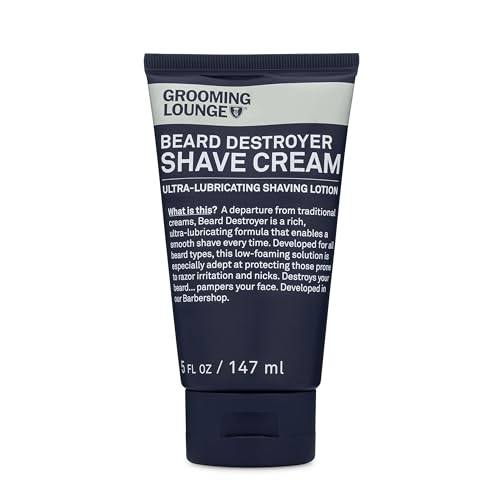

Grooming Lounge Beard Destroyer Shave Cream - Bump & Irritation Free, Moisturizing - 5 Oz


Diazolidinyl Urea
High RiskDiazolidinyl urea is an antimicrobial preservative commonly used in cosmetic and personal care products to prevent microbial growth and extend shelf life. It functions by releasing small amounts of formaldehyde, which acts as a preservative.

Sustai Insights
Diazolidinyl urea serves effectively as a preservative, ensuring product longevity. However, it poses significant health risks, particularly a high potential for allergic reactions and immunotoxicity. Environmental concerns include its pollutant status and lack of biodegradability. Regulatory bodies have flagged its use, leading to restrictions in certain regions. Overall, the ingredient is associated with high risk, particularly for sensitive populations.
Propylparaben
High RiskPropylparaben is a member of the paraben family of preservatives commonly used in cosmetics and personal care products. It helps to inhibit the growth of harmful bacteria and mold, extending the shelf life of products and ensuring their safety during use.
Sustai Insights
Propylparaben functions effectively as a preservative, preventing microbial growth and maintaining product integrity. However, it has been linked to moderate concerns regarding allergies, endocrine disruption, and potential reproductive toxicity. Regulatory agencies have imposed restrictions on its use due to these health risks. Additionally, propylparaben may pose environmental hazards, including potential bioaccumulation. Overall, the ingredient is assessed as high risk, warranting cautious usage and consideration of safer alternatives.
Rosmarinus Officinalis (Rosemary) Leaf Oil
Medium RiskRosmarinus officinalis (rosemary) leaf oil is extracted from the leaves of the rosemary plant. It is commonly used in cosmetic and personal care products for its aromatic properties and potential preservative benefits due to its antioxidant content.
Sustai Insights
Rosemary leaf oil offers functional benefits such as antimicrobial and antioxidant properties, which can enhance product stability. It is derived from a renewable source and is biodegradable. However, it presents moderate risks of allergic reactions and skin irritation, particularly with enhanced skin absorption. Regulatory bodies have noted restrictions on its usage in specific concentrations. The overall risk level is assessed as medium. Users are advised to follow safe usage practices and may consider alternatives like tocopherols or other natural preservatives.
Methylparaben
Medium RiskMethylparaben is a member of the paraben family, commonly used as a preservative in cosmetic and personal care products. It helps inhibit the growth of bacteria and fungi, thereby extending the shelf life of products.
Sustai Insights
Methylparaben serves effectively as a preservative, protecting products from microbial growth, and is generally considered safe at low concentrations. However, it has been associated with low to moderate risks of allergies and endocrine disruption. Regulatory bodies have imposed some restrictions on its use, but it is still considered low risk for carcinogenicity and developmental toxicity. Safe usage practices recommend adhering to established concentration thresholds, and alternatives like phenoxyethanol or ethylhexylglycerin could be considered for those seeking more sustainable options. Overall, the risk level associated with methylparaben is medium.
Citrus Aurantium Dulcis (Orange) Peel Oil
Medium RiskCitrus aurantium dulcis (orange) peel oil is derived from the peel of oranges and is commonly used in cosmetic and personal care products for its fragrance and potential skin benefits. It is known for its aromatic properties and is often included in formulations aimed at enhancing scent profiles.
Sustai Insights
Citrus aurantium dulcis (orange) peel oil offers functional benefits such as providing a pleasant scent and potential antimicrobial properties. However, it poses a high allergy risk and may cause skin irritation in sensitive individuals. Environmental concerns include moderate persistence and potential to contribute to pollution. Regulatory warnings indicate restrictions on use in certain products. Overall, the risk level is assessed as medium, and users are advised to practice caution, particularly those with known allergies. Alternatives like sweet orange essential oil may provide similar benefits with potentially lower risks.
Vetiveria Zizanioides Root Oil
Medium RiskVetiveria zizanioides root oil is a volatile oil derived from the roots of the vetiver plant. It is primarily used for its aromatic properties in perfumes and cosmetics, as well as for its potential therapeutic benefits in aromatherapy and traditional medicine.
Sustai Insights
Vetiveria zizanioides root oil offers functional benefits as a fragrance and may have calming effects in aromatherapy. It is generally considered low risk for carcinogenicity and developmental toxicity but poses moderate concerns for allergies. Environmentally, it is not known to be bioaccumulative, and its production is often sustainable. Regulatory statuses are favorable, with no current restrictions. Overall, while it has beneficial properties, the moderate allergy risk necessitates caution in sensitive populations, leading to a medium risk assessment.
Eucalyptus Globulus (Eucalyptus) Leaf Oil
Medium RiskEucalyptus globulus leaf oil is a volatile oil derived from the leaves of the eucalyptus tree, primarily used for its aromatic properties and as a potential antimicrobial agent in various products.
Sustai Insights
Eucalyptus globulus leaf oil offers functional benefits like fragrance and potential antimicrobial properties, supporting product efficacy. However, it presents high allergenic potential and moderate irritation concerns, which may pose health risks. Environmental risks include possible pollution and bioaccumulation. Regulatory restrictions are in place regarding its use in certain products. Overall, the risk level is medium, necessitating caution in usage and consideration of alternatives like tea tree oil or peppermint oil.
Vegetarian Glycerin
Low RiskVegetarian glycerin, also known as glycerol, is a colorless, odorless, and viscous liquid derived from plant sources. It is primarily used as a humectant, solvent, and emollient in various personal care products, helping to retain moisture and improve texture.
Sustai Insights
Vegetarian glycerin offers functional benefits as an effective humectant, promoting hydration and skin smoothness. It is biodegradable and typically sustainably sourced. Health risks associated with glycerin are low, with no significant concerns for carcinogenicity, allergens, or reproductive toxicity. Environmental risks are minimal, and it is not subject to major regulatory warnings. Overall, the risk level for this ingredient is low, making it a safe choice in formulations. Safe usage practices include ensuring proper concentrations in products, and alternatives such as propylene glycol exist but may have differing properties.
Cetyl Alcohol
Low RiskCetyl alcohol is a long-chain organic alcohol commonly used in cosmetic formulations. It serves as an emollient, emulsifier, and thickening agent, enhancing the texture and stability of products. Cetyl alcohol is derived from natural sources, such as coconut or palm oil, and is often included in creams, lotions, and hair conditioners.
Sustai Insights
Cetyl alcohol offers functional benefits as an emollient and emulsifier, improving product texture and stability. It is biodegradable and sourced from renewable materials, contributing to sustainability. Health risks are minimal, with low concerns for carcinogenicity, allergies, or reproductive toxicity. Environmental impact is also low, with no significant pollutant or bioaccumulation potential. Regulatory bodies have not placed restrictions on its use, indicating a favorable safety profile. Overall, cetyl alcohol is assessed as low risk, and safe usage practices include ensuring proper formulation concentrations.
Lavandula Hybrida Oil
Low RiskLavandula hybrida oil is an essential oil obtained from the hybrid lavender plant, known for its aromatic properties and use in various cosmetic and therapeutic applications. It is commonly used for its fragrance and potential calming effects in personal care products.
Sustai Insights
Lavandula hybrida oil offers functional benefits as a fragrance and may have mild calming effects. It is sustainably sourced and typically presents low risks for carcinogenicity, allergies, and reproductive toxicity. However, it carries low to moderate concerns about endocrine disruption. Environmental impacts are minimal, and it is not currently subject to significant regulatory restrictions. Overall, the risk level associated with this ingredient is low, making it a relatively safe option in product formulations.
Water
Low RiskWater is a clear, colorless liquid essential for various biological processes. It serves as a solvent in formulations, facilitating the dissolution of other ingredients and enhancing product texture and application. Additionally, water plays a crucial role in hydration and is a key component in many cosmetic and personal care products.
Sustai Insights
Water is an effective solvent and hydrator, contributing to the texture and efficacy of formulations. It is biodegradable and generally regarded as safe, with low concerns regarding carcinogenicity, allergies, and reproductive toxicity. However, excessive water usage can lead to environmental concerns, particularly regarding resource depletion. Regulatory bodies do not impose restrictions on water use in cosmetics. Overall, the risks associated with water are low, making it a safe and essential ingredient.
Stearyl Alcohol
Low RiskStearyl alcohol is a compound produced from the hydrogenation of stearic acid, commonly used in cosmetic formulations as an emulsifier and thickening agent. It helps stabilize products by blending oil and water phases, enhancing texture and consistency.
Sustai Insights
Stearyl alcohol provides functional benefits as an emulsifier and stabilizer, contributing to improved product texture. It is generally regarded as safe with low concerns for cancer, allergies, and reproductive toxicity. However, it may cause moderate skin, eye, or respiratory irritation. Regulatory bodies do not impose significant restrictions, indicating a low overall risk. While it poses minimal health and environmental hazards, caution is advised for sensitive individuals. Alternatives like cetyl alcohol or plant-based emulsifiers may offer safer options for formulators.
Cetyl Esters
Low RiskCetyl esters are synthetic waxes commonly used in cosmetic formulations to enhance texture and stability. They serve as emollients, providing a smooth feel and improving the spreadability of products. Additionally, they can function as thickeners and stabilizers in various formulations.
Sustai Insights
Cetyl esters offer functional benefits such as emollience and stabilization, contributing to a desirable texture in cosmetic products. They have low health risks, with negligible concerns regarding carcinogenicity, allergens, or developmental toxicity. Environmental risks are minimal, and regulatory status is generally favorable, with no significant restrictions reported. Overall, the risk level is considered low, making cetyl esters a safe choice in formulations. Safe usage practices should be followed, and while alternatives exist, cetyl esters remain a well-regarded option in cosmetic applications.
Caprylic Triglyceride
Low RiskCaprylic triglyceride is an ester derived from coconut oil and glycerin, commonly used in cosmetic formulations as an emollient, stabilizer, and skin-conditioning agent. It helps to improve the texture and spreadability of products while providing a lightweight, non-greasy feel.
Sustai Insights
Caprylic triglyceride offers functional benefits such as enhanced skin moisturization and improved formulation stability. It is generally regarded as safe, with low concerns regarding carcinogenicity, allergenic potential, and reproductive toxicity. Environmental impact is minimal, with no significant pollutant or bioaccumulative properties identified. Regulatory bodies have not issued warnings or restrictions. Overall, the risk level is low, making it a suitable ingredient in cosmetic products. Safe usage practices include adhering to recommended concentrations, and while there are alternatives, caprylic triglyceride remains a reliable choice.
Disodium Edta
Low RiskDisodium EDTA (ethylenediaminetetraacetic acid) is a chelating agent commonly used in cosmetics and personal care products to bind metal ions and enhance product stability. It helps prevent the deterioration of formulations by minimizing the effects of trace metals, thus improving the overall efficacy and shelf life of the product.
Sustai Insights
Disodium EDTA serves as an effective stabilizer and preservative in various formulations, aiding in the prevention of product degradation. It is considered to have low health risks, with minimal concerns regarding carcinogenicity, allergies, or reproductive toxicity. Environmentally, it is not classified as a significant pollutant or bioaccumulative substance. Regulatory bodies, including the FDA, have noted its safe use in specified concentrations. Overall, the ingredient is assessed to have a low risk profile, with no major health or environmental concerns, making it a reliable choice for product formulation.
Sodium Lauryl Sulfate
Low RiskSodium lauryl sulfate is the sodium salt of lauryl sulfuric acid, commonly used as a surfactant in various personal care and cleaning products. It functions primarily to create lather and reduce surface tension, facilitating the distribution of other ingredients.
Sustai Insights
Sodium lauryl sulfate effectively serves as a surfactant, enhancing product performance in cleansing formulations. It is generally considered to have low health risks, with minimal concerns regarding carcinogenicity, allergy, or reproductive toxicity. Environmental impact is also low, as it is not classified as a bioaccumulative pollutant. Regulatory bodies, including the FDA, impose no significant restrictions on its use. Safe usage practices should still be observed to minimize skin irritation. Overall, sodium lauryl sulfate is assessed as low risk, with alternatives like sodium coco sulfate available for those seeking more sustainable options.
Myrtus Communis (Myrtle) Oil
Low RiskMyrtus communis oil is a volatile oil extracted from the leaves and berries of the myrtle plant. It is commonly used in cosmetic and personal care products for its aromatic properties and potential skin benefits.
Sustai Insights
Myrtus communis oil offers functional benefits such as antimicrobial properties and aromatic enhancement in formulations. It is considered low risk in terms of health concerns, with minimal potential for carcinogenicity, allergies, or reproductive toxicity. Environmentally, it poses low risks and is not associated with bioaccumulation. Regulatory status indicates no significant restrictions. Safe usage practices should be followed, and while alternatives exist, they may not provide the same aromatic qualities. Overall, this ingredient is assessed to have a low risk.
Vegetarian Glycerin
Low RiskVegetarian glycerin, also known as glycerol, is a colorless, odorless, and viscous liquid derived from plant sources. It is primarily used as a humectant, solvent, and emollient in various personal care products, helping to retain moisture and improve texture.
Sustai Insights
Vegetarian glycerin offers functional benefits as an effective humectant, promoting hydration and skin smoothness. It is biodegradable and typically sustainably sourced. Health risks associated with glycerin are low, with no significant concerns for carcinogenicity, allergens, or reproductive toxicity. Environmental risks are minimal, and it is not subject to major regulatory warnings. Overall, the risk level for this ingredient is low, making it a safe choice in formulations. Safe usage practices include ensuring proper concentrations in products, and alternatives such as propylene glycol exist but may have differing properties.
Rosmarinus Officinalis (Rosemary) Leaf Oil
Medium RiskRosmarinus officinalis (rosemary) leaf oil is extracted from the leaves of the rosemary plant. It is commonly used in cosmetic and personal care products for its aromatic properties and potential preservative benefits due to its antioxidant content.
Sustai Insights
Rosemary leaf oil offers functional benefits such as antimicrobial and antioxidant properties, which can enhance product stability. It is derived from a renewable source and is biodegradable. However, it presents moderate risks of allergic reactions and skin irritation, particularly with enhanced skin absorption. Regulatory bodies have noted restrictions on its usage in specific concentrations. The overall risk level is assessed as medium. Users are advised to follow safe usage practices and may consider alternatives like tocopherols or other natural preservatives.
Methylparaben
Medium RiskMethylparaben is a member of the paraben family, commonly used as a preservative in cosmetic and personal care products. It helps inhibit the growth of bacteria and fungi, thereby extending the shelf life of products.
Sustai Insights
Methylparaben serves effectively as a preservative, protecting products from microbial growth, and is generally considered safe at low concentrations. However, it has been associated with low to moderate risks of allergies and endocrine disruption. Regulatory bodies have imposed some restrictions on its use, but it is still considered low risk for carcinogenicity and developmental toxicity. Safe usage practices recommend adhering to established concentration thresholds, and alternatives like phenoxyethanol or ethylhexylglycerin could be considered for those seeking more sustainable options. Overall, the risk level associated with methylparaben is medium.
Cetyl Alcohol
Low RiskCetyl alcohol is a long-chain organic alcohol commonly used in cosmetic formulations. It serves as an emollient, emulsifier, and thickening agent, enhancing the texture and stability of products. Cetyl alcohol is derived from natural sources, such as coconut or palm oil, and is often included in creams, lotions, and hair conditioners.
Sustai Insights
Cetyl alcohol offers functional benefits as an emollient and emulsifier, improving product texture and stability. It is biodegradable and sourced from renewable materials, contributing to sustainability. Health risks are minimal, with low concerns for carcinogenicity, allergies, or reproductive toxicity. Environmental impact is also low, with no significant pollutant or bioaccumulation potential. Regulatory bodies have not placed restrictions on its use, indicating a favorable safety profile. Overall, cetyl alcohol is assessed as low risk, and safe usage practices include ensuring proper formulation concentrations.
Lavandula Hybrida Oil
Low RiskLavandula hybrida oil is an essential oil obtained from the hybrid lavender plant, known for its aromatic properties and use in various cosmetic and therapeutic applications. It is commonly used for its fragrance and potential calming effects in personal care products.
Sustai Insights
Lavandula hybrida oil offers functional benefits as a fragrance and may have mild calming effects. It is sustainably sourced and typically presents low risks for carcinogenicity, allergies, and reproductive toxicity. However, it carries low to moderate concerns about endocrine disruption. Environmental impacts are minimal, and it is not currently subject to significant regulatory restrictions. Overall, the risk level associated with this ingredient is low, making it a relatively safe option in product formulations.
Water
Low RiskWater is a clear, colorless liquid essential for various biological processes. It serves as a solvent in formulations, facilitating the dissolution of other ingredients and enhancing product texture and application. Additionally, water plays a crucial role in hydration and is a key component in many cosmetic and personal care products.
Sustai Insights
Water is an effective solvent and hydrator, contributing to the texture and efficacy of formulations. It is biodegradable and generally regarded as safe, with low concerns regarding carcinogenicity, allergies, and reproductive toxicity. However, excessive water usage can lead to environmental concerns, particularly regarding resource depletion. Regulatory bodies do not impose restrictions on water use in cosmetics. Overall, the risks associated with water are low, making it a safe and essential ingredient.
Stearyl Alcohol
Low RiskStearyl alcohol is a compound produced from the hydrogenation of stearic acid, commonly used in cosmetic formulations as an emulsifier and thickening agent. It helps stabilize products by blending oil and water phases, enhancing texture and consistency.
Sustai Insights
Stearyl alcohol provides functional benefits as an emulsifier and stabilizer, contributing to improved product texture. It is generally regarded as safe with low concerns for cancer, allergies, and reproductive toxicity. However, it may cause moderate skin, eye, or respiratory irritation. Regulatory bodies do not impose significant restrictions, indicating a low overall risk. While it poses minimal health and environmental hazards, caution is advised for sensitive individuals. Alternatives like cetyl alcohol or plant-based emulsifiers may offer safer options for formulators.
Cetyl Esters
Low RiskCetyl esters are synthetic waxes commonly used in cosmetic formulations to enhance texture and stability. They serve as emollients, providing a smooth feel and improving the spreadability of products. Additionally, they can function as thickeners and stabilizers in various formulations.
Sustai Insights
Cetyl esters offer functional benefits such as emollience and stabilization, contributing to a desirable texture in cosmetic products. They have low health risks, with negligible concerns regarding carcinogenicity, allergens, or developmental toxicity. Environmental risks are minimal, and regulatory status is generally favorable, with no significant restrictions reported. Overall, the risk level is considered low, making cetyl esters a safe choice in formulations. Safe usage practices should be followed, and while alternatives exist, cetyl esters remain a well-regarded option in cosmetic applications.
Citrus Aurantium Dulcis (Orange) Peel Oil
Medium RiskCitrus aurantium dulcis (orange) peel oil is derived from the peel of oranges and is commonly used in cosmetic and personal care products for its fragrance and potential skin benefits. It is known for its aromatic properties and is often included in formulations aimed at enhancing scent profiles.
Sustai Insights
Citrus aurantium dulcis (orange) peel oil offers functional benefits such as providing a pleasant scent and potential antimicrobial properties. However, it poses a high allergy risk and may cause skin irritation in sensitive individuals. Environmental concerns include moderate persistence and potential to contribute to pollution. Regulatory warnings indicate restrictions on use in certain products. Overall, the risk level is assessed as medium, and users are advised to practice caution, particularly those with known allergies. Alternatives like sweet orange essential oil may provide similar benefits with potentially lower risks.
Diazolidinyl Urea
High RiskDiazolidinyl urea is an antimicrobial preservative commonly used in cosmetic and personal care products to prevent microbial growth and extend shelf life. It functions by releasing small amounts of formaldehyde, which acts as a preservative.
Sustai Insights
Diazolidinyl urea serves effectively as a preservative, ensuring product longevity. However, it poses significant health risks, particularly a high potential for allergic reactions and immunotoxicity. Environmental concerns include its pollutant status and lack of biodegradability. Regulatory bodies have flagged its use, leading to restrictions in certain regions. Overall, the ingredient is associated with high risk, particularly for sensitive populations.
Propylparaben
High RiskPropylparaben is a member of the paraben family of preservatives commonly used in cosmetics and personal care products. It helps to inhibit the growth of harmful bacteria and mold, extending the shelf life of products and ensuring their safety during use.
Sustai Insights
Propylparaben functions effectively as a preservative, preventing microbial growth and maintaining product integrity. However, it has been linked to moderate concerns regarding allergies, endocrine disruption, and potential reproductive toxicity. Regulatory agencies have imposed restrictions on its use due to these health risks. Additionally, propylparaben may pose environmental hazards, including potential bioaccumulation. Overall, the ingredient is assessed as high risk, warranting cautious usage and consideration of safer alternatives.
Caprylic Triglyceride
Low RiskCaprylic triglyceride is an ester derived from coconut oil and glycerin, commonly used in cosmetic formulations as an emollient, stabilizer, and skin-conditioning agent. It helps to improve the texture and spreadability of products while providing a lightweight, non-greasy feel.
Sustai Insights
Caprylic triglyceride offers functional benefits such as enhanced skin moisturization and improved formulation stability. It is generally regarded as safe, with low concerns regarding carcinogenicity, allergenic potential, and reproductive toxicity. Environmental impact is minimal, with no significant pollutant or bioaccumulative properties identified. Regulatory bodies have not issued warnings or restrictions. Overall, the risk level is low, making it a suitable ingredient in cosmetic products. Safe usage practices include adhering to recommended concentrations, and while there are alternatives, caprylic triglyceride remains a reliable choice.
Disodium Edta
Low RiskDisodium EDTA (ethylenediaminetetraacetic acid) is a chelating agent commonly used in cosmetics and personal care products to bind metal ions and enhance product stability. It helps prevent the deterioration of formulations by minimizing the effects of trace metals, thus improving the overall efficacy and shelf life of the product.
Sustai Insights
Disodium EDTA serves as an effective stabilizer and preservative in various formulations, aiding in the prevention of product degradation. It is considered to have low health risks, with minimal concerns regarding carcinogenicity, allergies, or reproductive toxicity. Environmentally, it is not classified as a significant pollutant or bioaccumulative substance. Regulatory bodies, including the FDA, have noted its safe use in specified concentrations. Overall, the ingredient is assessed to have a low risk profile, with no major health or environmental concerns, making it a reliable choice for product formulation.
Sodium Lauryl Sulfate
Low RiskSodium lauryl sulfate is the sodium salt of lauryl sulfuric acid, commonly used as a surfactant in various personal care and cleaning products. It functions primarily to create lather and reduce surface tension, facilitating the distribution of other ingredients.
Sustai Insights
Sodium lauryl sulfate effectively serves as a surfactant, enhancing product performance in cleansing formulations. It is generally considered to have low health risks, with minimal concerns regarding carcinogenicity, allergy, or reproductive toxicity. Environmental impact is also low, as it is not classified as a bioaccumulative pollutant. Regulatory bodies, including the FDA, impose no significant restrictions on its use. Safe usage practices should still be observed to minimize skin irritation. Overall, sodium lauryl sulfate is assessed as low risk, with alternatives like sodium coco sulfate available for those seeking more sustainable options.
Vetiveria Zizanioides Root Oil
Medium RiskVetiveria zizanioides root oil is a volatile oil derived from the roots of the vetiver plant. It is primarily used for its aromatic properties in perfumes and cosmetics, as well as for its potential therapeutic benefits in aromatherapy and traditional medicine.
Sustai Insights
Vetiveria zizanioides root oil offers functional benefits as a fragrance and may have calming effects in aromatherapy. It is generally considered low risk for carcinogenicity and developmental toxicity but poses moderate concerns for allergies. Environmentally, it is not known to be bioaccumulative, and its production is often sustainable. Regulatory statuses are favorable, with no current restrictions. Overall, while it has beneficial properties, the moderate allergy risk necessitates caution in sensitive populations, leading to a medium risk assessment.
Eucalyptus Globulus (Eucalyptus) Leaf Oil
Medium RiskEucalyptus globulus leaf oil is a volatile oil derived from the leaves of the eucalyptus tree, primarily used for its aromatic properties and as a potential antimicrobial agent in various products.
Sustai Insights
Eucalyptus globulus leaf oil offers functional benefits like fragrance and potential antimicrobial properties, supporting product efficacy. However, it presents high allergenic potential and moderate irritation concerns, which may pose health risks. Environmental risks include possible pollution and bioaccumulation. Regulatory restrictions are in place regarding its use in certain products. Overall, the risk level is medium, necessitating caution in usage and consideration of alternatives like tea tree oil or peppermint oil.
Myrtus Communis (Myrtle) Oil
Low RiskMyrtus communis oil is a volatile oil extracted from the leaves and berries of the myrtle plant. It is commonly used in cosmetic and personal care products for its aromatic properties and potential skin benefits.
Sustai Insights
Myrtus communis oil offers functional benefits such as antimicrobial properties and aromatic enhancement in formulations. It is considered low risk in terms of health concerns, with minimal potential for carcinogenicity, allergies, or reproductive toxicity. Environmentally, it poses low risks and is not associated with bioaccumulation. Regulatory status indicates no significant restrictions. Safe usage practices should be followed, and while alternatives exist, they may not provide the same aromatic qualities. Overall, this ingredient is assessed to have a low risk.
Experience the ultimate in shaving comfort with Grooming Lounge Beard Destroyer Shave Cream, specially crafted for sensitive skin. This ultra-lubricating formula ensures a close, smooth shave while protecting against irritation and razor burn, making it ideal for all beard types and skin sensitivities.
- Gentle Hair Removal: Effortlessly erase unwanted facial hair with a rich, moisturizing formula that provides an ultra-smooth shave in minutes.
- Skin Protection: Low-foaming texture allows your razor to glide smoothly without causing nicks or bumps, hydrating and soothing the skin as you shave.
- Luxurious Lather: Enjoy a silky, hydrating lather that conditions both your beard and skin, leaving you feeling refreshed and revitalized.
- Quick and Easy Use: Mix a small amount of cream with water for the perfect shaving layer; rinse with cool water for a clean finish.
- Barbershop Approved: Formulated and tested by expert barbers, this shaving cream represents a commitment to quality and effective men's grooming solutions.
Subscribe & Save with Sustai
- Best Price Guarantee: Always enjoy the lowest prices on sustainable home essentials.
- No Surprises: We’ll notify you before shipping. No hidden fees, ever.
- You’re in Charge: Change, pause, or cancel your subscription anytime with ease.
- Eco-Friendly Deliveries: Our grouped shipments mean less packaging and lower emissions.
Join us on a sustainable journey. Special offers for a limited time! Prices and promotions may change.
Recommended Products


Experience the ultimate in shaving comfort with Grooming Lounge Beard Destroyer Shave Cream, specially crafted for sensitive skin. This ultra-lubricating formula ensures a close, smooth shave while protecting against irritation and razor burn, making it ideal for all beard types and skin sensitivities.
- Gentle Hair Removal: Effortlessly erase unwanted facial hair with a rich, moisturizing formula that provides an ultra-smooth shave in minutes.
- Skin Protection: Low-foaming texture allows your razor to glide smoothly without causing nicks or bumps, hydrating and soothing the skin as you shave.
- Luxurious Lather: Enjoy a silky, hydrating lather that conditions both your beard and skin, leaving you feeling refreshed and revitalized.
- Quick and Easy Use: Mix a small amount of cream with water for the perfect shaving layer; rinse with cool water for a clean finish.
- Barbershop Approved: Formulated and tested by expert barbers, this shaving cream represents a commitment to quality and effective men's grooming solutions.
You can have at most 2 Sustainable Steals products in your cart
Customer Reviews
Customers’ View
Customers generally appreciate the effectiveness and quality of this shaving cream, noting its moisturizing properties and pleasant scent. Many users highlight that it provides a close shave with reduced irritation, making it particularly suitable for sensitive skin. For instance, one user mentions, 'I seem to cut myself less and have less irritation.' While some reviewers express concerns about its price compared to drugstore options, the consensus suggests that the cream's performance justifies the investment for many. Additionally, customers value the product's hydrating formula, which keeps the skin soft post-shave. Overall, this shaving cream is well-regarded for its ability to deliver a smooth and comfortable shaving experience while aligning with the needs of health-conscious consumers.
AI-generated from the text of customer reviewsThis product has no reviews yet.