

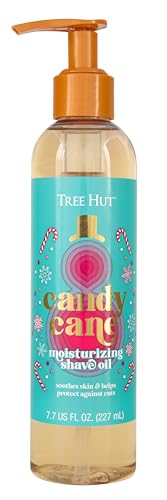
Tree Hut Shaving Oil - Hydrating, Smooth Glide, Vegan, Natural Oils - 7.7 fl oz


Fragrance
High RiskFragrance refers to a mixture of aromatic compounds used in products to provide scent. It is commonly listed as 'fragrance' or 'parfum' on product labels and can serve various functions, including enhancing user experience and masking undesirable odors.

Sustai Insights
Fragrance offers functional benefits by improving product appeal; however, it poses significant health risks, notably a high likelihood of causing allergies and allergic contact dermatitis. Environmental risks include potential pollution and endocrine disruption, though its overall carcinogenicity is low. Regulatory bodies have noted concerns regarding its use, leading to a high-risk classification. Safe usage practices should be observed, and alternatives such as natural essential oils are recommended for those sensitive to synthetic fragrances.
Glycerin
Medium RiskGlycerin (also called glycerol) is a naturally occurring compound commonly used in personal care and cosmetic products. It functions as a humectant, attracting moisture to the skin, and is also utilized as a solvent and emollient to enhance product texture and stability.
Sustai Insights
Glycerin is valued for its effective moisturizing properties and biodegradability, making it a widely accepted ingredient in formulations. It poses low health risks, including low concerns for carcinogenicity and allergies. However, moderate use restrictions exist due to regulatory guidelines. While glycerin does not significantly contribute to environmental pollution, its production process should be ethically sourced. Overall, glycerin holds a medium risk level, emphasizing the importance of safe usage practices and considering sustainable alternatives.
Phenoxyethanol
Medium RiskPhenoxyethanol is a preservative used in cosmetics and personal care products to prevent microbial growth and extend shelf life. It is commonly found in formulations such as lotions, creams, and serums.
Sustai Insights
Phenoxyethanol serves effectively as a preservative, ensuring product stability and safety by inhibiting microbial growth. It is considered to have low health risks regarding carcinogenicity, allergies, and reproductive toxicity. However, moderate use restrictions exist, and regulatory bodies have advised caution in specific applications. Environmental concerns include its potential as a pollutant, although it is not highly bioaccumulative. Overall, the ingredient presents a medium risk level, with safe usage practices recommended and alternative preservatives available for those seeking greener options.
Tocopheryl Acetate
Medium RiskTocopheryl acetate is a chemical compound that serves primarily as a form of Vitamin E. It is used in cosmetic and personal care products for its antioxidant properties and to enhance skin stability and moisture.
Sustai Insights
Tocopheryl acetate is valued for its functional benefits, including acting as an antioxidant and skin conditioning agent. It is generally considered to have low carcinogenicity and reproductive toxicity risk, although it poses a moderate concern for allergies. Environmental risks are minimal, with no significant pollutant or bioaccumulation potential noted. Regulatory bodies have not imposed significant restrictions. Safe usage practices should be followed, particularly regarding enhanced skin absorption. Alternatives like natural Vitamin E may provide similar benefits with potentially lower allergenic properties. Overall, this ingredient presents a medium risk assessment.
Polyquaternium 10
Low RiskPolyquaternium-10 is a synthetic polymer used primarily as a conditioning agent in cosmetic products. It enhances the texture and feel of hair and skin, providing moisture retention and improved manageability. This ingredient is known for its film-forming properties, which can help reduce frizz and static.
Sustai Insights
Polyquaternium-10 offers functional benefits in enhancing moisture retention and improving product texture. It is considered to have low health risks, with minimal concerns regarding carcinogenicity, allergenic potential, and neurotoxicity. Environmentally, it poses low ecotoxicity and is not known to bioaccumulate. Regulatory assessments indicate no significant restrictions, categorizing it as low risk overall. For safe use, it is recommended to follow product guidelines. Alternatives include natural conditioning agents like guar gum or xanthan gum for those seeking plant-based options.
Argania Spinosa (Argan) Kernel Oil
Low RiskArgania spinosa (argan) kernel oil is a fixed oil extracted from the kernels of the argan tree, native to Morocco. It is commonly used in cosmetic formulations for its moisturizing properties, serving as an emollient and skin conditioner.
Sustai Insights
Argania spinosa kernel oil offers functional benefits such as effective hydration and nourishment for the skin and hair. It is sustainably sourced and biodegradable, contributing positively to environmental considerations. Health risks are low, with minimal concerns regarding carcinogenicity, allergies, or reproductive toxicity. There are no current regulatory restrictions on its use. Overall, it poses low risk, making it a suitable ingredient in cosmetic products. Safe usage practices should be maintained, and alternatives like jojoba oil may also be considered for similar benefits.
Avena Sativa (Oat) Kernel Extract
Low RiskAvena sativa (oat) kernel extract is an extract derived from the seeds of the oat plant, commonly used in cosmetic formulations. It serves various functions, including moisturizing and soothing properties, making it a popular choice in skincare products.
Sustai Insights
Avena sativa (oat) kernel extract offers functional benefits such as skin hydration and soothing effects, with a low risk of health concerns, including low potential for carcinogenicity and allergenicity. It is not associated with significant environmental risks and has no major regulatory restrictions. Overall, it is considered a low-risk ingredient, making it a favorable option in cosmetic formulations. Safe usage practices should be followed, though alternatives like aloe vera may also be considered.
Hydroxyacetophenone
Low RiskHydroxyacetophenone is an organic compound commonly used in cosmetic and personal care products. It serves primarily as a skin-conditioning agent and antioxidant, contributing to product stability and performance without imparting subjective effects.
Sustai Insights
Hydroxyacetophenone is valued for its functional benefits, including antioxidant properties that help stabilize formulations. It poses low health risks, with minimal concerns regarding carcinogenicity, allergies, and reproductive toxicity. Environmental impact is also low, with no significant pollutant or bioaccumulation concerns noted. Regulatory assessments do not indicate any restrictions. Safe usage practices should be followed, and while alternatives exist, hydroxyacetophenone is deemed a low-risk ingredient overall.
Allantoin
Low RiskAllantoin is a naturally occurring nitrogenous compound found in various plants and animals. It is commonly used in cosmetic formulations for its soothing and moisturizing properties, as well as its ability to promote skin cell turnover and healing.
Sustai Insights
Allantoin offers functional benefits such as skin soothing, hydration, and promoting cell regeneration. It is generally recognized as safe, with low concerns regarding carcinogenicity, allergies, and reproductive toxicity. Environmentally, it poses minimal risks, being biodegradable and sustainably sourced. Regulatory bodies do not impose significant restrictions on its use. Overall, the risk level associated with allantoin is low, making it a favorable ingredient in personal care products.
Sesamum Indicum (Sesame) Oil
Low RiskSesamum indicum (sesame) oil is derived from the seeds of the sesame plant. It is commonly used in cosmetic formulations due to its emollient properties and ability to nourish the skin. This oil is rich in fatty acids and antioxidants, contributing to its effectiveness in various skincare products.
Sustai Insights
Sesame oil offers several functional benefits, including moisturization and nourishment for the skin, along with potential antioxidant properties. It is generally regarded as safe, with low concerns regarding carcinogenicity, allergies, and reproductive toxicity. Environmental risks are minimal, and the oil is not known to be bioaccumulative. Regulatory bodies do not impose significant restrictions on its use. Overall, sesame oil poses a low risk, making it a viable ingredient in cosmetic formulations, although consumers should consider potential allergies and choose responsibly sourced products.
Glycereth 26
Low RiskGlycereth-26 is a polyethylene glycol ether of glycerol, primarily used as a humectant and emulsifier in cosmetic and personal care products. It aids in moisture retention and enhances the texture and stability of formulations.
Sustai Insights
Glycereth-26 provides effective moisture retention and improves product texture, contributing positively to formulation stability. It has low associated health risks, including minimal concerns regarding carcinogenicity, allergens, and irritation. Environmental hazards are also low, with no significant bioaccumulation or pollution potential. Regulatory agencies have not imposed serious restrictions. Overall, it is considered low risk, making it a suitable ingredient in personal care products. For those seeking alternatives, options such as plant-based emulsifiers may be considered.
Vitis Vinifera (Grape) Seed Oil
Low RiskVitis vinifera (grape) seed oil is derived from the seeds of grapes, primarily used in cosmetics for its emollient properties. It acts as a moisturizer and is often included in formulations for skin care products due to its fatty acid composition and antioxidant potential.
Sustai Insights
Grape seed oil provides functional benefits as an effective moisturizer and antioxidant, contributing to skin hydration and protection. It is sustainably sourced and biodegradable. Health risks are low, with minimal concerns regarding carcinogenicity, allergies, or reproductive toxicity. Environmental impact is also low, with no significant pollutant potential. Regulatory bodies do not impose restrictions on its use. Overall, the ingredient poses a low risk, making it a safe choice in cosmetic formulations.
Water
Low RiskWater is a clear, colorless liquid essential for various biological processes. It serves as a solvent in formulations, facilitating the dissolution of other ingredients and enhancing product texture and application. Additionally, water plays a crucial role in hydration and is a key component in many cosmetic and personal care products.
Sustai Insights
Water is an effective solvent and hydrator, contributing to the texture and efficacy of formulations. It is biodegradable and generally regarded as safe, with low concerns regarding carcinogenicity, allergies, and reproductive toxicity. However, excessive water usage can lead to environmental concerns, particularly regarding resource depletion. Regulatory bodies do not impose restrictions on water use in cosmetics. Overall, the risks associated with water are low, making it a safe and essential ingredient.
Butyrospermum Parkii (Shea) Butter
Low RiskButyrospermum parkii (shea) butter is a vegetable fat derived from the nuts of the shea tree. It is commonly used in cosmetic formulations for its emollient properties, providing moisture and improving skin texture. Additionally, shea butter is known for its ability to enhance the stability of products and deliver a creamy texture.
Sustai Insights
Shea butter offers functional benefits as an effective moisturizer, enhancing skin barrier function and texture. It is sustainably sourced and biodegradable, contributing to eco-friendliness. Health-wise, it is associated with low risks for carcinogenicity, allergies, and reproductive toxicity. Environmental impacts are minimal, with no significant pollutant potential identified. Regulatory assessments indicate no current restrictions. Overall, the ingredient presents a low risk, making it a favorable choice in cosmetic formulations.
Simmondsia Chinensis (Jojoba) Seed Oil
Low RiskSimmondsia chinensis (jojoba) seed oil is extracted from the seeds of the jojoba plant. It is commonly used in cosmetics for its moisturizing properties and ability to mimic human sebum, making it beneficial for skin and hair care formulations.
Sustai Insights
Jojoba seed oil offers functional benefits such as effective moisturization and emollience, contributing to skin hydration and smoothness. It is sustainably sourced and biodegradable. Health risks are low, with minimal concerns regarding carcinogenicity, allergies, and reproductive toxicity. Environmental risks are also low, as it does not significantly contribute to pollution or bioaccumulation. Currently, there are no regulatory restrictions on its use. Overall, the risk level is low, and it is considered a safe ingredient with no significant adverse effects.
Polyquaternium 10
Low RiskPolyquaternium-10 is a synthetic polymer used primarily as a conditioning agent in cosmetic products. It enhances the texture and feel of hair and skin, providing moisture retention and improved manageability. This ingredient is known for its film-forming properties, which can help reduce frizz and static.
Sustai Insights
Polyquaternium-10 offers functional benefits in enhancing moisture retention and improving product texture. It is considered to have low health risks, with minimal concerns regarding carcinogenicity, allergenic potential, and neurotoxicity. Environmentally, it poses low ecotoxicity and is not known to bioaccumulate. Regulatory assessments indicate no significant restrictions, categorizing it as low risk overall. For safe use, it is recommended to follow product guidelines. Alternatives include natural conditioning agents like guar gum or xanthan gum for those seeking plant-based options.
Argania Spinosa (Argan) Kernel Oil
Low RiskArgania spinosa (argan) kernel oil is a fixed oil extracted from the kernels of the argan tree, native to Morocco. It is commonly used in cosmetic formulations for its moisturizing properties, serving as an emollient and skin conditioner.
Sustai Insights
Argania spinosa kernel oil offers functional benefits such as effective hydration and nourishment for the skin and hair. It is sustainably sourced and biodegradable, contributing positively to environmental considerations. Health risks are low, with minimal concerns regarding carcinogenicity, allergies, or reproductive toxicity. There are no current regulatory restrictions on its use. Overall, it poses low risk, making it a suitable ingredient in cosmetic products. Safe usage practices should be maintained, and alternatives like jojoba oil may also be considered for similar benefits.
Avena Sativa (Oat) Kernel Extract
Low RiskAvena sativa (oat) kernel extract is an extract derived from the seeds of the oat plant, commonly used in cosmetic formulations. It serves various functions, including moisturizing and soothing properties, making it a popular choice in skincare products.
Sustai Insights
Avena sativa (oat) kernel extract offers functional benefits such as skin hydration and soothing effects, with a low risk of health concerns, including low potential for carcinogenicity and allergenicity. It is not associated with significant environmental risks and has no major regulatory restrictions. Overall, it is considered a low-risk ingredient, making it a favorable option in cosmetic formulations. Safe usage practices should be followed, though alternatives like aloe vera may also be considered.
Hydroxyacetophenone
Low RiskHydroxyacetophenone is an organic compound commonly used in cosmetic and personal care products. It serves primarily as a skin-conditioning agent and antioxidant, contributing to product stability and performance without imparting subjective effects.
Sustai Insights
Hydroxyacetophenone is valued for its functional benefits, including antioxidant properties that help stabilize formulations. It poses low health risks, with minimal concerns regarding carcinogenicity, allergies, and reproductive toxicity. Environmental impact is also low, with no significant pollutant or bioaccumulation concerns noted. Regulatory assessments do not indicate any restrictions. Safe usage practices should be followed, and while alternatives exist, hydroxyacetophenone is deemed a low-risk ingredient overall.
Allantoin
Low RiskAllantoin is a naturally occurring nitrogenous compound found in various plants and animals. It is commonly used in cosmetic formulations for its soothing and moisturizing properties, as well as its ability to promote skin cell turnover and healing.
Sustai Insights
Allantoin offers functional benefits such as skin soothing, hydration, and promoting cell regeneration. It is generally recognized as safe, with low concerns regarding carcinogenicity, allergies, and reproductive toxicity. Environmentally, it poses minimal risks, being biodegradable and sustainably sourced. Regulatory bodies do not impose significant restrictions on its use. Overall, the risk level associated with allantoin is low, making it a favorable ingredient in personal care products.
Sesamum Indicum (Sesame) Oil
Low RiskSesamum indicum (sesame) oil is derived from the seeds of the sesame plant. It is commonly used in cosmetic formulations due to its emollient properties and ability to nourish the skin. This oil is rich in fatty acids and antioxidants, contributing to its effectiveness in various skincare products.
Sustai Insights
Sesame oil offers several functional benefits, including moisturization and nourishment for the skin, along with potential antioxidant properties. It is generally regarded as safe, with low concerns regarding carcinogenicity, allergies, and reproductive toxicity. Environmental risks are minimal, and the oil is not known to be bioaccumulative. Regulatory bodies do not impose significant restrictions on its use. Overall, sesame oil poses a low risk, making it a viable ingredient in cosmetic formulations, although consumers should consider potential allergies and choose responsibly sourced products.
Glycereth 26
Low RiskGlycereth-26 is a polyethylene glycol ether of glycerol, primarily used as a humectant and emulsifier in cosmetic and personal care products. It aids in moisture retention and enhances the texture and stability of formulations.
Sustai Insights
Glycereth-26 provides effective moisture retention and improves product texture, contributing positively to formulation stability. It has low associated health risks, including minimal concerns regarding carcinogenicity, allergens, and irritation. Environmental hazards are also low, with no significant bioaccumulation or pollution potential. Regulatory agencies have not imposed serious restrictions. Overall, it is considered low risk, making it a suitable ingredient in personal care products. For those seeking alternatives, options such as plant-based emulsifiers may be considered.
Vitis Vinifera (Grape) Seed Oil
Low RiskVitis vinifera (grape) seed oil is derived from the seeds of grapes, primarily used in cosmetics for its emollient properties. It acts as a moisturizer and is often included in formulations for skin care products due to its fatty acid composition and antioxidant potential.
Sustai Insights
Grape seed oil provides functional benefits as an effective moisturizer and antioxidant, contributing to skin hydration and protection. It is sustainably sourced and biodegradable. Health risks are low, with minimal concerns regarding carcinogenicity, allergies, or reproductive toxicity. Environmental impact is also low, with no significant pollutant potential. Regulatory bodies do not impose restrictions on its use. Overall, the ingredient poses a low risk, making it a safe choice in cosmetic formulations.
Water
Low RiskWater is a clear, colorless liquid essential for various biological processes. It serves as a solvent in formulations, facilitating the dissolution of other ingredients and enhancing product texture and application. Additionally, water plays a crucial role in hydration and is a key component in many cosmetic and personal care products.
Sustai Insights
Water is an effective solvent and hydrator, contributing to the texture and efficacy of formulations. It is biodegradable and generally regarded as safe, with low concerns regarding carcinogenicity, allergies, and reproductive toxicity. However, excessive water usage can lead to environmental concerns, particularly regarding resource depletion. Regulatory bodies do not impose restrictions on water use in cosmetics. Overall, the risks associated with water are low, making it a safe and essential ingredient.
Glycerin
Medium RiskGlycerin (also called glycerol) is a naturally occurring compound commonly used in personal care and cosmetic products. It functions as a humectant, attracting moisture to the skin, and is also utilized as a solvent and emollient to enhance product texture and stability.
Sustai Insights
Glycerin is valued for its effective moisturizing properties and biodegradability, making it a widely accepted ingredient in formulations. It poses low health risks, including low concerns for carcinogenicity and allergies. However, moderate use restrictions exist due to regulatory guidelines. While glycerin does not significantly contribute to environmental pollution, its production process should be ethically sourced. Overall, glycerin holds a medium risk level, emphasizing the importance of safe usage practices and considering sustainable alternatives.
Fragrance
High RiskFragrance refers to a mixture of aromatic compounds used in products to provide scent. It is commonly listed as 'fragrance' or 'parfum' on product labels and can serve various functions, including enhancing user experience and masking undesirable odors.
Sustai Insights
Fragrance offers functional benefits by improving product appeal; however, it poses significant health risks, notably a high likelihood of causing allergies and allergic contact dermatitis. Environmental risks include potential pollution and endocrine disruption, though its overall carcinogenicity is low. Regulatory bodies have noted concerns regarding its use, leading to a high-risk classification. Safe usage practices should be observed, and alternatives such as natural essential oils are recommended for those sensitive to synthetic fragrances.
Phenoxyethanol
Medium RiskPhenoxyethanol is a preservative used in cosmetics and personal care products to prevent microbial growth and extend shelf life. It is commonly found in formulations such as lotions, creams, and serums.
Sustai Insights
Phenoxyethanol serves effectively as a preservative, ensuring product stability and safety by inhibiting microbial growth. It is considered to have low health risks regarding carcinogenicity, allergies, and reproductive toxicity. However, moderate use restrictions exist, and regulatory bodies have advised caution in specific applications. Environmental concerns include its potential as a pollutant, although it is not highly bioaccumulative. Overall, the ingredient presents a medium risk level, with safe usage practices recommended and alternative preservatives available for those seeking greener options.
Tocopheryl Acetate
Medium RiskTocopheryl acetate is a chemical compound that serves primarily as a form of Vitamin E. It is used in cosmetic and personal care products for its antioxidant properties and to enhance skin stability and moisture.
Sustai Insights
Tocopheryl acetate is valued for its functional benefits, including acting as an antioxidant and skin conditioning agent. It is generally considered to have low carcinogenicity and reproductive toxicity risk, although it poses a moderate concern for allergies. Environmental risks are minimal, with no significant pollutant or bioaccumulation potential noted. Regulatory bodies have not imposed significant restrictions. Safe usage practices should be followed, particularly regarding enhanced skin absorption. Alternatives like natural Vitamin E may provide similar benefits with potentially lower allergenic properties. Overall, this ingredient presents a medium risk assessment.
Butyrospermum Parkii (Shea) Butter
Low RiskButyrospermum parkii (shea) butter is a vegetable fat derived from the nuts of the shea tree. It is commonly used in cosmetic formulations for its emollient properties, providing moisture and improving skin texture. Additionally, shea butter is known for its ability to enhance the stability of products and deliver a creamy texture.
Sustai Insights
Shea butter offers functional benefits as an effective moisturizer, enhancing skin barrier function and texture. It is sustainably sourced and biodegradable, contributing to eco-friendliness. Health-wise, it is associated with low risks for carcinogenicity, allergies, and reproductive toxicity. Environmental impacts are minimal, with no significant pollutant potential identified. Regulatory assessments indicate no current restrictions. Overall, the ingredient presents a low risk, making it a favorable choice in cosmetic formulations.
Simmondsia Chinensis (Jojoba) Seed Oil
Low RiskSimmondsia chinensis (jojoba) seed oil is extracted from the seeds of the jojoba plant. It is commonly used in cosmetics for its moisturizing properties and ability to mimic human sebum, making it beneficial for skin and hair care formulations.
Sustai Insights
Jojoba seed oil offers functional benefits such as effective moisturization and emollience, contributing to skin hydration and smoothness. It is sustainably sourced and biodegradable. Health risks are low, with minimal concerns regarding carcinogenicity, allergies, and reproductive toxicity. Environmental risks are also low, as it does not significantly contribute to pollution or bioaccumulation. Currently, there are no regulatory restrictions on its use. Overall, the risk level is low, and it is considered a safe ingredient with no significant adverse effects.
Experience the luxurious feel of Tree Hut Bare Candy Cane Hydrating & Moisturizing Shave Oil, a 7.7 fl oz shaving oil crafted for a smooth, irritation-free shave. Infused with a delightful blend of peppermint and vanilla, this vegan formula not only hydrates but also ensures a close glide, leaving your skin soft and refreshed.
- Hydration & Smooth Glide: The unique gel-to-oil formula provides deep hydration for a comfortable shaving experience, ensuring a smooth glide during and after use.
- Irritation Prevention: Proprietary technology enhances the contact between the razor and skin, reducing the risk of nicks and cuts for a close, safe shave.
- Natural Ingredients: Enriched with vanilla bean, peppermint oil, and other natural oils, this shave oil nourishes the skin while delivering a delightful scent.
- Conscious Choice: This product is vegan, paraben-free, sulfate-free, and alcohol-free, making it a safe option for those who prioritize health and sustainability.
- Long-Lasting Fragrance: Inspired by holiday desserts, the fragrant blend of peppermint, creamy caramel, and sweet vanilla offers an uplifting aromatic experience while shaving.
Subscribe & Save with Sustai
- Best Price Guarantee: Always enjoy the lowest prices on sustainable home essentials.
- No Surprises: We’ll notify you before shipping. No hidden fees, ever.
- You’re in Charge: Change, pause, or cancel your subscription anytime with ease.
- Eco-Friendly Deliveries: Our grouped shipments mean less packaging and lower emissions.
Join us on a sustainable journey. Special offers for a limited time! Prices and promotions may change.
Recommended Products


Experience the luxurious feel of Tree Hut Bare Candy Cane Hydrating & Moisturizing Shave Oil, a 7.7 fl oz shaving oil crafted for a smooth, irritation-free shave. Infused with a delightful blend of peppermint and vanilla, this vegan formula not only hydrates but also ensures a close glide, leaving your skin soft and refreshed.
- Hydration & Smooth Glide: The unique gel-to-oil formula provides deep hydration for a comfortable shaving experience, ensuring a smooth glide during and after use.
- Irritation Prevention: Proprietary technology enhances the contact between the razor and skin, reducing the risk of nicks and cuts for a close, safe shave.
- Natural Ingredients: Enriched with vanilla bean, peppermint oil, and other natural oils, this shave oil nourishes the skin while delivering a delightful scent.
- Conscious Choice: This product is vegan, paraben-free, sulfate-free, and alcohol-free, making it a safe option for those who prioritize health and sustainability.
- Long-Lasting Fragrance: Inspired by holiday desserts, the fragrant blend of peppermint, creamy caramel, and sweet vanilla offers an uplifting aromatic experience while shaving.
You can have at most 2 Sustainable Steals products in your cart
Customer Reviews

Customers’ View
Customers express strong satisfaction with Tree Hut's Shaving Oil, highlighting its hydrating properties and effectiveness in preventing skin irritation. Many users appreciate the gel-to-oil texture, which they find enhances the shaving experience by providing a smooth glide and reducing razor bumps. One user noted, 'It made my skin soft and lasts longer than traditional shaving cream,' reflecting a common sentiment of improved skin softness post-shave. The product's natural ingredients, including peppermint oil, align well with health-conscious values, while its clean beauty formulation, being vegan and free from parabens and sulfates, is also well-received. Overall, customers find this shaving oil to be a beneficial addition to their grooming routine, making it a trustworthy option for those seeking effective and eco-friendly alternatives.
AI-generated from the text of customer reviewsThis product has no reviews yet.