

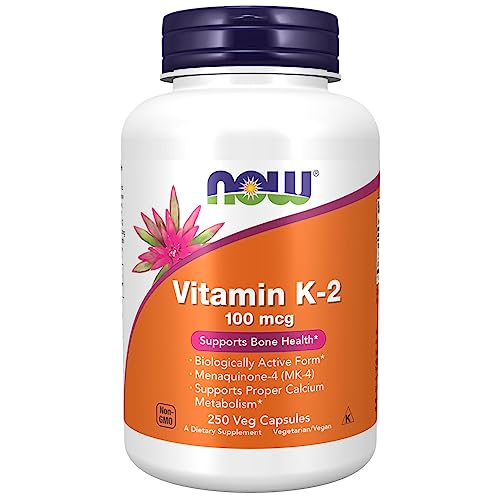


NOW Foods Vitamin K-2 Supplement - Supports Bone Health & Calcium Metabolism - 250 Veg Capsules


Triticum Vulgare (Wheat) Gluten
Medium RiskTriticum vulgare (wheat) gluten is a protein derived from wheat that functions primarily as a binding agent in various food and cosmetic products. It provides texture and elasticity, making it a common ingredient in baked goods and some personal care items.

Sustai Insights
Wheat gluten offers functional benefits such as enhancing product texture and acting as a stabilizer. However, it poses moderate allergenic risks, particularly for individuals with gluten sensitivity or celiac disease. Environmental concerns are low, with no significant pollutant potential noted. Regulatory bodies do not impose major restrictions, but products must be clearly labeled for consumer safety. Overall, the risk level is assessed as medium. Safe usage practices should be observed, especially for sensitive populations, and alternatives like pea protein or other plant-based binders may be considered.
Ascorbyl Palmitate (Vitamin C Palmitate)
Low RiskAscorbyl palmitate, also known as vitamin C palmitate, is a compound formed by the esterification of ascorbic acid (vitamin C) and palmitic acid. It is primarily used in cosmetic and food products for its antioxidant properties and as a stabilizer for formulations containing fats and oils.
Sustai Insights
Ascorbyl palmitate offers functional benefits as an antioxidant, contributing to product stability and potentially enhancing skin health. It is generally regarded as safe, with low concerns regarding carcinogenicity, allergies, and reproductive toxicity. However, there are considerations regarding biochemical changes at a cellular level, and while it poses minimal environmental risks, it is essential to follow regulatory guidelines. Overall, the risk level is low, making it a suitable ingredient in various applications. Alternatives include other antioxidants like tocopherols for similar benefits.
Egg
Low RiskEgg is the entire content of chicken eggs, commonly used as an ingredient in various products for its nutritional and functional properties.
Sustai Insights
Eggs are known for their functional benefits, including serving as a binding agent and providing protein. They are typically sustainably sourced and biodegradable. Health risks are considered low, with minimal concerns regarding carcinogenicity, allergies, or reproductive toxicity. Environmental risks are also low, with no significant pollutant potential. Regulatory bodies do not impose current restrictions on egg usage. Overall, the risk level is low, and safe usage practices should be observed, though alternatives like plant-based substitutes may be considered for those with allergies.
Sand
Low RiskSand is loose, granular particles of worn or disintegrated rock, primarily composed of silica. It is commonly used as an abrasive, filler, or in construction and landscaping for its structural properties.
Sustai Insights
Sand offers functional benefits such as providing bulk and texture in various products, and it is generally considered to have low health risks, with minimal concerns regarding carcinogenicity, allergies, or reproductive toxicity. Environmentally, sand does not contribute significantly to pollution and is not bioaccumulative. Regulatory bodies do not impose restrictions on sand usage, maintaining its low-risk status. Safe usage practices should be followed to avoid inhalation of fine particles. Overall, sand is a low-risk ingredient with no notable negative impacts.
Milk
Low RiskMilk is whole milk from cows, primarily used as a source of nutrition and an ingredient in various food products. It contains proteins, fats, carbohydrates, vitamins, and minerals, contributing to its functional benefits in culinary applications.
Sustai Insights
Milk provides essential nutrients and serves as a versatile ingredient in food, enhancing flavor, texture, and nutritional value. It is generally regarded as safe with low concerns for carcinogenicity, allergies, or developmental toxicity. Environmental risks are minimal, and regulatory bodies impose no significant warnings. However, individuals with lactose intolerance or dairy allergies should exercise caution. Overall, milk is assessed as low risk based on current scientific consensus.
Ascorbyl Palmitate (Vitamin C Palmitate)
Low RiskAscorbyl palmitate, also known as vitamin C palmitate, is a compound formed by the esterification of ascorbic acid (vitamin C) and palmitic acid. It is primarily used in cosmetic and food products for its antioxidant properties and as a stabilizer for formulations containing fats and oils.
Sustai Insights
Ascorbyl palmitate offers functional benefits as an antioxidant, contributing to product stability and potentially enhancing skin health. It is generally regarded as safe, with low concerns regarding carcinogenicity, allergies, and reproductive toxicity. However, there are considerations regarding biochemical changes at a cellular level, and while it poses minimal environmental risks, it is essential to follow regulatory guidelines. Overall, the risk level is low, making it a suitable ingredient in various applications. Alternatives include other antioxidants like tocopherols for similar benefits.
Egg
Low RiskEgg is the entire content of chicken eggs, commonly used as an ingredient in various products for its nutritional and functional properties.
Sustai Insights
Eggs are known for their functional benefits, including serving as a binding agent and providing protein. They are typically sustainably sourced and biodegradable. Health risks are considered low, with minimal concerns regarding carcinogenicity, allergies, or reproductive toxicity. Environmental risks are also low, with no significant pollutant potential. Regulatory bodies do not impose current restrictions on egg usage. Overall, the risk level is low, and safe usage practices should be observed, though alternatives like plant-based substitutes may be considered for those with allergies.
Triticum Vulgare (Wheat) Gluten
Medium RiskTriticum vulgare (wheat) gluten is a protein derived from wheat that functions primarily as a binding agent in various food and cosmetic products. It provides texture and elasticity, making it a common ingredient in baked goods and some personal care items.
Sustai Insights
Wheat gluten offers functional benefits such as enhancing product texture and acting as a stabilizer. However, it poses moderate allergenic risks, particularly for individuals with gluten sensitivity or celiac disease. Environmental concerns are low, with no significant pollutant potential noted. Regulatory bodies do not impose major restrictions, but products must be clearly labeled for consumer safety. Overall, the risk level is assessed as medium. Safe usage practices should be observed, especially for sensitive populations, and alternatives like pea protein or other plant-based binders may be considered.
Sand
Low RiskSand is loose, granular particles of worn or disintegrated rock, primarily composed of silica. It is commonly used as an abrasive, filler, or in construction and landscaping for its structural properties.
Sustai Insights
Sand offers functional benefits such as providing bulk and texture in various products, and it is generally considered to have low health risks, with minimal concerns regarding carcinogenicity, allergies, or reproductive toxicity. Environmentally, sand does not contribute significantly to pollution and is not bioaccumulative. Regulatory bodies do not impose restrictions on sand usage, maintaining its low-risk status. Safe usage practices should be followed to avoid inhalation of fine particles. Overall, sand is a low-risk ingredient with no notable negative impacts.
Milk
Low RiskMilk is whole milk from cows, primarily used as a source of nutrition and an ingredient in various food products. It contains proteins, fats, carbohydrates, vitamins, and minerals, contributing to its functional benefits in culinary applications.
Sustai Insights
Milk provides essential nutrients and serves as a versatile ingredient in food, enhancing flavor, texture, and nutritional value. It is generally regarded as safe with low concerns for carcinogenicity, allergies, or developmental toxicity. Environmental risks are minimal, and regulatory bodies impose no significant warnings. However, individuals with lactose intolerance or dairy allergies should exercise caution. Overall, milk is assessed as low risk based on current scientific consensus.
Discover the power of NOW Foods Vitamin K-2, a premium supplement designed to support bone health and proper calcium metabolism. Each vegetable capsule delivers 100 mcg of biologically active Menaquinone-4, ensuring your body receives optimal benefits for strong bones and cardiovascular support.
- Bone Health Support: Promotes the formation of a healthy bone matrix, crucial for maintaining strong bones as you age.
- Calcium Metabolism: Aids in the proper utilization of calcium in the body, supporting arterial health and overall well-being.
- Quality Assured: Manufactured in a GMP-certified facility, ensuring the highest standards for potency and product formulation.
- Vegan and Allergen-Free: Certified vegan, gluten-free, and non-GMO, making it suitable for most dietary preferences and restrictions.
- Family-Owned Trust: Packaged in the USA by a family-run company since 1968, reflecting a commitment to quality and community impact.
Incorporate NOW Foods Vitamin K-2 into your daily routine for a healthier lifestyle, while supporting sustainable practices.
Subscribe & Save with Sustai
- Best Price Guarantee: Always enjoy the lowest prices on sustainable home essentials.
- No Surprises: We’ll notify you before shipping. No hidden fees, ever.
- You’re in Charge: Change, pause, or cancel your subscription anytime with ease.
- Eco-Friendly Deliveries: Our grouped shipments mean less packaging and lower emissions.
Join us on a sustainable journey. Special offers for a limited time! Prices and promotions may change.
Recommended Products
Discover the power of NOW Foods Vitamin K-2, a premium supplement designed to support bone health and proper calcium metabolism. Each vegetable capsule delivers 100 mcg of biologically active Menaquinone-4, ensuring your body receives optimal benefits for strong bones and cardiovascular support.
- Bone Health Support: Promotes the formation of a healthy bone matrix, crucial for maintaining strong bones as you age.
- Calcium Metabolism: Aids in the proper utilization of calcium in the body, supporting arterial health and overall well-being.
- Quality Assured: Manufactured in a GMP-certified facility, ensuring the highest standards for potency and product formulation.
- Vegan and Allergen-Free: Certified vegan, gluten-free, and non-GMO, making it suitable for most dietary preferences and restrictions.
- Family-Owned Trust: Packaged in the USA by a family-run company since 1968, reflecting a commitment to quality and community impact.
Incorporate NOW Foods Vitamin K-2 into your daily routine for a healthier lifestyle, while supporting sustainable practices.
You can have at most 2 Sustainable Steals products in your cart
Customer Reviews
Customers’ View
Customers appreciate the effectiveness and quality of the Vitamin K-2 supplement, noting its positive impact on bone health and calcium metabolism. Many users highlight that the product is easy to swallow, with remarks like, 'These capsules are easy to swallow,' making it a convenient addition to their daily regimen. The value for money is another common theme, as several customers mention the product's affordability and quality, stating it offers good supplements at a reasonable price. Additionally, users value the product's certifications, including Halal and Non-GMO, aligning with their health-conscious and environmentally aware values. Overall, customers find this Vitamin K-2 supplement to be a reliable choice that supports their wellness goals.
AI-generated from the text of customer reviewsThis product is rated 5.0 of 5.0 stars.
It has received 1 review.