
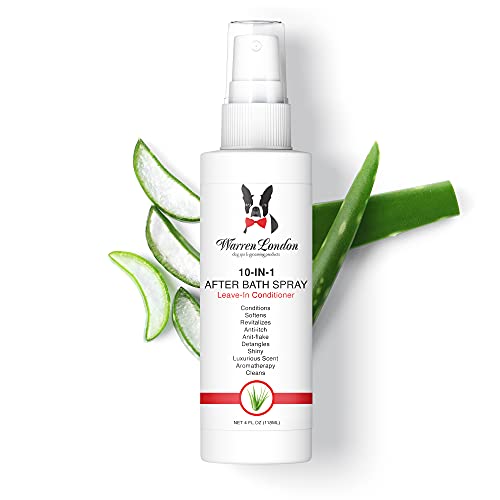
Warren London 10-in-1 Dog Grooming Spray - Conditions, Detangles, & Revitalizes - 4oz


Iodopropynyl Butylcarbamate
High RiskIodopropynyl butylcarbamate is used as a preservative in cosmetic and personal care products to prevent microbial growth and extend shelf life. It is effective against a broad range of bacteria and fungi, making it valuable in formulations requiring preservation.

Sustai Insights
Iodopropynyl butylcarbamate serves as an effective preservative; however, it is associated with allergic contact dermatitis and moderate immunotoxicity risks. Regulatory bodies have imposed high usage restrictions due to its persistence and potential for bioaccumulation, classifying it as a high-risk ingredient overall. Safe usage practices are recommended, and alternatives such as phenoxyethanol or natural preservatives should be considered.
Glycyrrhiza Glabra (Licorice)
Medium RiskGlycyrrhiza glabra (licorice) is a plant material derived from the root of the licorice plant. It is commonly used for its flavoring properties in food and beverages, and for its potential benefits in cosmetic formulations due to its soothing and anti-inflammatory effects.
Sustai Insights
Licorice offers functional benefits, including soothing properties and flavor enhancement. It is generally regarded as having a low risk for cancer, with moderate concerns regarding allergies and neurotoxicity. Environmental risks are low, but regulatory restrictions exist on specific product concentrations. Usage should be cautious, especially for sensitive populations, and alternatives like anise or fennel may be considered for similar benefits. Overall, the ingredient presents a medium risk based on its comprehensive assessment.
Citric Acid
Medium RiskCitric acid is an alpha hydroxy acid used in personal care products primarily for its role as a pH adjuster and natural preservative. It occurs naturally in citrus fruits and is commonly utilized in various formulations for its chelating properties and mild exfoliation benefits.
Sustai Insights
Citric acid offers functional benefits as an effective preservative and pH stabilizer, contributing to product longevity and stability. It is biodegradable and derived from renewable sources. Health risks are low, with minimal concerns regarding carcinogenicity, allergies, and reproductive toxicity. However, moderate use restrictions exist due to potential irritation at high concentrations. Environmental risks are limited, as citric acid is not known to accumulate in ecosystems. Regulatory agencies have no significant advisories against its use. Overall, it is assessed as a medium-risk ingredient, with safe usage practices recommended and alternatives available.
Camellia Sinensis (Green Tea) Leaf Extract
Medium RiskCamellia sinensis (green tea) leaf extract is derived from the leaves of the Camellia sinensis plant, primarily known for its antioxidant properties. It is commonly used in cosmetic formulations for its potential to soothe the skin and provide protective benefits against environmental stressors.
Sustai Insights
Camellia sinensis leaf extract offers functional benefits, including antioxidant properties that may protect the skin from damage and enhance product efficacy. While generally regarded as safe, it presents moderate allergenic potential and low concerns for carcinogenic or reproductive toxicity. Environmental risks are minimal; however, the sourcing practices should be evaluated for sustainability. Regulatory bodies do not impose significant restrictions, indicating a low-risk profile overall. Safe usage practices are advisable, and alternatives include other botanical extracts with similar benefits.
Aesculus Hippocastanum (Horse Chestnut) Extract
Low RiskAesculus hippocastanum (horse chestnut) extract is derived from the seeds of the horse chestnut tree. It is commonly used in cosmetic and personal care products for its potential soothing and anti-inflammatory properties. This extract is primarily utilized for its ability to improve blood circulation and reduce swelling.
Sustai Insights
Aesculus hippocastanum extract offers functional benefits such as promoting circulation and providing anti-inflammatory effects, which can be advantageous in topical applications. It is considered low-risk regarding health concerns, with minimal reports of irritation or allergenic potential. Environmentally, it is not known to contribute to pollution or bioaccumulation. Regulatory bodies do not impose significant restrictions on its use, marking it as safe for application in cosmetics. Overall, the ingredient is assessed as low risk, with no major adverse impacts identified, and it may have safer alternatives like arnica extract for similar benefits.
Aloe Barbadensis (Aloe Vera) Leaf Extract
Low RiskAloe vera leaf extract is produced from the succulent leaves of the Aloe barbadensis plant. It is commonly used in cosmetic formulations for its moisturizing and soothing properties, making it a popular ingredient in skincare and personal care products.
Sustai Insights
Aloe vera leaf extract offers several functional benefits, including hydration and skin soothing effects, which are well-supported by scientific literature. It is considered to have a low risk for common health concerns such as carcinogenicity, allergies, or reproductive toxicity. Environmentally, it poses minimal risks, with no significant pollutant potential or bioaccumulation reported. Regulatory bodies have not imposed major restrictions, although verified products should not contain certain contaminants. Overall, this ingredient is assessed as low risk, with safe usage practices and the availability of alternative soothing agents if desired.
Silk Amino Acids
Low RiskSilk amino acids are a mixture of amino acids derived from silk proteins, primarily used in cosmetic formulations for their moisturizing and conditioning properties. They help improve skin and hair texture, providing a smooth and soft feel, while also enhancing the overall appearance of products.
Sustai Insights
Silk amino acids offer functional benefits such as effective moisturization and conditioning for skin and hair, making them valuable in cosmetic applications. They are considered low risk for health concerns, including carcinogenicity and allergenic potential. Environmental impact is minimal, with no known pollutant or bioaccumulation concerns. Regulatory status is favorable, with no significant restrictions. Recommended usage practices ensure safety, and while alternatives exist, silk amino acids maintain a low overall risk level.
Undeceth 5
Low RiskUndeceth-5 is a polyethylene glycol derivative commonly used in cosmetic formulations. It serves primarily as a surfactant and emulsifier, facilitating the mixing of water with oils. This ingredient is often found in skin care and hair care products due to its ability to enhance texture and stability.
Sustai Insights
Undeceth-5 offers functional benefits as an effective emulsifier and surfactant, contributing to improved product texture and stability. It is generally considered to have low health risks, with minimal concerns regarding carcinogenicity, allergies, and reproductive toxicity. Environmental risks are also low, as it does not significantly pollute air or water and is not bioaccumulative. Regulatory bodies do not impose major restrictions on its use. Overall, safe usage practices should be followed, and alternatives include other mild surfactants if desired. The overall risk assessment is low.
Hydrolyzed Yeast Protein
Low RiskHydrolyzed yeast protein is a hydrolysate derived from yeast, primarily used in cosmetic formulations for its moisturizing and conditioning properties. It serves as a source of amino acids and peptides that can enhance skin and hair texture.
Sustai Insights
Hydrolyzed yeast protein offers functional benefits as a moisturizer and hair conditioner, promoting improved texture and hydration. It is sustainably sourced and generally regarded as safe, with low concerns regarding carcinogenicity, allergies, and reproductive toxicity. Environmental risks are minimal, and it does not bioaccumulate. Regulatory bodies have not issued significant restrictions on its use. Overall, it presents a low risk for health and environmental impacts, making it a favorable choice in formulations.
Water
Low RiskWater is a clear, colorless liquid essential for various biological processes. It serves as a solvent in formulations, facilitating the dissolution of other ingredients and enhancing product texture and application. Additionally, water plays a crucial role in hydration and is a key component in many cosmetic and personal care products.
Sustai Insights
Water is an effective solvent and hydrator, contributing to the texture and efficacy of formulations. It is biodegradable and generally regarded as safe, with low concerns regarding carcinogenicity, allergies, and reproductive toxicity. However, excessive water usage can lead to environmental concerns, particularly regarding resource depletion. Regulatory bodies do not impose restrictions on water use in cosmetics. Overall, the risks associated with water are low, making it a safe and essential ingredient.
Dmd Hydantoin
Low RiskDMDM Hydantoin is a synthetic preservative commonly used in cosmetic and personal care products to inhibit microbial growth and extend shelf life. It functions by releasing formaldehyde, which acts as an antimicrobial agent. It is utilized in various formulations, including shampoos and lotions.
Sustai Insights
DMDM Hydantoin serves effectively as a preservative, helping to maintain product integrity and safety. It is considered low risk regarding cancer, allergies, and reproductive toxicity, with no current use restrictions. However, it may release formaldehyde, which poses irritation risks and concerns about potential sensitization in sensitive populations. Environmentally, it does not significantly contribute to pollution or bioaccumulation. Regulatory bodies have not issued warnings, indicating a low overall risk level. Safe usage practices should be followed, and alternatives like natural preservatives may be considered for those seeking greener options.
Polyglyceryl 2 Caprate
Low RiskPolyglyceryl-2 caprate is an ester derived from capric acid and polyglycerin-2, primarily used as an emulsifier in cosmetic formulations. It helps to blend oil and water-based ingredients, enhancing product texture and stability. This ingredient is recognized for its multifunctional properties in various personal care products.
Sustai Insights
Polyglyceryl-2 caprate offers functional benefits as an effective emulsifier, contributing to product stability and texture. It is considered to have low health risks, with minimal concerns regarding carcinogenicity, allergies, and irritation. Environmentally, it is not identified as a pollutant or bioaccumulative. Regulatory agencies do not impose significant restrictions on its use. Overall, the ingredient is assessed as low risk, making it a safe choice in cosmetic formulations with no significant adverse effects.
Helianthus Annuus (Sunflower) Seed Extract
Low RiskHelianthus annuus (sunflower) seed extract is derived from sunflower seeds and is commonly used in cosmetic formulations for its emollient properties. It serves as a moisturizer and skin-conditioning agent, contributing to the overall texture and feel of products.
Sustai Insights
Helianthus annuus (sunflower) seed extract provides functional benefits such as moisturizing and skin-conditioning, while being sustainably sourced and biodegradable. Health risks are minimal, with low concerns for carcinogenicity, allergies, or reproductive toxicity. Environmental impact is also low, with no evidence of bioaccumulation or significant pollution. Regulatory status indicates no current restrictions. Overall, the ingredient is assessed to have a low risk level, making it a safe choice for cosmetic use.
Hydrolyzed Keratin
Low RiskHydrolyzed keratin is a hydrolysate of keratin, a fibrous protein found in hair, skin, and nails. It is commonly used in cosmetic and personal care products to improve texture and strength, providing conditioning and moisturizing benefits to hair and skin.
Sustai Insights
Hydrolyzed keratin offers functional benefits as a conditioning agent, enhancing the texture and strength of hair and skin, and is often sourced sustainably. Health risks are low, with no significant concerns regarding carcinogenicity or irritancy. Environmental impacts are minimal, and regulatory bodies impose few restrictions. Overall, the risk level is assessed as low, and safe usage practices are recommended. Alternatives like plant-based proteins may offer similar benefits in a more sustainable manner.
Ppg 1 Trideceth 6
Low RiskPPG-1 Trideceth-6 is a polyoxypropylene, polyoxyethylene copolymer primarily used as a surfactant and emulsifier in various cosmetic and personal care products. It aids in enhancing texture and stability, promoting even distribution of ingredients.
Sustai Insights
PPG-1 Trideceth-6 serves as an effective emulsifier, improving product stability and texture. It is generally regarded as safe with low concerns regarding carcinogenicity, allergies, and reproductive toxicity. Environmental risks are minimal, with no significant pollutant or bioaccumulation potential. Regulatory agencies impose few restrictions, indicating a low risk profile. Safe usage practices are advised, and alternatives such as plant-based emulsifiers may be considered for those seeking greener options. Overall, the ingredient presents a low risk assessment.
Polyquaternium 37
Low RiskPolyquaternium-37 is a polymeric quaternary ammonium compound primarily used in cosmetic formulations as a conditioning agent and film-former. It enhances the texture and performance of hair and skin care products, providing smoothness and improved manageability without significant adverse effects on health or the environment.
Sustai Insights
Polyquaternium-37 offers functional benefits by acting as a conditioning agent, improving product texture and manageability in cosmetics. It is deemed low risk in terms of health impacts, showing no significant concerns for carcinogenicity, allergies, or reproductive toxicity. Environmentally, it poses minimal risks, with no known pollution or bioaccumulation issues. Regulatory agencies do not currently impose restrictions on its use. Overall, the assessment indicates a low risk level, and the ingredient is considered safe for consumer use, with no significant adverse effects reported.
Butyloctanol
Low RiskButyloctanol is an alcohol commonly used as an emollient and solvent in various cosmetic and personal care products. It helps improve the texture and spreadability of formulations, enhancing user experience.
Sustai Insights
Butyloctanol serves as an effective emollient, promoting smoother application in products. It is not associated with significant health risks, classified as low for concerns such as carcinogenicity and allergies. Environmentally, it poses low risk regarding pollution and bioaccumulation. Regulatory bodies do not impose restrictions on its use, indicating a favorable safety profile. Safe usage practices should be adhered to, but overall, butyloctanol presents a low-risk status in formulations.
Phenyl Dimethicone
Low RiskPhenyl dimethicone is a siloxane polymer commonly used in cosmetic and personal care products for its ability to provide a smooth, silky texture and enhance product spreadability. It acts as a conditioning agent and film-former, providing a protective barrier on the skin or hair.
Sustai Insights
Phenyl dimethicone offers functional benefits such as improving texture and moisture retention in formulations. It poses low health risks, with minimal concerns regarding carcinogenicity, allergies, or reproductive toxicity. Environmental impacts are also low, with no significant pollutant or bioaccumulation risks. Regulatory assessments show no restrictions, indicating a safe profile for consumer use. Usage should follow recommended guidelines to ensure safety, with alternatives like natural oils available for those seeking plant-based options. Overall, the ingredient is assessed as low risk.
Aesculus Hippocastanum (Horse Chestnut) Extract
Low RiskAesculus hippocastanum (horse chestnut) extract is derived from the seeds of the horse chestnut tree. It is commonly used in cosmetic and personal care products for its potential soothing and anti-inflammatory properties. This extract is primarily utilized for its ability to improve blood circulation and reduce swelling.
Sustai Insights
Aesculus hippocastanum extract offers functional benefits such as promoting circulation and providing anti-inflammatory effects, which can be advantageous in topical applications. It is considered low-risk regarding health concerns, with minimal reports of irritation or allergenic potential. Environmentally, it is not known to contribute to pollution or bioaccumulation. Regulatory bodies do not impose significant restrictions on its use, marking it as safe for application in cosmetics. Overall, the ingredient is assessed as low risk, with no major adverse impacts identified, and it may have safer alternatives like arnica extract for similar benefits.
Aloe Barbadensis (Aloe Vera) Leaf Extract
Low RiskAloe vera leaf extract is produced from the succulent leaves of the Aloe barbadensis plant. It is commonly used in cosmetic formulations for its moisturizing and soothing properties, making it a popular ingredient in skincare and personal care products.
Sustai Insights
Aloe vera leaf extract offers several functional benefits, including hydration and skin soothing effects, which are well-supported by scientific literature. It is considered to have a low risk for common health concerns such as carcinogenicity, allergies, or reproductive toxicity. Environmentally, it poses minimal risks, with no significant pollutant potential or bioaccumulation reported. Regulatory bodies have not imposed major restrictions, although verified products should not contain certain contaminants. Overall, this ingredient is assessed as low risk, with safe usage practices and the availability of alternative soothing agents if desired.
Glycyrrhiza Glabra (Licorice)
Medium RiskGlycyrrhiza glabra (licorice) is a plant material derived from the root of the licorice plant. It is commonly used for its flavoring properties in food and beverages, and for its potential benefits in cosmetic formulations due to its soothing and anti-inflammatory effects.
Sustai Insights
Licorice offers functional benefits, including soothing properties and flavor enhancement. It is generally regarded as having a low risk for cancer, with moderate concerns regarding allergies and neurotoxicity. Environmental risks are low, but regulatory restrictions exist on specific product concentrations. Usage should be cautious, especially for sensitive populations, and alternatives like anise or fennel may be considered for similar benefits. Overall, the ingredient presents a medium risk based on its comprehensive assessment.
Silk Amino Acids
Low RiskSilk amino acids are a mixture of amino acids derived from silk proteins, primarily used in cosmetic formulations for their moisturizing and conditioning properties. They help improve skin and hair texture, providing a smooth and soft feel, while also enhancing the overall appearance of products.
Sustai Insights
Silk amino acids offer functional benefits such as effective moisturization and conditioning for skin and hair, making them valuable in cosmetic applications. They are considered low risk for health concerns, including carcinogenicity and allergenic potential. Environmental impact is minimal, with no known pollutant or bioaccumulation concerns. Regulatory status is favorable, with no significant restrictions. Recommended usage practices ensure safety, and while alternatives exist, silk amino acids maintain a low overall risk level.
Citric Acid
Medium RiskCitric acid is an alpha hydroxy acid used in personal care products primarily for its role as a pH adjuster and natural preservative. It occurs naturally in citrus fruits and is commonly utilized in various formulations for its chelating properties and mild exfoliation benefits.
Sustai Insights
Citric acid offers functional benefits as an effective preservative and pH stabilizer, contributing to product longevity and stability. It is biodegradable and derived from renewable sources. Health risks are low, with minimal concerns regarding carcinogenicity, allergies, and reproductive toxicity. However, moderate use restrictions exist due to potential irritation at high concentrations. Environmental risks are limited, as citric acid is not known to accumulate in ecosystems. Regulatory agencies have no significant advisories against its use. Overall, it is assessed as a medium-risk ingredient, with safe usage practices recommended and alternatives available.
Undeceth 5
Low RiskUndeceth-5 is a polyethylene glycol derivative commonly used in cosmetic formulations. It serves primarily as a surfactant and emulsifier, facilitating the mixing of water with oils. This ingredient is often found in skin care and hair care products due to its ability to enhance texture and stability.
Sustai Insights
Undeceth-5 offers functional benefits as an effective emulsifier and surfactant, contributing to improved product texture and stability. It is generally considered to have low health risks, with minimal concerns regarding carcinogenicity, allergies, and reproductive toxicity. Environmental risks are also low, as it does not significantly pollute air or water and is not bioaccumulative. Regulatory bodies do not impose major restrictions on its use. Overall, safe usage practices should be followed, and alternatives include other mild surfactants if desired. The overall risk assessment is low.
Hydrolyzed Yeast Protein
Low RiskHydrolyzed yeast protein is a hydrolysate derived from yeast, primarily used in cosmetic formulations for its moisturizing and conditioning properties. It serves as a source of amino acids and peptides that can enhance skin and hair texture.
Sustai Insights
Hydrolyzed yeast protein offers functional benefits as a moisturizer and hair conditioner, promoting improved texture and hydration. It is sustainably sourced and generally regarded as safe, with low concerns regarding carcinogenicity, allergies, and reproductive toxicity. Environmental risks are minimal, and it does not bioaccumulate. Regulatory bodies have not issued significant restrictions on its use. Overall, it presents a low risk for health and environmental impacts, making it a favorable choice in formulations.
Water
Low RiskWater is a clear, colorless liquid essential for various biological processes. It serves as a solvent in formulations, facilitating the dissolution of other ingredients and enhancing product texture and application. Additionally, water plays a crucial role in hydration and is a key component in many cosmetic and personal care products.
Sustai Insights
Water is an effective solvent and hydrator, contributing to the texture and efficacy of formulations. It is biodegradable and generally regarded as safe, with low concerns regarding carcinogenicity, allergies, and reproductive toxicity. However, excessive water usage can lead to environmental concerns, particularly regarding resource depletion. Regulatory bodies do not impose restrictions on water use in cosmetics. Overall, the risks associated with water are low, making it a safe and essential ingredient.
Dmd Hydantoin
Low RiskDMDM Hydantoin is a synthetic preservative commonly used in cosmetic and personal care products to inhibit microbial growth and extend shelf life. It functions by releasing formaldehyde, which acts as an antimicrobial agent. It is utilized in various formulations, including shampoos and lotions.
Sustai Insights
DMDM Hydantoin serves effectively as a preservative, helping to maintain product integrity and safety. It is considered low risk regarding cancer, allergies, and reproductive toxicity, with no current use restrictions. However, it may release formaldehyde, which poses irritation risks and concerns about potential sensitization in sensitive populations. Environmentally, it does not significantly contribute to pollution or bioaccumulation. Regulatory bodies have not issued warnings, indicating a low overall risk level. Safe usage practices should be followed, and alternatives like natural preservatives may be considered for those seeking greener options.
Polyglyceryl 2 Caprate
Low RiskPolyglyceryl-2 caprate is an ester derived from capric acid and polyglycerin-2, primarily used as an emulsifier in cosmetic formulations. It helps to blend oil and water-based ingredients, enhancing product texture and stability. This ingredient is recognized for its multifunctional properties in various personal care products.
Sustai Insights
Polyglyceryl-2 caprate offers functional benefits as an effective emulsifier, contributing to product stability and texture. It is considered to have low health risks, with minimal concerns regarding carcinogenicity, allergies, and irritation. Environmentally, it is not identified as a pollutant or bioaccumulative. Regulatory agencies do not impose significant restrictions on its use. Overall, the ingredient is assessed as low risk, making it a safe choice in cosmetic formulations with no significant adverse effects.
Iodopropynyl Butylcarbamate
High RiskIodopropynyl butylcarbamate is used as a preservative in cosmetic and personal care products to prevent microbial growth and extend shelf life. It is effective against a broad range of bacteria and fungi, making it valuable in formulations requiring preservation.
Sustai Insights
Iodopropynyl butylcarbamate serves as an effective preservative; however, it is associated with allergic contact dermatitis and moderate immunotoxicity risks. Regulatory bodies have imposed high usage restrictions due to its persistence and potential for bioaccumulation, classifying it as a high-risk ingredient overall. Safe usage practices are recommended, and alternatives such as phenoxyethanol or natural preservatives should be considered.
Helianthus Annuus (Sunflower) Seed Extract
Low RiskHelianthus annuus (sunflower) seed extract is derived from sunflower seeds and is commonly used in cosmetic formulations for its emollient properties. It serves as a moisturizer and skin-conditioning agent, contributing to the overall texture and feel of products.
Sustai Insights
Helianthus annuus (sunflower) seed extract provides functional benefits such as moisturizing and skin-conditioning, while being sustainably sourced and biodegradable. Health risks are minimal, with low concerns for carcinogenicity, allergies, or reproductive toxicity. Environmental impact is also low, with no evidence of bioaccumulation or significant pollution. Regulatory status indicates no current restrictions. Overall, the ingredient is assessed to have a low risk level, making it a safe choice for cosmetic use.
Hydrolyzed Keratin
Low RiskHydrolyzed keratin is a hydrolysate of keratin, a fibrous protein found in hair, skin, and nails. It is commonly used in cosmetic and personal care products to improve texture and strength, providing conditioning and moisturizing benefits to hair and skin.
Sustai Insights
Hydrolyzed keratin offers functional benefits as a conditioning agent, enhancing the texture and strength of hair and skin, and is often sourced sustainably. Health risks are low, with no significant concerns regarding carcinogenicity or irritancy. Environmental impacts are minimal, and regulatory bodies impose few restrictions. Overall, the risk level is assessed as low, and safe usage practices are recommended. Alternatives like plant-based proteins may offer similar benefits in a more sustainable manner.
Ppg 1 Trideceth 6
Low RiskPPG-1 Trideceth-6 is a polyoxypropylene, polyoxyethylene copolymer primarily used as a surfactant and emulsifier in various cosmetic and personal care products. It aids in enhancing texture and stability, promoting even distribution of ingredients.
Sustai Insights
PPG-1 Trideceth-6 serves as an effective emulsifier, improving product stability and texture. It is generally regarded as safe with low concerns regarding carcinogenicity, allergies, and reproductive toxicity. Environmental risks are minimal, with no significant pollutant or bioaccumulation potential. Regulatory agencies impose few restrictions, indicating a low risk profile. Safe usage practices are advised, and alternatives such as plant-based emulsifiers may be considered for those seeking greener options. Overall, the ingredient presents a low risk assessment.
Polyquaternium 37
Low RiskPolyquaternium-37 is a polymeric quaternary ammonium compound primarily used in cosmetic formulations as a conditioning agent and film-former. It enhances the texture and performance of hair and skin care products, providing smoothness and improved manageability without significant adverse effects on health or the environment.
Sustai Insights
Polyquaternium-37 offers functional benefits by acting as a conditioning agent, improving product texture and manageability in cosmetics. It is deemed low risk in terms of health impacts, showing no significant concerns for carcinogenicity, allergies, or reproductive toxicity. Environmentally, it poses minimal risks, with no known pollution or bioaccumulation issues. Regulatory agencies do not currently impose restrictions on its use. Overall, the assessment indicates a low risk level, and the ingredient is considered safe for consumer use, with no significant adverse effects reported.
Butyloctanol
Low RiskButyloctanol is an alcohol commonly used as an emollient and solvent in various cosmetic and personal care products. It helps improve the texture and spreadability of formulations, enhancing user experience.
Sustai Insights
Butyloctanol serves as an effective emollient, promoting smoother application in products. It is not associated with significant health risks, classified as low for concerns such as carcinogenicity and allergies. Environmentally, it poses low risk regarding pollution and bioaccumulation. Regulatory bodies do not impose restrictions on its use, indicating a favorable safety profile. Safe usage practices should be adhered to, but overall, butyloctanol presents a low-risk status in formulations.
Camellia Sinensis (Green Tea) Leaf Extract
Medium RiskCamellia sinensis (green tea) leaf extract is derived from the leaves of the Camellia sinensis plant, primarily known for its antioxidant properties. It is commonly used in cosmetic formulations for its potential to soothe the skin and provide protective benefits against environmental stressors.
Sustai Insights
Camellia sinensis leaf extract offers functional benefits, including antioxidant properties that may protect the skin from damage and enhance product efficacy. While generally regarded as safe, it presents moderate allergenic potential and low concerns for carcinogenic or reproductive toxicity. Environmental risks are minimal; however, the sourcing practices should be evaluated for sustainability. Regulatory bodies do not impose significant restrictions, indicating a low-risk profile overall. Safe usage practices are advisable, and alternatives include other botanical extracts with similar benefits.
Phenyl Dimethicone
Low RiskPhenyl dimethicone is a siloxane polymer commonly used in cosmetic and personal care products for its ability to provide a smooth, silky texture and enhance product spreadability. It acts as a conditioning agent and film-former, providing a protective barrier on the skin or hair.
Sustai Insights
Phenyl dimethicone offers functional benefits such as improving texture and moisture retention in formulations. It poses low health risks, with minimal concerns regarding carcinogenicity, allergies, or reproductive toxicity. Environmental impacts are also low, with no significant pollutant or bioaccumulation risks. Regulatory assessments show no restrictions, indicating a safe profile for consumer use. Usage should follow recommended guidelines to ensure safety, with alternatives like natural oils available for those seeking plant-based options. Overall, the ingredient is assessed as low risk.
Transform your pet's grooming routine with the Warren London 10-in-1 After Bath Dog Spray. This versatile leave-in conditioner not only detangles but also revitalizes your dog's coat while ensuring a luxurious scent. Perfect for environmentally-conscious pet owners, this spray is made in the USA with natural ingredients like aloe vera and green tea extract, ensuring a safe and gentle grooming experience for your furry friend.
- Comprehensive Care: Enjoy ten amazing benefits including conditioning, detangling, and itch prevention, all in one easy spray.
- Natural Ingredients: Infused with aloe vera, silk amino acids, and green tea extract, it promotes healthy skin and coat without disrupting topical flea treatments.
- All-Coat Compatibility: Safe for all dog breeds and even cats, it works wonders on tough-to-brush coats and helps refresh after bathing.
- User-Friendly Application: Simply spray, massage, and brush through for a smooth finish—no rinsing required!
- Commitment to Ethics: Proudly cruelty-free and made in the USA, supporting both your pet's health and ethical practices.
Subscribe & Save with Sustai
- Best Price Guarantee: Always enjoy the lowest prices on sustainable home essentials.
- No Surprises: We’ll notify you before shipping. No hidden fees, ever.
- You’re in Charge: Change, pause, or cancel your subscription anytime with ease.
- Eco-Friendly Deliveries: Our grouped shipments mean less packaging and lower emissions.
Join us on a sustainable journey. Special offers for a limited time! Prices and promotions may change.
Recommended Products
Transform your pet's grooming routine with the Warren London 10-in-1 After Bath Dog Spray. This versatile leave-in conditioner not only detangles but also revitalizes your dog's coat while ensuring a luxurious scent. Perfect for environmentally-conscious pet owners, this spray is made in the USA with natural ingredients like aloe vera and green tea extract, ensuring a safe and gentle grooming experience for your furry friend.
- Comprehensive Care: Enjoy ten amazing benefits including conditioning, detangling, and itch prevention, all in one easy spray.
- Natural Ingredients: Infused with aloe vera, silk amino acids, and green tea extract, it promotes healthy skin and coat without disrupting topical flea treatments.
- All-Coat Compatibility: Safe for all dog breeds and even cats, it works wonders on tough-to-brush coats and helps refresh after bathing.
- User-Friendly Application: Simply spray, massage, and brush through for a smooth finish—no rinsing required!
- Commitment to Ethics: Proudly cruelty-free and made in the USA, supporting both your pet's health and ethical practices.
You can have at most 2 Sustainable Steals products in your cart
Customer Reviews

Customers’ View
Customers generally appreciate the effectiveness and pleasant aroma of the Dog Spray Leave-in Conditioner. Many highlight the product's ability to soften and shine their pets' coats, with comments such as, "Pups smell great and coats stay soft!" Users also value the natural ingredients, including aloe vera and green tea, which contribute to the health of their pets' skin. The spray is noted for its detangling properties, making grooming easier and more manageable. However, opinions are mixed regarding value for money and spray effectiveness, with some customers mentioning issues with the spray nozzle or the bottle's quality. Overall, this product aligns well with the preferences of environmentally and health-conscious consumers, as it combines functionality with a focus on pet well-being.
AI-generated from the text of customer reviewsThis product has no reviews yet.