

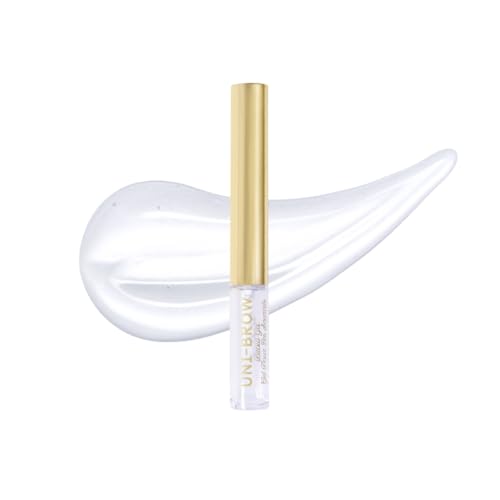
Winky Lux Uni-Brow Gel - Long-Lasting Hold, Clear Formula, Precise Application - 0.25oz


Propylene Glycol
Medium RiskPropylene glycol is a small organic alcohol commonly used in cosmetics and personal care products as a humectant, solvent, and emulsifier. It helps retain moisture, enhances product texture, and aids in the delivery of active ingredients.
Sustai Insights
Propylene glycol serves vital functional benefits, including moisture retention and product stability. It is generally recognized as safe with low concerns for carcinogenicity and developmental toxicity. However, there may be moderate allergenic potential for some individuals. Environmentally, it poses minimal pollution risks and is not bioaccumulative. Regulatory bodies do not impose significant restrictions on its use. Overall, it presents a medium risk due to its allergenic potential and the need for cautious usage in sensitive populations.
Glycerin
Medium RiskGlycerin (also called glycerol) is a naturally occurring compound commonly used in personal care and cosmetic products. It functions as a humectant, attracting moisture to the skin, and is also utilized as a solvent and emollient to enhance product texture and stability.
Sustai Insights
Glycerin is valued for its effective moisturizing properties and biodegradability, making it a widely accepted ingredient in formulations. It poses low health risks, including low concerns for carcinogenicity and allergies. However, moderate use restrictions exist due to regulatory guidelines. While glycerin does not significantly contribute to environmental pollution, its production process should be ethically sourced. Overall, glycerin holds a medium risk level, emphasizing the importance of safe usage practices and considering sustainable alternatives.
Phenoxyethanol
Medium RiskPhenoxyethanol is a preservative used in cosmetics and personal care products to prevent microbial growth and extend shelf life. It is commonly found in formulations such as lotions, creams, and serums.
Sustai Insights
Phenoxyethanol serves effectively as a preservative, ensuring product stability and safety by inhibiting microbial growth. It is considered to have low health risks regarding carcinogenicity, allergies, and reproductive toxicity. However, moderate use restrictions exist, and regulatory bodies have advised caution in specific applications. Environmental concerns include its potential as a pollutant, although it is not highly bioaccumulative. Overall, the ingredient presents a medium risk level, with safe usage practices recommended and alternative preservatives available for those seeking greener options.
Alcohol Denatured
Low RiskAlcohol denatured, also known as specially denatured (SD) alcohol, is a mixture of ethanol and other substances that render it unsuitable for consumption. It is commonly used in cosmetic and personal care products as a solvent, preservative, and penetration enhancer, facilitating the absorption of other ingredients.
Sustai Insights
Alcohol denatured offers functional benefits as a solvent and preservative, aiding in the formulation of various products. It is not associated with significant health risks, with low concerns regarding carcinogenicity, allergies, and reproductive toxicity. Environmental risks are minimal, and it is not classified as a pollutant. Regulatory bodies do not impose major restrictions on its use, indicating a low overall risk level. Safe usage practices should be followed to minimize exposure, and alternative solvents can be considered for those seeking greener options.
Carbomer
Low RiskCarbomer is a large polymeric chemical compound primarily used as a thickening agent in various cosmetic and personal care products. It enhances the texture and stability of formulations, making it effective in creams, gels, and lotions.
Sustai Insights
Carbomer serves as an effective thickening agent, improving product texture and stability. It is considered low-risk concerning health concerns such as carcinogenicity, allergenicity, and reproductive toxicity. While irritation may occur with skin or eye contact, the overall health and environmental risks are minimal. Regulatory bodies have not placed significant restrictions on carbomer, supporting its safety for use in formulations. Safe usage practices should be followed to minimize irritation potential. Alternatives like xanthan gum or guar gum may provide similar benefits with a natural profile. Overall, the ingredient is assessed as low risk.
Vp/Va Copolymer
Low RiskVP/VA copolymer is a synthetic vinyl polymer commonly used in cosmetic formulations. It functions primarily as a film-forming agent, providing texture and stability to products while aiding in adhesion and water resistance.
Sustai Insights
VP/VA copolymer offers effective film-forming properties, enhancing product stability and wear. It poses low health risks, with no significant concerns regarding carcinogenicity, allergies, or developmental toxicity. Environmental impacts are minimal, as it is not a known pollutant or bioaccumulative. Regulatory status shows no major restrictions, indicating overall low risk. For safe usage, it is advisable to follow product guidelines. Alternatives like natural film formers may be considered for those seeking more sustainable options.
Aminomethyl Propanediol
Low RiskAminomethyl propanediol is a substituted aliphatic alcohol used primarily in cosmetic formulations as a humectant and skin-conditioning agent. It functions to improve product texture and helps retain moisture in the skin.
Sustai Insights
Aminomethyl propanediol is effective as a humectant, enhancing the moisturizing properties of cosmetic products while being low in common health concerns such as cancer, allergies, and reproductive toxicity. Environmental contamination concerns exist, but its overall risk level is low, with no significant regulatory warnings. Safe usage practices should be observed, and alternatives like glycerin may be considered for similar benefits in formulation.
Water
Low RiskWater is a clear, colorless liquid essential for various biological processes. It serves as a solvent in formulations, facilitating the dissolution of other ingredients and enhancing product texture and application. Additionally, water plays a crucial role in hydration and is a key component in many cosmetic and personal care products.
Sustai Insights
Water is an effective solvent and hydrator, contributing to the texture and efficacy of formulations. It is biodegradable and generally regarded as safe, with low concerns regarding carcinogenicity, allergies, and reproductive toxicity. However, excessive water usage can lead to environmental concerns, particularly regarding resource depletion. Regulatory bodies do not impose restrictions on water use in cosmetics. Overall, the risks associated with water are low, making it a safe and essential ingredient.
Panthenol
Low RiskPanthenol, a derivative of vitamin B5, is commonly used in cosmetic formulations for its moisturizing and skin-conditioning properties. It acts as a humectant, helping to retain moisture in the skin and hair, thereby improving hydration and texture.
Sustai Insights
Panthenol offers functional benefits such as effective hydration and skin conditioning, making it valuable in various cosmetic products. It is considered low risk regarding health impacts, with minimal concerns about carcinogenicity, allergies, or reproductive toxicity. Environmental risks are also low, with no significant pollutant or bioaccumulation potential. Regulatory bodies have not imposed restrictions on its use. Safe usage practices include adhering to recommended concentrations. Alternatives like glycerin may provide similar moisturizing benefits, but overall, panthenol is assessed as a low-risk ingredient.
Ethylhexylglycerin
Low RiskEthylhexylglycerin is a glyceryl ether utilized primarily as a skin-conditioning agent and preservative in cosmetic formulations. It enhances the efficacy of preservatives and serves as a humectant, helping to retain moisture in the skin. This ingredient is commonly found in various personal care products.
Sustai Insights
Ethylhexylglycerin offers functional benefits as an effective preservative and skin-conditioning agent, contributing to product longevity and moisture retention. Health risks are generally low, with minor concerns regarding allergic contact dermatitis and irritant potential. Environmentally, it poses minimal risks, not being recognized as a pollutant or bioaccumulative. Regulatory bodies have imposed few restrictions, indicating its safety for use. Overall, its risk level is assessed as low, making it a viable option in cosmetic formulations. For those seeking alternatives, ingredients like propanediol may serve similar functions with potentially lower irritation profiles.
Alcohol Denatured
Low RiskAlcohol denatured, also known as specially denatured (SD) alcohol, is a mixture of ethanol and other substances that render it unsuitable for consumption. It is commonly used in cosmetic and personal care products as a solvent, preservative, and penetration enhancer, facilitating the absorption of other ingredients.
Sustai Insights
Alcohol denatured offers functional benefits as a solvent and preservative, aiding in the formulation of various products. It is not associated with significant health risks, with low concerns regarding carcinogenicity, allergies, and reproductive toxicity. Environmental risks are minimal, and it is not classified as a pollutant. Regulatory bodies do not impose major restrictions on its use, indicating a low overall risk level. Safe usage practices should be followed to minimize exposure, and alternative solvents can be considered for those seeking greener options.
Carbomer
Low RiskCarbomer is a large polymeric chemical compound primarily used as a thickening agent in various cosmetic and personal care products. It enhances the texture and stability of formulations, making it effective in creams, gels, and lotions.
Sustai Insights
Carbomer serves as an effective thickening agent, improving product texture and stability. It is considered low-risk concerning health concerns such as carcinogenicity, allergenicity, and reproductive toxicity. While irritation may occur with skin or eye contact, the overall health and environmental risks are minimal. Regulatory bodies have not placed significant restrictions on carbomer, supporting its safety for use in formulations. Safe usage practices should be followed to minimize irritation potential. Alternatives like xanthan gum or guar gum may provide similar benefits with a natural profile. Overall, the ingredient is assessed as low risk.
Vp/Va Copolymer
Low RiskVP/VA copolymer is a synthetic vinyl polymer commonly used in cosmetic formulations. It functions primarily as a film-forming agent, providing texture and stability to products while aiding in adhesion and water resistance.
Sustai Insights
VP/VA copolymer offers effective film-forming properties, enhancing product stability and wear. It poses low health risks, with no significant concerns regarding carcinogenicity, allergies, or developmental toxicity. Environmental impacts are minimal, as it is not a known pollutant or bioaccumulative. Regulatory status shows no major restrictions, indicating overall low risk. For safe usage, it is advisable to follow product guidelines. Alternatives like natural film formers may be considered for those seeking more sustainable options.
Aminomethyl Propanediol
Low RiskAminomethyl propanediol is a substituted aliphatic alcohol used primarily in cosmetic formulations as a humectant and skin-conditioning agent. It functions to improve product texture and helps retain moisture in the skin.
Sustai Insights
Aminomethyl propanediol is effective as a humectant, enhancing the moisturizing properties of cosmetic products while being low in common health concerns such as cancer, allergies, and reproductive toxicity. Environmental contamination concerns exist, but its overall risk level is low, with no significant regulatory warnings. Safe usage practices should be observed, and alternatives like glycerin may be considered for similar benefits in formulation.
Propylene Glycol
Medium RiskPropylene glycol is a small organic alcohol commonly used in cosmetics and personal care products as a humectant, solvent, and emulsifier. It helps retain moisture, enhances product texture, and aids in the delivery of active ingredients.
Sustai Insights
Propylene glycol serves vital functional benefits, including moisture retention and product stability. It is generally recognized as safe with low concerns for carcinogenicity and developmental toxicity. However, there may be moderate allergenic potential for some individuals. Environmentally, it poses minimal pollution risks and is not bioaccumulative. Regulatory bodies do not impose significant restrictions on its use. Overall, it presents a medium risk due to its allergenic potential and the need for cautious usage in sensitive populations.
Water
Low RiskWater is a clear, colorless liquid essential for various biological processes. It serves as a solvent in formulations, facilitating the dissolution of other ingredients and enhancing product texture and application. Additionally, water plays a crucial role in hydration and is a key component in many cosmetic and personal care products.
Sustai Insights
Water is an effective solvent and hydrator, contributing to the texture and efficacy of formulations. It is biodegradable and generally regarded as safe, with low concerns regarding carcinogenicity, allergies, and reproductive toxicity. However, excessive water usage can lead to environmental concerns, particularly regarding resource depletion. Regulatory bodies do not impose restrictions on water use in cosmetics. Overall, the risks associated with water are low, making it a safe and essential ingredient.
Glycerin
Medium RiskGlycerin (also called glycerol) is a naturally occurring compound commonly used in personal care and cosmetic products. It functions as a humectant, attracting moisture to the skin, and is also utilized as a solvent and emollient to enhance product texture and stability.
Sustai Insights
Glycerin is valued for its effective moisturizing properties and biodegradability, making it a widely accepted ingredient in formulations. It poses low health risks, including low concerns for carcinogenicity and allergies. However, moderate use restrictions exist due to regulatory guidelines. While glycerin does not significantly contribute to environmental pollution, its production process should be ethically sourced. Overall, glycerin holds a medium risk level, emphasizing the importance of safe usage practices and considering sustainable alternatives.
Panthenol
Low RiskPanthenol, a derivative of vitamin B5, is commonly used in cosmetic formulations for its moisturizing and skin-conditioning properties. It acts as a humectant, helping to retain moisture in the skin and hair, thereby improving hydration and texture.
Sustai Insights
Panthenol offers functional benefits such as effective hydration and skin conditioning, making it valuable in various cosmetic products. It is considered low risk regarding health impacts, with minimal concerns about carcinogenicity, allergies, or reproductive toxicity. Environmental risks are also low, with no significant pollutant or bioaccumulation potential. Regulatory bodies have not imposed restrictions on its use. Safe usage practices include adhering to recommended concentrations. Alternatives like glycerin may provide similar moisturizing benefits, but overall, panthenol is assessed as a low-risk ingredient.
Phenoxyethanol
Medium RiskPhenoxyethanol is a preservative used in cosmetics and personal care products to prevent microbial growth and extend shelf life. It is commonly found in formulations such as lotions, creams, and serums.
Sustai Insights
Phenoxyethanol serves effectively as a preservative, ensuring product stability and safety by inhibiting microbial growth. It is considered to have low health risks regarding carcinogenicity, allergies, and reproductive toxicity. However, moderate use restrictions exist, and regulatory bodies have advised caution in specific applications. Environmental concerns include its potential as a pollutant, although it is not highly bioaccumulative. Overall, the ingredient presents a medium risk level, with safe usage practices recommended and alternative preservatives available for those seeking greener options.
Ethylhexylglycerin
Low RiskEthylhexylglycerin is a glyceryl ether utilized primarily as a skin-conditioning agent and preservative in cosmetic formulations. It enhances the efficacy of preservatives and serves as a humectant, helping to retain moisture in the skin. This ingredient is commonly found in various personal care products.
Sustai Insights
Ethylhexylglycerin offers functional benefits as an effective preservative and skin-conditioning agent, contributing to product longevity and moisture retention. Health risks are generally low, with minor concerns regarding allergic contact dermatitis and irritant potential. Environmentally, it poses minimal risks, not being recognized as a pollutant or bioaccumulative. Regulatory bodies have imposed few restrictions, indicating its safety for use. Overall, its risk level is assessed as low, making it a viable option in cosmetic formulations. For those seeking alternatives, ingredients like propanediol may serve similar functions with potentially lower irritation profiles.
Discover perfect brows with Winky Lux Uni-Brow Gel, a clear eyebrow gel designed for all hair colors and textures. This innovative formula controls unruly brows while ensuring a natural look, making it a must-have for every makeup routine.
- All-Day Hold: The unique silicone comb applicator effortlessly shapes and tames brows, providing a long-lasting hold without stiffness.
- Versatile Use: Ideal for solo use or paired with Uni-Brow pencils, this gel locks in color for a polished appearance.
- Clean Beauty Commitment: Winky Lux is plastic neutral, cruelty-free, and free from harmful additives like phthalates and sulfates, supporting a healthier planet.
- User-Friendly Application: Designed for easy use, simply brush through clean brows for an instantly refined look.
- Eco-Conscious Packaging: Join a brand that prioritizes sustainability and ethical practices, ensuring your beauty routine is kind to the Earth.
Subscribe & Save with Sustai
- Best Price Guarantee: Always enjoy the lowest prices on sustainable home essentials.
- No Surprises: We’ll notify you before shipping. No hidden fees, ever.
- You’re in Charge: Change, pause, or cancel your subscription anytime with ease.
- Eco-Friendly Deliveries: Our grouped shipments mean less packaging and lower emissions.
Join us on a sustainable journey. Special offers for a limited time! Prices and promotions may change.
Recommended Products


Discover perfect brows with Winky Lux Uni-Brow Gel, a clear eyebrow gel designed for all hair colors and textures. This innovative formula controls unruly brows while ensuring a natural look, making it a must-have for every makeup routine.
- All-Day Hold: The unique silicone comb applicator effortlessly shapes and tames brows, providing a long-lasting hold without stiffness.
- Versatile Use: Ideal for solo use or paired with Uni-Brow pencils, this gel locks in color for a polished appearance.
- Clean Beauty Commitment: Winky Lux is plastic neutral, cruelty-free, and free from harmful additives like phthalates and sulfates, supporting a healthier planet.
- User-Friendly Application: Designed for easy use, simply brush through clean brows for an instantly refined look.
- Eco-Conscious Packaging: Join a brand that prioritizes sustainability and ethical practices, ensuring your beauty routine is kind to the Earth.
You can have at most 2 Sustainable Steals products in your cart
Customer Reviews

Customers’ View
Customers generally appreciate the effectiveness and clean formulation of the Winky Lux Eyebrow Gel. Many users highlight its all-day hold, emphasizing that it keeps brows in place without stiffness or flaking. One customer noted, 'It helps to brush and hold the brow hairs in the direction that I want them to go,' reflecting the product's ability to provide a neat appearance. The unique silicone comb applicator is also praised for its precision, making application easy and effective. Additionally, the gel is celebrated for its clean ingredients, being free from phthalates, sulfates, and parabens, which aligns with health-conscious values. However, some users mentioned that it may not provide enough hold for thicker brows, indicating that results can vary based on individual brow types. Overall, customers find this product to be a reliable, eco-friendly choice that complements their grooming routine.
AI-generated from the text of customer reviewsThis product is rated 4.4 of 5.0 stars.
It has received 5 reviews.