

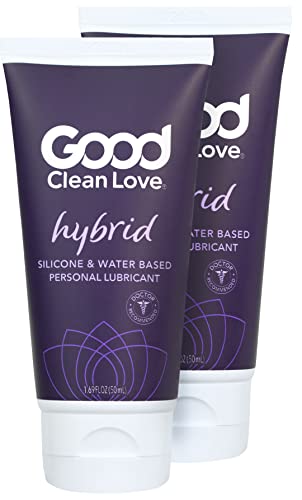


Good Clean Love Personal Lubricant - Long-Lasting Hydration with Hyaluronic Acid - 1.69 Oz (2-Pack)


Lactic Acid, L
High RiskLactic acid is an organic acid commonly used in cosmetics and skincare products as an exfoliant and pH regulator. It helps in improving skin texture and hydration by promoting the shedding of dead skin cells and enhancing moisture retention.
Sustai Insights
Lactic acid offers functional benefits as an effective exfoliant and moisturizer, contributing to improved skin appearance. However, it poses potential risks, including skin irritation and enhanced absorption, which may lead to adverse effects. Regulatory bodies have noted use restrictions due to these concerns. Overall, the ingredient is considered high risk, necessitating cautious usage, particularly for sensitive skin. Alternatives like glycolic acid may provide similar benefits with potentially lower irritation.
Potassium Sorbate
Medium RiskPotassium sorbate is a potassium salt of sorbic acid, primarily used as a preservative in food and cosmetic products. It inhibits the growth of molds, yeast, and some bacteria, extending the shelf life of products. It is commonly found in various formulations due to its effectiveness and low toxicity.

Sustai Insights
Potassium sorbate serves as an effective preservative, preventing microbial growth in food and cosmetic products, which is vital for safety and longevity. Although it has a low risk of carcinogenicity and developmental toxicity, there is a moderate concern regarding allergies and immunotoxicity. Environmentally, it poses minimal risks as it is not significantly bioaccumulative. Regulatory agencies have verified its use, although some products may face restrictions. Overall, it is assessed as a medium risk ingredient, with safe usage practices recommended, and alternatives such as natural preservatives could be considered.
Sodium Benzoate
Medium RiskSodium benzoate is a preservative commonly used in food and cosmetic products to prevent microbial growth and extend shelf life. It is derived from benzoic acid and is effective at low concentrations, often used in acidic environments like beverages and condiments.
Sustai Insights
Sodium benzoate serves effectively as a preservative, contributing to product stability and safety. It is generally recognized as safe with low concerns for carcinogenicity, allergies, and reproductive toxicity, though it faces moderate use restrictions in some regions. Environmental risks include its potential as a pollutant, but it does not bioaccumulate significantly. Regulatory bodies have issued advisories regarding its concentration in products. Overall, the risk level is assessed as medium, with safe usage practices recommended. Alternatives such as potassium sorbate may provide similar benefits with potentially lower restrictions.
Dimethicone
Medium RiskDimethicone, also known as polymethylsiloxane, is a silicone-based polymer commonly used in personal care products for its smooth application and skin conditioning properties. It acts primarily as an emollient, providing a silky feel while forming a protective barrier on the skin.
Sustai Insights
Dimethicone provides functional benefits as an effective emollient and skin protectant, contributing to product stability and sensory attributes. It is considered low risk for carcinogenicity, allergies, and reproductive toxicity, but has moderate usage restrictions due to environmental persistence and bioaccumulation concerns. Regulatory bodies have issued advisories regarding its use in certain formulations. Overall, its risk level is assessed as medium, and users are advised to follow recommended usage practices. Alternatives like natural oils or butters may offer sustainable options.
Hydroxyethylcellulose
Low RiskHydroxyethylcellulose is a modified cellulose polymer used primarily as a thickening agent and stabilizer in various cosmetic and personal care products. It is soluble in water and helps to improve the texture and viscosity of formulations, enhancing their usability and performance.
Sustai Insights
Hydroxyethylcellulose offers functional benefits such as effective thickening and stabilization in formulations, contributing to product texture. It is generally considered low-risk in terms of health, with minimal concerns regarding carcinogenicity, allergens, or reproductive toxicity. Environmentally, it poses low risks and is not known to be bioaccumulative. Regulatory bodies have not imposed significant restrictions on its use. Safe practices include adhering to recommended concentrations, and while alternatives exist, hydroxyethylcellulose remains a low-risk ingredient overall.
Hydrogenated Lecithin
Low RiskHydrogenated lecithin is an end-product of the hydrogenation of lecithin, a naturally occurring phospholipid derived from sources like soybeans and egg yolks. It is commonly used as an emulsifier, stabilizing agent, and thickener in various formulations, including food and cosmetic products.
Sustai Insights
Hydrogenated lecithin offers functional benefits as an effective emulsifier, enhancing product texture and stability. It is generally recognized as safe, with low concerns for carcinogenicity, allergies, and reproductive toxicity. Environmental risks are minimal, with no significant evidence of bioaccumulation or pollution. Regulatory bodies do not impose restrictions on its use. Overall, it can be considered low risk, with safe usage practices recommended. Alternatives such as sunflower lecithin may offer similar benefits with different sourcing profiles.
Vegetarian Glycerin
Low RiskVegetarian glycerin, also known as glycerol, is a colorless, odorless, and viscous liquid derived from plant sources. It is primarily used as a humectant, solvent, and emollient in various personal care products, helping to retain moisture and improve texture.
Sustai Insights
Vegetarian glycerin offers functional benefits as an effective humectant, promoting hydration and skin smoothness. It is biodegradable and typically sustainably sourced. Health risks associated with glycerin are low, with no significant concerns for carcinogenicity, allergens, or reproductive toxicity. Environmental risks are minimal, and it is not subject to major regulatory warnings. Overall, the risk level for this ingredient is low, making it a safe choice in formulations. Safe usage practices include ensuring proper concentrations in products, and alternatives such as propylene glycol exist but may have differing properties.
Propanediol
Low RiskPropanediol is a glycol compound commonly used in cosmetic and personal care products as a solvent, humectant, and skin-conditioning agent. It serves to enhance the texture and moisture retention of formulations, contributing to overall product efficacy.
Sustai Insights
Propanediol offers functional benefits such as effective moisture retention and improved product application. It is considered low-risk in terms of health concerns, with minimal associations with carcinogenicity, allergies, or reproductive toxicity. Environmentally, it has low pollutant potential and is not bioaccumulative. Regulatory bodies have not placed restrictions on its use. Despite concerns regarding enhanced skin absorption and potential endocrine disruption, the overall assessment indicates low risk. Safe usage practices should be followed, and alternatives like glycerin or other plant-based humectants can be considered.
Xanthan Gum
Low RiskXanthan gum is a polysaccharide, a sugar-based compound produced by the fermentation of glucose or sucrose. It is commonly used as a thickening agent and stabilizer in various food and cosmetic products due to its ability to improve texture and prevent ingredient separation.
Sustai Insights
Xanthan gum serves effectively as a thickener and stabilizer, enhancing product texture and consistency. It is biodegradable and typically derived from renewable sources, supporting sustainability efforts. Health risks are minimal, with low concerns regarding carcinogenicity, allergies, and reproductive toxicity. Environmental impact is similarly low, posing no significant hazards. Regulatory agencies, including the FDA, regard it as safe for use, with no significant restrictions. Overall, xanthan gum is assessed as low risk, making it a suitable ingredient in formulations.
Hyaluronic Acid
Low RiskHyaluronic acid is a natural polysaccharide found in connective tissues, skin, and cartilage, primarily serving as a moisture-retaining agent in cosmetic products. Its primary function is to provide hydration and improve skin elasticity, making it a common ingredient in moisturizers and serums.
Sustai Insights
Hyaluronic acid offers significant functional benefits, such as effective hydration and skin plumping, while being biodegradable and generally recognized as safe by regulatory bodies. Health risks are minimal, with low concerns regarding carcinogenicity, allergies, or reproductive toxicity. Environmental risks are also low, as it is not considered a pollutant or bioaccumulative. Regulatory bodies have not issued major advisories against its use, resulting in an overall low-risk assessment. For safe usage, it is recommended to apply in appropriate concentrations. Alternatives include glycerin or aloe vera, which also provide hydration.
Hydroxyethylcellulose
Low RiskHydroxyethylcellulose is a modified cellulose polymer used primarily as a thickening agent and stabilizer in various cosmetic and personal care products. It is soluble in water and helps to improve the texture and viscosity of formulations, enhancing their usability and performance.
Sustai Insights
Hydroxyethylcellulose offers functional benefits such as effective thickening and stabilization in formulations, contributing to product texture. It is generally considered low-risk in terms of health, with minimal concerns regarding carcinogenicity, allergens, or reproductive toxicity. Environmentally, it poses low risks and is not known to be bioaccumulative. Regulatory bodies have not imposed significant restrictions on its use. Safe practices include adhering to recommended concentrations, and while alternatives exist, hydroxyethylcellulose remains a low-risk ingredient overall.
Potassium Sorbate
Medium RiskPotassium sorbate is a potassium salt of sorbic acid, primarily used as a preservative in food and cosmetic products. It inhibits the growth of molds, yeast, and some bacteria, extending the shelf life of products. It is commonly found in various formulations due to its effectiveness and low toxicity.
Sustai Insights
Potassium sorbate serves as an effective preservative, preventing microbial growth in food and cosmetic products, which is vital for safety and longevity. Although it has a low risk of carcinogenicity and developmental toxicity, there is a moderate concern regarding allergies and immunotoxicity. Environmentally, it poses minimal risks as it is not significantly bioaccumulative. Regulatory agencies have verified its use, although some products may face restrictions. Overall, it is assessed as a medium risk ingredient, with safe usage practices recommended, and alternatives such as natural preservatives could be considered.
Hydrogenated Lecithin
Low RiskHydrogenated lecithin is an end-product of the hydrogenation of lecithin, a naturally occurring phospholipid derived from sources like soybeans and egg yolks. It is commonly used as an emulsifier, stabilizing agent, and thickener in various formulations, including food and cosmetic products.
Sustai Insights
Hydrogenated lecithin offers functional benefits as an effective emulsifier, enhancing product texture and stability. It is generally recognized as safe, with low concerns for carcinogenicity, allergies, and reproductive toxicity. Environmental risks are minimal, with no significant evidence of bioaccumulation or pollution. Regulatory bodies do not impose restrictions on its use. Overall, it can be considered low risk, with safe usage practices recommended. Alternatives such as sunflower lecithin may offer similar benefits with different sourcing profiles.
Sodium Benzoate
Medium RiskSodium benzoate is a preservative commonly used in food and cosmetic products to prevent microbial growth and extend shelf life. It is derived from benzoic acid and is effective at low concentrations, often used in acidic environments like beverages and condiments.
Sustai Insights
Sodium benzoate serves effectively as a preservative, contributing to product stability and safety. It is generally recognized as safe with low concerns for carcinogenicity, allergies, and reproductive toxicity, though it faces moderate use restrictions in some regions. Environmental risks include its potential as a pollutant, but it does not bioaccumulate significantly. Regulatory bodies have issued advisories regarding its concentration in products. Overall, the risk level is assessed as medium, with safe usage practices recommended. Alternatives such as potassium sorbate may provide similar benefits with potentially lower restrictions.
Vegetarian Glycerin
Low RiskVegetarian glycerin, also known as glycerol, is a colorless, odorless, and viscous liquid derived from plant sources. It is primarily used as a humectant, solvent, and emollient in various personal care products, helping to retain moisture and improve texture.
Sustai Insights
Vegetarian glycerin offers functional benefits as an effective humectant, promoting hydration and skin smoothness. It is biodegradable and typically sustainably sourced. Health risks associated with glycerin are low, with no significant concerns for carcinogenicity, allergens, or reproductive toxicity. Environmental risks are minimal, and it is not subject to major regulatory warnings. Overall, the risk level for this ingredient is low, making it a safe choice in formulations. Safe usage practices include ensuring proper concentrations in products, and alternatives such as propylene glycol exist but may have differing properties.
Propanediol
Low RiskPropanediol is a glycol compound commonly used in cosmetic and personal care products as a solvent, humectant, and skin-conditioning agent. It serves to enhance the texture and moisture retention of formulations, contributing to overall product efficacy.
Sustai Insights
Propanediol offers functional benefits such as effective moisture retention and improved product application. It is considered low-risk in terms of health concerns, with minimal associations with carcinogenicity, allergies, or reproductive toxicity. Environmentally, it has low pollutant potential and is not bioaccumulative. Regulatory bodies have not placed restrictions on its use. Despite concerns regarding enhanced skin absorption and potential endocrine disruption, the overall assessment indicates low risk. Safe usage practices should be followed, and alternatives like glycerin or other plant-based humectants can be considered.
Xanthan Gum
Low RiskXanthan gum is a polysaccharide, a sugar-based compound produced by the fermentation of glucose or sucrose. It is commonly used as a thickening agent and stabilizer in various food and cosmetic products due to its ability to improve texture and prevent ingredient separation.
Sustai Insights
Xanthan gum serves effectively as a thickener and stabilizer, enhancing product texture and consistency. It is biodegradable and typically derived from renewable sources, supporting sustainability efforts. Health risks are minimal, with low concerns regarding carcinogenicity, allergies, and reproductive toxicity. Environmental impact is similarly low, posing no significant hazards. Regulatory agencies, including the FDA, regard it as safe for use, with no significant restrictions. Overall, xanthan gum is assessed as low risk, making it a suitable ingredient in formulations.
Lactic Acid, L
High RiskLactic acid is an organic acid commonly used in cosmetics and skincare products as an exfoliant and pH regulator. It helps in improving skin texture and hydration by promoting the shedding of dead skin cells and enhancing moisture retention.
Sustai Insights
Lactic acid offers functional benefits as an effective exfoliant and moisturizer, contributing to improved skin appearance. However, it poses potential risks, including skin irritation and enhanced absorption, which may lead to adverse effects. Regulatory bodies have noted use restrictions due to these concerns. Overall, the ingredient is considered high risk, necessitating cautious usage, particularly for sensitive skin. Alternatives like glycolic acid may provide similar benefits with potentially lower irritation.
Hyaluronic Acid
Low RiskHyaluronic acid is a natural polysaccharide found in connective tissues, skin, and cartilage, primarily serving as a moisture-retaining agent in cosmetic products. Its primary function is to provide hydration and improve skin elasticity, making it a common ingredient in moisturizers and serums.
Sustai Insights
Hyaluronic acid offers significant functional benefits, such as effective hydration and skin plumping, while being biodegradable and generally recognized as safe by regulatory bodies. Health risks are minimal, with low concerns regarding carcinogenicity, allergies, or reproductive toxicity. Environmental risks are also low, as it is not considered a pollutant or bioaccumulative. Regulatory bodies have not issued major advisories against its use, resulting in an overall low-risk assessment. For safe usage, it is recommended to apply in appropriate concentrations. Alternatives include glycerin or aloe vera, which also provide hydration.
Dimethicone
Medium RiskDimethicone, also known as polymethylsiloxane, is a silicone-based polymer commonly used in personal care products for its smooth application and skin conditioning properties. It acts primarily as an emollient, providing a silky feel while forming a protective barrier on the skin.
Sustai Insights
Dimethicone provides functional benefits as an effective emollient and skin protectant, contributing to product stability and sensory attributes. It is considered low risk for carcinogenicity, allergies, and reproductive toxicity, but has moderate usage restrictions due to environmental persistence and bioaccumulation concerns. Regulatory bodies have issued advisories regarding its use in certain formulations. Overall, its risk level is assessed as medium, and users are advised to follow recommended usage practices. Alternatives like natural oils or butters may offer sustainable options.
Experience the silky-smooth sensation of Good Clean Love Hybrid Silicone & Water Based Lube, designed for all forms of intimacy. This premium personal lubricant enhances pleasure while prioritizing your health and comfort.
- Hybrid Formula: A unique blend of silicone and water mimics natural moisture, providing a long-lasting, non-staining glide for intimate experiences.
- Hyaluronic Acid: Infused with this powerful hydrator, it nourishes sensitive tissues, delivering a luxurious experience while maintaining optimal moisture levels.
- pH Balanced: Formulated to support a healthy vaginal biome, this lube ensures a balanced pH, making it suitable for various intimate activities.
- Gynecologist Recommended: The patented Bio-Match technology mirrors your body’s natural chemistry, ensuring safety and comfort without artificial fragrances or harsh chemicals.
- Versatile Use: Safe for use with latex condoms, this lubricant enhances protection while providing a smooth experience, ideal for everyone seeking intimate wellness.
Subscribe & Save with Sustai
- Best Price Guarantee: Always enjoy the lowest prices on sustainable home essentials.
- No Surprises: We’ll notify you before shipping. No hidden fees, ever.
- You’re in Charge: Change, pause, or cancel your subscription anytime with ease.
- Eco-Friendly Deliveries: Our grouped shipments mean less packaging and lower emissions.
Join us on a sustainable journey. Special offers for a limited time! Prices and promotions may change.
Recommended Products

Experience the silky-smooth sensation of Good Clean Love Hybrid Silicone & Water Based Lube, designed for all forms of intimacy. This premium personal lubricant enhances pleasure while prioritizing your health and comfort.
- Hybrid Formula: A unique blend of silicone and water mimics natural moisture, providing a long-lasting, non-staining glide for intimate experiences.
- Hyaluronic Acid: Infused with this powerful hydrator, it nourishes sensitive tissues, delivering a luxurious experience while maintaining optimal moisture levels.
- pH Balanced: Formulated to support a healthy vaginal biome, this lube ensures a balanced pH, making it suitable for various intimate activities.
- Gynecologist Recommended: The patented Bio-Match technology mirrors your body’s natural chemistry, ensuring safety and comfort without artificial fragrances or harsh chemicals.
- Versatile Use: Safe for use with latex condoms, this lubricant enhances protection while providing a smooth experience, ideal for everyone seeking intimate wellness.
You can have at most 2 Sustainable Steals products in your cart
Customer Reviews
Customers’ View
Customers generally appreciate the balanced formula of Good Clean Love's Hybrid Silicone & Water-Based Personal Lubricant, noting its effectiveness in enhancing intimacy while maintaining comfort. Many users highlight the product's silky-smooth texture and hydrating properties, with one reviewer stating it provides a 'just right' balance that helps maintain health. The pH-balanced and 100% paraben-free formulation aligns well with eco-conscious values, as several customers express satisfaction with its natural ingredients. However, some users reported issues with longevity, suggesting that while the lubricant is effective, it may require reapplication. Overall, this product is viewed positively for its commitment to intimate wellness and safety.
AI-generated from the text of customer reviewsThis product has no reviews yet.