
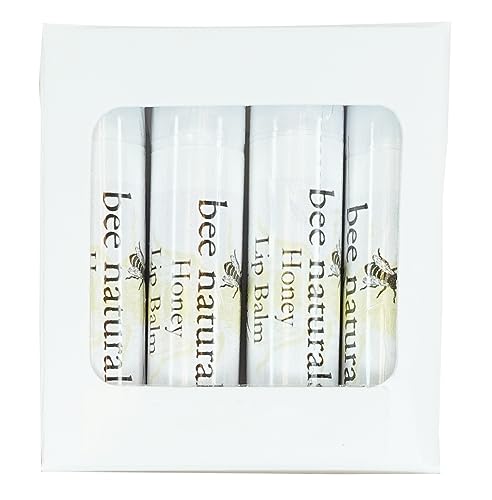
Bee Naturals Lip Balm - Soothing Moisturizer with Beeswax, Cocoa Butter, Vitamin E - Honey


Ricinus Communis (Castor) Seed Oil
Medium RiskCastor oil is extracted from the seeds of Ricinus communis and is commonly used in cosmetic and personal care products for its moisturizing and emollient properties. It is known for its ability to enhance skin absorption and provide a protective barrier.
Sustai Insights
Castor oil offers functional benefits as a moisturizer and emollient, enhancing skin absorption and providing a barrier against moisture loss. It is sustainably sourced and biodegradable. However, potential health risks include low levels of irritation and moderate concerns regarding developmental and reproductive toxicity. Environmental risks are low, with no significant pollutant or bioaccumulation concerns reported. Regulatory status shows no current restrictions. Overall, the risk level is assessed as medium, with recommendations for safe usage practices, and potential alternatives include other plant-based oils.
Theobroma Cacao (Cocoa) Seed Butter
Low RiskTheobroma cacao (cocoa) seed butter is extracted from the roasted seeds of the cocoa plant. It is commonly used in cosmetics and skincare products for its emollient properties, helping to moisturize and soften the skin. Cocoa butter is also known for its stability and resistance to rancidity.
Sustai Insights
Cocoa butter is recognized for its effective moisturizing properties and is sustainably sourced, contributing to its appeal in personal care products. It poses low health risks, with minimal concerns regarding carcinogenicity, allergies, or reproductive toxicity. Environmentally, it does not significantly contribute to pollution or bioaccumulation. Regulatory bodies impose few restrictions, affirming its safety. Overall, the risk associated with cocoa seed butter is low, making it a favorable ingredient in cosmetics. Alternatives include shea butter or plant oils for similar emollient benefits.
Cocos Nucifera (Coconut) Oil
Low RiskCocos Nucifera (Coconut) Oil is derived from the kernels of the coconut palm. It is primarily used in cosmetic formulations for its emollient and moisturizing properties, making it suitable for skin and hair care products.
Sustai Insights
Coconut oil serves as an effective moisturizer and emollient, promoting skin hydration and softness. It is sustainably sourced and biodegradable. Health risks are minimal, with low concerns regarding carcinogenicity, allergens, and reproductive toxicity. Environmental impact is also low, as it does not contribute significantly to pollution or bioaccumulation. Regulatory bodies have not issued restrictions on its use. Overall, coconut oil presents a low risk for health and environmental concerns, making it a safe ingredient in cosmetic products.
Tocopherol, D Alpha
Low RiskTocopherol, specifically d-alpha tocopherol, is a naturally occurring form of Vitamin E. It is commonly used in cosmetic and personal care products primarily for its antioxidant properties, helping to protect formulations from oxidation and extend shelf life.
Sustai Insights
D-alpha tocopherol provides effective antioxidant benefits, contributing to product stability. It is sustainably sourced and generally regarded as safe, with low concerns regarding carcinogenicity, allergies, and reproductive toxicity. However, there are minor concerns about endocrine disruption. Regulatory bodies have not imposed significant restrictions, indicating low overall risk. Recommended usage practices include adhering to established safe concentration thresholds. Alternatives, such as other forms of Vitamin E or plant-based antioxidants, may also be considered.
Theobroma Cacao (Cocoa) Seed Butter
Low RiskTheobroma cacao (cocoa) seed butter is extracted from the roasted seeds of the cocoa plant. It is commonly used in cosmetics and skincare products for its emollient properties, helping to moisturize and soften the skin. Cocoa butter is also known for its stability and resistance to rancidity.
Sustai Insights
Cocoa butter is recognized for its effective moisturizing properties and is sustainably sourced, contributing to its appeal in personal care products. It poses low health risks, with minimal concerns regarding carcinogenicity, allergies, or reproductive toxicity. Environmentally, it does not significantly contribute to pollution or bioaccumulation. Regulatory bodies impose few restrictions, affirming its safety. Overall, the risk associated with cocoa seed butter is low, making it a favorable ingredient in cosmetics. Alternatives include shea butter or plant oils for similar emollient benefits.
Cocos Nucifera (Coconut) Oil
Low RiskCocos Nucifera (Coconut) Oil is derived from the kernels of the coconut palm. It is primarily used in cosmetic formulations for its emollient and moisturizing properties, making it suitable for skin and hair care products.
Sustai Insights
Coconut oil serves as an effective moisturizer and emollient, promoting skin hydration and softness. It is sustainably sourced and biodegradable. Health risks are minimal, with low concerns regarding carcinogenicity, allergens, and reproductive toxicity. Environmental impact is also low, as it does not contribute significantly to pollution or bioaccumulation. Regulatory bodies have not issued restrictions on its use. Overall, coconut oil presents a low risk for health and environmental concerns, making it a safe ingredient in cosmetic products.
Tocopherol, D Alpha
Low RiskTocopherol, specifically d-alpha tocopherol, is a naturally occurring form of Vitamin E. It is commonly used in cosmetic and personal care products primarily for its antioxidant properties, helping to protect formulations from oxidation and extend shelf life.
Sustai Insights
D-alpha tocopherol provides effective antioxidant benefits, contributing to product stability. It is sustainably sourced and generally regarded as safe, with low concerns regarding carcinogenicity, allergies, and reproductive toxicity. However, there are minor concerns about endocrine disruption. Regulatory bodies have not imposed significant restrictions, indicating low overall risk. Recommended usage practices include adhering to established safe concentration thresholds. Alternatives, such as other forms of Vitamin E or plant-based antioxidants, may also be considered.
Ricinus Communis (Castor) Seed Oil
Medium RiskCastor oil is extracted from the seeds of Ricinus communis and is commonly used in cosmetic and personal care products for its moisturizing and emollient properties. It is known for its ability to enhance skin absorption and provide a protective barrier.
Sustai Insights
Castor oil offers functional benefits as a moisturizer and emollient, enhancing skin absorption and providing a barrier against moisture loss. It is sustainably sourced and biodegradable. However, potential health risks include low levels of irritation and moderate concerns regarding developmental and reproductive toxicity. Environmental risks are low, with no significant pollutant or bioaccumulation concerns reported. Regulatory status shows no current restrictions. Overall, the risk level is assessed as medium, with recommendations for safe usage practices, and potential alternatives include other plant-based oils.
Experience the soothing embrace of Bee Naturals Lip Balm, a nourishing blend designed to combat dry, chapped lips. Crafted with unbleached beeswax, cocoa butter, and Vitamin E, this lip balm not only hydrates but also protects against environmental stressors, making it a must-have for health-conscious consumers.
- Moisture Locking: Unbleached beeswax seals in hydration while shielding lips from environmental damage.
- Child Safe: Nonmedicated formula ensures safety for children and peace of mind for parents.
- Creamy Texture: Infused with pure fruit oils and cocoa butter for a smooth, thick application that feels luxurious.
- Healing Properties: Vitamin E helps repair chapped, cracked lips, promoting healthier skin.
- Versatile Use: Perfect for daily wear or as an overnight treatment for extra hydration.
Bee Naturals champions ethical practices, ensuring a product that is good for you and the planet, supporting a healthier lifestyle without compromise.
Subscribe & Save with Sustai
- Best Price Guarantee: Always enjoy the lowest prices on sustainable home essentials.
- No Surprises: We’ll notify you before shipping. No hidden fees, ever.
- You’re in Charge: Change, pause, or cancel your subscription anytime with ease.
- Eco-Friendly Deliveries: Our grouped shipments mean less packaging and lower emissions.
Join us on a sustainable journey. Special offers for a limited time! Prices and promotions may change.
Recommended Products
Experience the soothing embrace of Bee Naturals Lip Balm, a nourishing blend designed to combat dry, chapped lips. Crafted with unbleached beeswax, cocoa butter, and Vitamin E, this lip balm not only hydrates but also protects against environmental stressors, making it a must-have for health-conscious consumers.
- Moisture Locking: Unbleached beeswax seals in hydration while shielding lips from environmental damage.
- Child Safe: Nonmedicated formula ensures safety for children and peace of mind for parents.
- Creamy Texture: Infused with pure fruit oils and cocoa butter for a smooth, thick application that feels luxurious.
- Healing Properties: Vitamin E helps repair chapped, cracked lips, promoting healthier skin.
- Versatile Use: Perfect for daily wear or as an overnight treatment for extra hydration.
Bee Naturals champions ethical practices, ensuring a product that is good for you and the planet, supporting a healthier lifestyle without compromise.
You can have at most 2 Sustainable Steals products in your cart
Customer Reviews

Customers’ View
Customers appreciate the moisturizing and protective qualities of this lip balm, noting its effective hydration without a heavy or greasy feel. Many users highlight the natural ingredients, such as unbleached beeswax and cocoa butter, which align with their eco-friendly and health-conscious values. For instance, one reviewer mentioned that the balm creates a barrier that effectively retains moisture, making it a reliable solution for chapped lips. Additionally, the variety of flavors, including subtle honey and unscented options, caters to diverse preferences. While some customers find the product slightly pricier compared to other natural lip balms, the overall consensus is that its quality and effectiveness justify the cost. Overall, consumers find this product to be a dependable choice that supports their sustainable lifestyle.
AI-generated from the text of customer reviewsThis product is rated 4.4 of 5.0 stars.
It has received 7 reviews.