

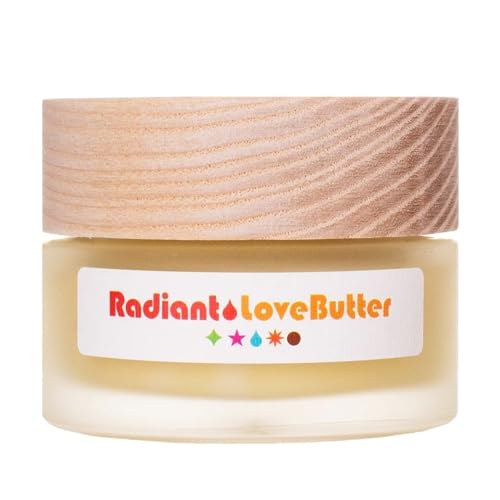

Living Libations Organic Radiant Love Butter - Edible Massage Crème, Vegan & Natural - 1.7 oz


Cocos Nucifera (Coconut) Oil
Low RiskCocos Nucifera (Coconut) Oil is derived from the kernels of the coconut palm. It is primarily used in cosmetic formulations for its emollient and moisturizing properties, making it suitable for skin and hair care products.
Sustai Insights
Coconut oil serves as an effective moisturizer and emollient, promoting skin hydration and softness. It is sustainably sourced and biodegradable. Health risks are minimal, with low concerns regarding carcinogenicity, allergens, and reproductive toxicity. Environmental impact is also low, as it does not contribute significantly to pollution or bioaccumulation. Regulatory bodies have not issued restrictions on its use. Overall, coconut oil presents a low risk for health and environmental concerns, making it a safe ingredient in cosmetic products.
Hippophae Rhamnoides (Sea Buckthorn) Fruit Extract
Low RiskHippophae rhamnoides fruit extract is an extract derived from the sea buckthorn plant, known for its rich content of vitamins, antioxidants, and fatty acids. It is primarily used in cosmetic formulations for its moisturizing, anti-inflammatory, and skin-repairing properties.
Sustai Insights
Hippophae rhamnoides fruit extract offers functional benefits such as moisturizing and anti-inflammatory effects, contributing to skin health. It is sustainably sourced and considered biodegradable. The ingredient presents low health risks, with minimal concerns regarding carcinogenicity and allergies. Environmental impacts are also low, with no significant pollutants or bioaccumulation reported. Regulatory assessments show no restrictions in major markets. Overall, it is deemed a low-risk ingredient, suitable for various applications.
Vanilla Planifolia (Vanilla)
Low RiskVanilla planifolia, commonly known as vanilla, is a flowering plant in the orchid family, primarily cultivated for its aromatic pods. These pods contain vanillin, which is widely used as a flavoring agent in food and a fragrance in cosmetics and personal care products. Vanilla is valued for its unique scent and taste.
Sustai Insights
Vanilla planifolia serves as a natural flavoring and fragrance, contributing to product appeal. It is sustainably sourced and biodegradable. Health risks are minimal, with low concerns regarding cancer, allergies, and reproductive toxicity. Environmental impacts are also low, with no significant pollution or bioaccumulation noted. Regulatory status is clear, with no restrictions currently imposed. Overall, the risk level is low, making vanilla a favorable ingredient in various formulations. Safe usage practices include ensuring proper concentrations in formulations, while alternatives may include synthetic vanillin for cost-effectiveness.
Serenoa Repens (Saw Palmetto)
Low RiskSerenoa repens, commonly known as saw palmetto, is a small palm native to the southeastern United States. It is primarily used in dietary supplements for its potential benefits in supporting prostate health and hormone balance, mainly through its extract derived from the berries of the plant.
Sustai Insights
Saw palmetto is recognized for its functional benefits in supporting prostate health and may have anti-androgenic properties. It is generally considered to have a low health risk profile, with minimal concerns regarding carcinogenicity, allergies, or reproductive toxicity. Environmentally, it poses low risks, with no significant concerns about pollution or bioaccumulation. Regulatory assessments indicate no current restrictions on its use. Overall, the risk level associated with saw palmetto is low, making it a viable ingredient in health products, though users should consult with healthcare professionals for personalized advice.
Simmondsia Chinensis (Jojoba)
Low RiskSimmondsia chinensis, commonly known as jojoba, is an oil derived from the seeds of the jojoba plant. It is commonly used in cosmetic formulations for its moisturizing properties, acting as an emollient and skin conditioning agent.
Sustai Insights
Jojoba oil offers functional benefits such as effective skin moisturization and is biodegradable, with sustainable sourcing practices. Health risks are low, with minimal concerns regarding carcinogenicity, allergies, and reproductive toxicity. Environmental impact is negligible, with no pollutant or bioaccumulation potential. Regulatory status is favorable with no significant restrictions noted. Overall, it is assessed as low risk, and safe usage practices should be maintained. Alternatives include other plant-derived oils like argan or almond oil, which may provide similar benefits.
Theobroma Cacao (Cocoa) Seed Butter
Low RiskTheobroma cacao (cocoa) seed butter is extracted from the roasted seeds of the cocoa plant. It is commonly used in cosmetics and skincare products for its emollient properties, helping to moisturize and soften the skin. Cocoa butter is also known for its stability and resistance to rancidity.
Sustai Insights
Cocoa butter is recognized for its effective moisturizing properties and is sustainably sourced, contributing to its appeal in personal care products. It poses low health risks, with minimal concerns regarding carcinogenicity, allergies, or reproductive toxicity. Environmentally, it does not significantly contribute to pollution or bioaccumulation. Regulatory bodies impose few restrictions, affirming its safety. Overall, the risk associated with cocoa seed butter is low, making it a favorable ingredient in cosmetics. Alternatives include shea butter or plant oils for similar emollient benefits.
Citrus Sinensis (Sweet Orange)
Low RiskCitrus sinensis, commonly known as sweet orange, is a citrus fruit widely used in various products for its aromatic properties and as a flavoring agent. It is also employed for its oil, which acts as a natural fragrance and has potential antimicrobial properties.
Sustai Insights
Sweet orange offers functional benefits as a natural fragrance and may provide antimicrobial properties. It is generally considered low risk for health concerns, including carcinogenicity, allergies, and reproductive toxicity. Environmental impacts are minimal, with no significant pollutant potential or bioaccumulation. Regulatory status is favorable, with no current restrictions. Safe usage practices are recommended, and alternatives such as other citrus oils can be considered. Overall, the ingredient is assessed as low risk.
Cocos Nucifera (Coconut) Oil
Low RiskCocos Nucifera (Coconut) Oil is derived from the kernels of the coconut palm. It is primarily used in cosmetic formulations for its emollient and moisturizing properties, making it suitable for skin and hair care products.
Sustai Insights
Coconut oil serves as an effective moisturizer and emollient, promoting skin hydration and softness. It is sustainably sourced and biodegradable. Health risks are minimal, with low concerns regarding carcinogenicity, allergens, and reproductive toxicity. Environmental impact is also low, as it does not contribute significantly to pollution or bioaccumulation. Regulatory bodies have not issued restrictions on its use. Overall, coconut oil presents a low risk for health and environmental concerns, making it a safe ingredient in cosmetic products.
Hippophae Rhamnoides (Sea Buckthorn) Fruit Extract
Low RiskHippophae rhamnoides fruit extract is an extract derived from the sea buckthorn plant, known for its rich content of vitamins, antioxidants, and fatty acids. It is primarily used in cosmetic formulations for its moisturizing, anti-inflammatory, and skin-repairing properties.
Sustai Insights
Hippophae rhamnoides fruit extract offers functional benefits such as moisturizing and anti-inflammatory effects, contributing to skin health. It is sustainably sourced and considered biodegradable. The ingredient presents low health risks, with minimal concerns regarding carcinogenicity and allergies. Environmental impacts are also low, with no significant pollutants or bioaccumulation reported. Regulatory assessments show no restrictions in major markets. Overall, it is deemed a low-risk ingredient, suitable for various applications.
Vanilla Planifolia (Vanilla)
Low RiskVanilla planifolia, commonly known as vanilla, is a flowering plant in the orchid family, primarily cultivated for its aromatic pods. These pods contain vanillin, which is widely used as a flavoring agent in food and a fragrance in cosmetics and personal care products. Vanilla is valued for its unique scent and taste.
Sustai Insights
Vanilla planifolia serves as a natural flavoring and fragrance, contributing to product appeal. It is sustainably sourced and biodegradable. Health risks are minimal, with low concerns regarding cancer, allergies, and reproductive toxicity. Environmental impacts are also low, with no significant pollution or bioaccumulation noted. Regulatory status is clear, with no restrictions currently imposed. Overall, the risk level is low, making vanilla a favorable ingredient in various formulations. Safe usage practices include ensuring proper concentrations in formulations, while alternatives may include synthetic vanillin for cost-effectiveness.
Serenoa Repens (Saw Palmetto)
Low RiskSerenoa repens, commonly known as saw palmetto, is a small palm native to the southeastern United States. It is primarily used in dietary supplements for its potential benefits in supporting prostate health and hormone balance, mainly through its extract derived from the berries of the plant.
Sustai Insights
Saw palmetto is recognized for its functional benefits in supporting prostate health and may have anti-androgenic properties. It is generally considered to have a low health risk profile, with minimal concerns regarding carcinogenicity, allergies, or reproductive toxicity. Environmentally, it poses low risks, with no significant concerns about pollution or bioaccumulation. Regulatory assessments indicate no current restrictions on its use. Overall, the risk level associated with saw palmetto is low, making it a viable ingredient in health products, though users should consult with healthcare professionals for personalized advice.
Simmondsia Chinensis (Jojoba)
Low RiskSimmondsia chinensis, commonly known as jojoba, is an oil derived from the seeds of the jojoba plant. It is commonly used in cosmetic formulations for its moisturizing properties, acting as an emollient and skin conditioning agent.
Sustai Insights
Jojoba oil offers functional benefits such as effective skin moisturization and is biodegradable, with sustainable sourcing practices. Health risks are low, with minimal concerns regarding carcinogenicity, allergies, and reproductive toxicity. Environmental impact is negligible, with no pollutant or bioaccumulation potential. Regulatory status is favorable with no significant restrictions noted. Overall, it is assessed as low risk, and safe usage practices should be maintained. Alternatives include other plant-derived oils like argan or almond oil, which may provide similar benefits.
Theobroma Cacao (Cocoa) Seed Butter
Low RiskTheobroma cacao (cocoa) seed butter is extracted from the roasted seeds of the cocoa plant. It is commonly used in cosmetics and skincare products for its emollient properties, helping to moisturize and soften the skin. Cocoa butter is also known for its stability and resistance to rancidity.
Sustai Insights
Cocoa butter is recognized for its effective moisturizing properties and is sustainably sourced, contributing to its appeal in personal care products. It poses low health risks, with minimal concerns regarding carcinogenicity, allergies, or reproductive toxicity. Environmentally, it does not significantly contribute to pollution or bioaccumulation. Regulatory bodies impose few restrictions, affirming its safety. Overall, the risk associated with cocoa seed butter is low, making it a favorable ingredient in cosmetics. Alternatives include shea butter or plant oils for similar emollient benefits.
Citrus Sinensis (Sweet Orange)
Low RiskCitrus sinensis, commonly known as sweet orange, is a citrus fruit widely used in various products for its aromatic properties and as a flavoring agent. It is also employed for its oil, which acts as a natural fragrance and has potential antimicrobial properties.
Sustai Insights
Sweet orange offers functional benefits as a natural fragrance and may provide antimicrobial properties. It is generally considered low risk for health concerns, including carcinogenicity, allergies, and reproductive toxicity. Environmental impacts are minimal, with no significant pollutant potential or bioaccumulation. Regulatory status is favorable, with no current restrictions. Safe usage practices are recommended, and alternatives such as other citrus oils can be considered. Overall, the ingredient is assessed as low risk.
Experience the sensual delight of Living Libations Organic Radiant Love Butter, a delectable edible massage crème and lubricant that transforms intimate moments into blissful encounters. Infused with the rich flavors of vanilla, cinnamon, coconut, and cacao, this luxurious blend melts effortlessly into the skin, enhancing pleasure while moisturizing your body.
- Moisturizing & Delicious: This edible crème not only provides a silky glide but also nourishes the skin, making it ideal for both massage and intimate moments.
- Natural & Clean Beauty: Crafted from organic, wildcrafted ingredients, this product is free from parabens, sulfates, and cruelty, ensuring a guilt-free experience.
- Versatile Use: Perfect as a daily moisturizer, non-latex lubricant, or for romantic evenings, this crème adapts to your desires.
- Handmade Quality: Made in small batches, slight variations are expected, reflecting the product's natural authenticity.
- Eco-Friendly Packaging: Packaged in recyclable glass, this product aligns with sustainable practices, appealing to environmentally conscious consumers.
Subscribe & Save with Sustai
- Best Price Guarantee: Always enjoy the lowest prices on sustainable home essentials.
- No Surprises: We’ll notify you before shipping. No hidden fees, ever.
- You’re in Charge: Change, pause, or cancel your subscription anytime with ease.
- Eco-Friendly Deliveries: Our grouped shipments mean less packaging and lower emissions.
Join us on a sustainable journey. Special offers for a limited time! Prices and promotions may change.
Recommended Products

Experience the sensual delight of Living Libations Organic Radiant Love Butter, a delectable edible massage crème and lubricant that transforms intimate moments into blissful encounters. Infused with the rich flavors of vanilla, cinnamon, coconut, and cacao, this luxurious blend melts effortlessly into the skin, enhancing pleasure while moisturizing your body.
- Moisturizing & Delicious: This edible crème not only provides a silky glide but also nourishes the skin, making it ideal for both massage and intimate moments.
- Natural & Clean Beauty: Crafted from organic, wildcrafted ingredients, this product is free from parabens, sulfates, and cruelty, ensuring a guilt-free experience.
- Versatile Use: Perfect as a daily moisturizer, non-latex lubricant, or for romantic evenings, this crème adapts to your desires.
- Handmade Quality: Made in small batches, slight variations are expected, reflecting the product's natural authenticity.
- Eco-Friendly Packaging: Packaged in recyclable glass, this product aligns with sustainable practices, appealing to environmentally conscious consumers.
You can have at most 2 Sustainable Steals products in your cart
Customer Reviews

Customers’ View
Customers generally appreciate the luxurious feel and natural formulation of the Living Libations Edible Massage Crème. Many users highlight the delightful combination of ingredients, noting its pleasant scents and skin-nourishing qualities. One customer remarks on its effectiveness, stating, 'It's soft, it smells great,' while others enjoy its edible aspect, enhancing intimate moments. However, some feedback suggests that the product's taste could be an acquired preference, as a few users found it initially overpowering. Additionally, the eco-friendly glass packaging and ethical production practices resonate well with environmentally and health-conscious consumers, reinforcing its appeal. Overall, customers find this product both enjoyable and aligned with their values of natural and sustainable living.
AI-generated from the text of customer reviewsThis product has no reviews yet.