

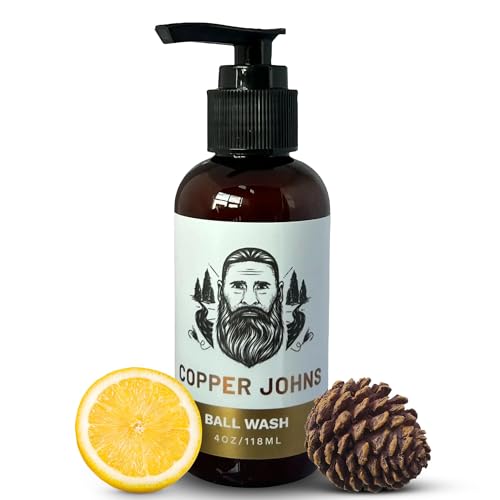
Copper Johns Men's Grooming Wash - Refreshing & Hydrating, Cedarwood & Tea Tree - 4oz


Cocamidopropyl Betaine
High RiskCocamidopropyl betaine is a synthetic surfactant derived from coconut oil, commonly used in personal care products for its mild cleansing and foaming properties. It functions as a surfactant, emulsifier, and thickening agent, contributing to the texture and performance of formulations.
Sustai Insights
Cocamidopropyl betaine offers functional benefits as a gentle surfactant, enhancing product foaming and texture. However, it may pose low to moderate allergenic risks and is subject to high use restrictions due to contamination concerns. Regulatory bodies have advised on its safe levels of usage, categorizing its risk level as high overall. Users should practice caution, particularly with sensitive populations, and consider alternatives like naturally derived surfactants for safer formulations.
Phenoxyethanol
Medium RiskPhenoxyethanol is a preservative used in cosmetics and personal care products to prevent microbial growth and extend shelf life. It is commonly found in formulations such as lotions, creams, and serums.
Sustai Insights
Phenoxyethanol serves effectively as a preservative, ensuring product stability and safety by inhibiting microbial growth. It is considered to have low health risks regarding carcinogenicity, allergies, and reproductive toxicity. However, moderate use restrictions exist, and regulatory bodies have advised caution in specific applications. Environmental concerns include its potential as a pollutant, although it is not highly bioaccumulative. Overall, the ingredient presents a medium risk level, with safe usage practices recommended and alternative preservatives available for those seeking greener options.
Citrus Limon (Lemon)
Low RiskCitrus limon, commonly known as lemon, is a citrus fruit used primarily for its juice and zest. It is often included in personal care products for its astringent properties and as a natural fragrance. It is recognized for its potential antioxidant benefits and as a source of vitamin C.
Sustai Insights
Citrus limon offers functional benefits like acting as a natural preservative and providing fragrance in formulations. It is sustainably sourced and biodegradable. Health risks are considered low for carcinogenicity, allergies, and reproductive toxicity. Environmental risks are minimal, with no significant bioaccumulation. Regulatory status is favorable, with no current restrictions noted. Overall, this ingredient poses a low risk, making it a safe choice for consumers.
Melaleuca Alternifolia (Tea Tree)
Low RiskMelaleuca alternifolia, commonly known as tea tree, is an unspecified preparation derived from the leaves of the tea tree. It is primarily used for its antiseptic properties and is found in various personal care products.
Sustai Insights
Tea tree oil offers functional benefits such as antimicrobial properties, making it effective in skincare formulations. It is considered to have low health risks, including low concerns for carcinogenicity, allergies, and reproductive toxicity. Environmental risks are minimal, with no significant pollutant or bioaccumulation potential. Regulatory bodies have noted no major advisories, and overall risk assessment remains low. For safe usage, it is recommended to use appropriate concentrations and consider alternatives like lavender or eucalyptus oil for similar benefits.
Tocopherol, D Alpha
Low RiskTocopherol, specifically d-alpha tocopherol, is a naturally occurring form of Vitamin E. It is commonly used in cosmetic and personal care products primarily for its antioxidant properties, helping to protect formulations from oxidation and extend shelf life.
Sustai Insights
D-alpha tocopherol provides effective antioxidant benefits, contributing to product stability. It is sustainably sourced and generally regarded as safe, with low concerns regarding carcinogenicity, allergies, and reproductive toxicity. However, there are minor concerns about endocrine disruption. Regulatory bodies have not imposed significant restrictions, indicating low overall risk. Recommended usage practices include adhering to established safe concentration thresholds. Alternatives, such as other forms of Vitamin E or plant-based antioxidants, may also be considered.
Sea Salt
Low RiskSea salt is a mixture of inorganic salts derived primarily from the evaporation of seawater. It consists mainly of sodium chloride, with minor amounts of other minerals. Sea salt is commonly used as a seasoning and preservative in food products and may also have applications in cosmetics and personal care items.
Sustai Insights
Sea salt serves as an effective flavor enhancer and preservative, contributing to the taste and shelf-life of food products. It is generally considered safe with low risk for health concerns such as cancer, allergies, and reproductive toxicity. Environmental impact is minimal, as it does not contribute significantly to pollution or bioaccumulation. Regulatory bodies, including the FDA, currently do not impose restrictions on its use. Overall, the risk level associated with sea salt is low, making it a widely accepted ingredient with no significant adverse effects reported.
Cedarwood
Low RiskCedarwood is an essential oil derived from the wood of cedar trees, commonly used in cosmetics and personal care products for its aromatic properties. It serves primarily as a fragrance component and may also have preservative qualities due to its natural antimicrobial properties.
Sustai Insights
Cedarwood offers functional benefits as a natural fragrance and potential preservative, contributing to product stability. It is sustainably sourced and biodegradable. Health risks are low, with no significant concerns regarding carcinogenicity, allergies, or reproductive toxicity. Environmental risks are minimal, as it does not bioaccumulate or contribute to significant pollution. Regulatory bodies currently impose no restrictions on its use, indicating a low overall risk level. Safe usage practices include avoiding contact with sensitive areas, and alternatives like sandalwood or vetiver may be considered for fragrance purposes.
Simmondsia Chinensis (Jojoba)
Low RiskSimmondsia chinensis, commonly known as jojoba, is an oil derived from the seeds of the jojoba plant. It is commonly used in cosmetic formulations for its moisturizing properties, acting as an emollient and skin conditioning agent.
Sustai Insights
Jojoba oil offers functional benefits such as effective skin moisturization and is biodegradable, with sustainable sourcing practices. Health risks are low, with minimal concerns regarding carcinogenicity, allergies, and reproductive toxicity. Environmental impact is negligible, with no pollutant or bioaccumulation potential. Regulatory status is favorable with no significant restrictions noted. Overall, it is assessed as low risk, and safe usage practices should be maintained. Alternatives include other plant-derived oils like argan or almond oil, which may provide similar benefits.
Phenoxyethanol
Medium RiskPhenoxyethanol is a preservative used in cosmetics and personal care products to prevent microbial growth and extend shelf life. It is commonly found in formulations such as lotions, creams, and serums.
Sustai Insights
Phenoxyethanol serves effectively as a preservative, ensuring product stability and safety by inhibiting microbial growth. It is considered to have low health risks regarding carcinogenicity, allergies, and reproductive toxicity. However, moderate use restrictions exist, and regulatory bodies have advised caution in specific applications. Environmental concerns include its potential as a pollutant, although it is not highly bioaccumulative. Overall, the ingredient presents a medium risk level, with safe usage practices recommended and alternative preservatives available for those seeking greener options.
Cocamidopropyl Betaine
High RiskCocamidopropyl betaine is a synthetic surfactant derived from coconut oil, commonly used in personal care products for its mild cleansing and foaming properties. It functions as a surfactant, emulsifier, and thickening agent, contributing to the texture and performance of formulations.
Sustai Insights
Cocamidopropyl betaine offers functional benefits as a gentle surfactant, enhancing product foaming and texture. However, it may pose low to moderate allergenic risks and is subject to high use restrictions due to contamination concerns. Regulatory bodies have advised on its safe levels of usage, categorizing its risk level as high overall. Users should practice caution, particularly with sensitive populations, and consider alternatives like naturally derived surfactants for safer formulations.
Citrus Limon (Lemon)
Low RiskCitrus limon, commonly known as lemon, is a citrus fruit used primarily for its juice and zest. It is often included in personal care products for its astringent properties and as a natural fragrance. It is recognized for its potential antioxidant benefits and as a source of vitamin C.
Sustai Insights
Citrus limon offers functional benefits like acting as a natural preservative and providing fragrance in formulations. It is sustainably sourced and biodegradable. Health risks are considered low for carcinogenicity, allergies, and reproductive toxicity. Environmental risks are minimal, with no significant bioaccumulation. Regulatory status is favorable, with no current restrictions noted. Overall, this ingredient poses a low risk, making it a safe choice for consumers.
Melaleuca Alternifolia (Tea Tree)
Low RiskMelaleuca alternifolia, commonly known as tea tree, is an unspecified preparation derived from the leaves of the tea tree. It is primarily used for its antiseptic properties and is found in various personal care products.
Sustai Insights
Tea tree oil offers functional benefits such as antimicrobial properties, making it effective in skincare formulations. It is considered to have low health risks, including low concerns for carcinogenicity, allergies, and reproductive toxicity. Environmental risks are minimal, with no significant pollutant or bioaccumulation potential. Regulatory bodies have noted no major advisories, and overall risk assessment remains low. For safe usage, it is recommended to use appropriate concentrations and consider alternatives like lavender or eucalyptus oil for similar benefits.
Tocopherol, D Alpha
Low RiskTocopherol, specifically d-alpha tocopherol, is a naturally occurring form of Vitamin E. It is commonly used in cosmetic and personal care products primarily for its antioxidant properties, helping to protect formulations from oxidation and extend shelf life.
Sustai Insights
D-alpha tocopherol provides effective antioxidant benefits, contributing to product stability. It is sustainably sourced and generally regarded as safe, with low concerns regarding carcinogenicity, allergies, and reproductive toxicity. However, there are minor concerns about endocrine disruption. Regulatory bodies have not imposed significant restrictions, indicating low overall risk. Recommended usage practices include adhering to established safe concentration thresholds. Alternatives, such as other forms of Vitamin E or plant-based antioxidants, may also be considered.
Sea Salt
Low RiskSea salt is a mixture of inorganic salts derived primarily from the evaporation of seawater. It consists mainly of sodium chloride, with minor amounts of other minerals. Sea salt is commonly used as a seasoning and preservative in food products and may also have applications in cosmetics and personal care items.
Sustai Insights
Sea salt serves as an effective flavor enhancer and preservative, contributing to the taste and shelf-life of food products. It is generally considered safe with low risk for health concerns such as cancer, allergies, and reproductive toxicity. Environmental impact is minimal, as it does not contribute significantly to pollution or bioaccumulation. Regulatory bodies, including the FDA, currently do not impose restrictions on its use. Overall, the risk level associated with sea salt is low, making it a widely accepted ingredient with no significant adverse effects reported.
Cedarwood
Low RiskCedarwood is an essential oil derived from the wood of cedar trees, commonly used in cosmetics and personal care products for its aromatic properties. It serves primarily as a fragrance component and may also have preservative qualities due to its natural antimicrobial properties.
Sustai Insights
Cedarwood offers functional benefits as a natural fragrance and potential preservative, contributing to product stability. It is sustainably sourced and biodegradable. Health risks are low, with no significant concerns regarding carcinogenicity, allergies, or reproductive toxicity. Environmental risks are minimal, as it does not bioaccumulate or contribute to significant pollution. Regulatory bodies currently impose no restrictions on its use, indicating a low overall risk level. Safe usage practices include avoiding contact with sensitive areas, and alternatives like sandalwood or vetiver may be considered for fragrance purposes.
Simmondsia Chinensis (Jojoba)
Low RiskSimmondsia chinensis, commonly known as jojoba, is an oil derived from the seeds of the jojoba plant. It is commonly used in cosmetic formulations for its moisturizing properties, acting as an emollient and skin conditioning agent.
Sustai Insights
Jojoba oil offers functional benefits such as effective skin moisturization and is biodegradable, with sustainable sourcing practices. Health risks are low, with minimal concerns regarding carcinogenicity, allergies, and reproductive toxicity. Environmental impact is negligible, with no pollutant or bioaccumulation potential. Regulatory status is favorable with no significant restrictions noted. Overall, it is assessed as low risk, and safe usage practices should be maintained. Alternatives include other plant-derived oils like argan or almond oil, which may provide similar benefits.
Discover Copper Johns Ball Wash for Men, a premium grooming solution that refreshes and hydrates your entire body. Infused with organic ingredients like Aloe Vera and Jojoba Oil, this invigorating wash boasts a refreshing scent profile of Cedarwood, Tea Tree, and Lemon, designed to elevate your daily routine.
- Soothing & Hydrating: Formulated with organic Aloe Vera and Vitamin E for non-drying hydration, leaving skin feeling soft and rejuvenated.
- Natural Ingredients: Contains super antioxidants and essential oils, promoting healthy skin without harsh chemicals.
- Easy to Use: Simply lather and cleanse your entire physique, focusing on areas that need extra care for a refreshing experience.
- Invigorating Scent: Enjoy a captivating blend of Cedarwood, Tea Tree, and Lemon that energizes your senses throughout the day.
- Empowering Brand Ethos: Copper Johns inspires men to embrace their individuality, helping them feel confident and proud of their appearance with every wash.
Subscribe & Save with Sustai
- Best Price Guarantee: Always enjoy the lowest prices on sustainable home essentials.
- No Surprises: We’ll notify you before shipping. No hidden fees, ever.
- You’re in Charge: Change, pause, or cancel your subscription anytime with ease.
- Eco-Friendly Deliveries: Our grouped shipments mean less packaging and lower emissions.
Join us on a sustainable journey. Special offers for a limited time! Prices and promotions may change.
Recommended Products
Discover Copper Johns Ball Wash for Men, a premium grooming solution that refreshes and hydrates your entire body. Infused with organic ingredients like Aloe Vera and Jojoba Oil, this invigorating wash boasts a refreshing scent profile of Cedarwood, Tea Tree, and Lemon, designed to elevate your daily routine.
- Soothing & Hydrating: Formulated with organic Aloe Vera and Vitamin E for non-drying hydration, leaving skin feeling soft and rejuvenated.
- Natural Ingredients: Contains super antioxidants and essential oils, promoting healthy skin without harsh chemicals.
- Easy to Use: Simply lather and cleanse your entire physique, focusing on areas that need extra care for a refreshing experience.
- Invigorating Scent: Enjoy a captivating blend of Cedarwood, Tea Tree, and Lemon that energizes your senses throughout the day.
- Empowering Brand Ethos: Copper Johns inspires men to embrace their individuality, helping them feel confident and proud of their appearance with every wash.
You can have at most 2 Sustainable Steals products in your cart
Customer Reviews

Customers’ View
Customers generally find Copper Johns Men's Ball Wash to be a refreshing and hydrating addition to their grooming routine. Many appreciate the pleasant blend of cedarwood, tea tree, and lemon scents, which contribute to a revitalizing experience. The use of organic ingredients, such as aloe vera and jojoba oil, resonates with those who prioritize skin care and natural formulations. However, some users note the product's small size and the absence of a pump dispenser, which can complicate usage. Despite these concerns, the wash effectively cleanses and soothes the skin, encouraging men to embrace self-care. Overall, customers recognize the product's quality ingredients and its alignment with their health-conscious values.
AI-generated from the text of customer reviewsThis product is rated 3.7 of 5.0 stars.
It has received 7 reviews.