

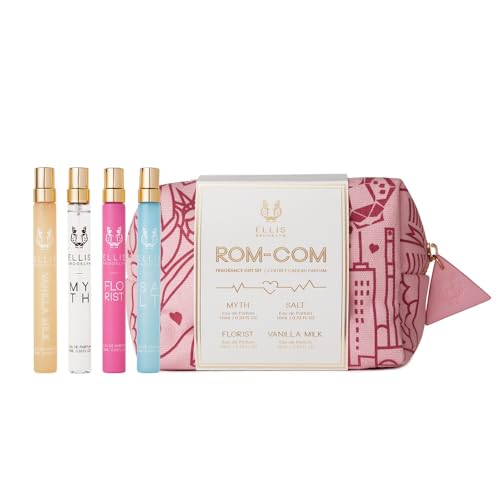
Ellis Brooklyn ROM COM Fragrance Gift Set - White Musk, Jasmine, Gardenia, Vanilla - 4 Scents


Isoeugenol
High RiskIsoeugenol is a substituted phenol commonly used in cosmetics and personal care products for its fragrance properties. It is derived from natural sources such as clove oil and can also be synthesized. Isoeugenol serves as a flavoring agent and fragrance component in various formulations.

Sustai Insights
Isoeugenol offers functional benefits as a fragrance and flavoring agent; however, it is associated with a high allergenic potential, posing risks to sensitive individuals. While it has a low concern for carcinogenicity and reproductive toxicity, regulatory bodies impose restrictions on its use due to allergenic properties. Environmental concerns include its potential as a pollutant, and it may not be easily biodegradable. Overall, the risk level for isoeugenol is assessed as high, and caution is advised when using products containing this ingredient.
Coumarin
High RiskCoumarin is a naturally occurring and synthetic compound found in many plants. It is commonly used in fragrances, flavorings, and as a potential therapeutic agent due to its aromatic properties. Coumarin has applications in cosmetics and personal care products, contributing to their scent and stability.
Sustai Insights
Coumarin offers functional benefits as a fragrance and flavoring agent, with potential health benefits in certain therapeutic contexts. However, it is associated with high allergenic potential and may pose risks such as skin irritation. Environmental concerns include its classification as a pollutant, with possible bioaccumulation effects. Regulatory bodies have restricted its use in specific products, indicating a moderate to high risk overall. Safe usage practices are advised, and alternatives like natural essential oils could be considered.
Eugenol
High RiskEugenol is a naturally occurring scent chemical found in various plants, particularly clove oil, and is commonly used in fragrances, flavorings, and as a potential antimicrobial agent in personal care products. It is recognized for its aromatic properties and is utilized for its ability to mask undesirable odors.
Sustai Insights
Eugenol offers functional benefits as a fragrance and has potential antimicrobial properties, being biodegradable and derived from renewable sources. However, it poses high allergenic potential, irritation risks, and may affect sensitive individuals. Regulatory bodies have noted usage restrictions due to its health risks. Overall, eugenol is assessed to have a high risk level, making careful usage and consideration of alternatives advisable.
Cinnamal
High RiskCinnamal is an aromatic aldehyde commonly found in cinnamon oil and used for its fragrance and flavoring properties in various products, including cosmetics and food. It serves as a component in formulations to enhance scent and taste.
Sustai Insights
Cinnamal provides functional benefits as a fragrance agent, enhancing product appeal. However, it has a high allergenic potential, which can trigger skin or respiratory sensitivities in some individuals. Regulatory agencies have noted restrictions on its use in cosmetics due to these concerns. Additionally, it poses moderate environmental risks, including potential pollutant status. Overall, the ingredient carries high risk due to its health and environmental impacts. Safer alternatives, such as natural essential oils, may be considered for formulations.
Cinnamyl Alcohol
High RiskCinnamyl alcohol is an aromatic alcohol commonly used in cosmetics and personal care products for its fragrance and as a potential preservative. It is found naturally in cinnamon oil and has applications in various formulations due to its scent and solvent properties.
Sustai Insights
Cinnamyl alcohol serves as a fragrance component and solvent, contributing to product stability. However, it has a high allergenic potential, which may pose risks for sensitive individuals. Environmental concerns include its potential as a pollutant, though it is not classified as bioaccumulative. Regulatory bodies have noted restrictions on its use in certain concentrations due to these health and environmental risks, leading to an overall high-risk assessment. Safe usage guidelines should be followed, and alternatives like synthetic fragrances may provide lower allergenic risks.
Lilial
High RiskLilial (butylphenyl methylpropanal) is a synthetic fragrance ingredient commonly used in personal care and cosmetic products to provide a floral scent. It is known for its aromatic properties and is often included in formulations to enhance sensory appeal.
Sustai Insights
Lilial offers functional benefits as an effective fragrance component, enhancing the sensory experience of products. However, it poses significant health risks, including a high allergenic potential and concerns regarding endocrine disruption, despite lower risks for carcinogenicity and reproductive toxicity. Environmental risks include potential pollution and bioaccumulation. Regulatory bodies have raised concerns, resulting in high usage restrictions. Overall, the assessment indicates a high-risk level, suggesting caution in its use and consideration of safer or more sustainable alternatives.
Fragrance
High RiskFragrance refers to a mixture of aromatic compounds used in products to provide scent. It is commonly listed as 'fragrance' or 'parfum' on product labels and can serve various functions, including enhancing user experience and masking undesirable odors.
Sustai Insights
Fragrance offers functional benefits by improving product appeal; however, it poses significant health risks, notably a high likelihood of causing allergies and allergic contact dermatitis. Environmental risks include potential pollution and endocrine disruption, though its overall carcinogenicity is low. Regulatory bodies have noted concerns regarding its use, leading to a high-risk classification. Safe usage practices should be observed, and alternatives such as natural essential oils are recommended for those sensitive to synthetic fragrances.
Citronellol
High RiskCitronellol is a naturally occurring scent ingredient commonly found in various essential oils. It is primarily used for its aromatic properties in perfumes, cosmetics, and household products, contributing to fragrance profiles.
Sustai Insights
Citronellol serves as a fragrance component, enhancing product appeal. However, it has a high allergenic potential, posing risks of skin irritation and sensitization. Environmental concerns include contamination risks. Regulatory bodies have restrictions on its use, emphasizing caution. Overall, citronellol presents a high risk regarding health and safety, warranting careful consideration in product formulations.
Geraniol
High RiskGeraniol is a naturally occurring scent ingredient commonly found in essential oils from plants such as geraniums and lemongrass. It is primarily used for its pleasant floral aroma in perfumes, cosmetics, and household products.
Sustai Insights
Geraniol serves as a fragrance component and offers a natural option for scenting products. However, it has a high allergenic potential and may cause skin irritation in sensitive individuals. While it is considered low risk for carcinogenicity and reproductive toxicity, regulatory bodies have placed restrictions on its use due to allergenic concerns. Overall, the assessment reflects a high-risk level, particularly for those prone to allergies, highlighting the need for caution in its application.
Farnesol
High RiskFarnesol is a flavor and perfume ingredient found in various cosmetic and personal care products. It is primarily used for its scent and potential antimicrobial properties, contributing to the overall fragrance profile of formulations.
Sustai Insights
Farnesol offers functional benefits as a fragrance component, but it raises significant health concerns, particularly its high allergenic potential. Regulatory bodies have imposed restrictions on its usage due to these risks. Environmentally, it poses risks as a potential pollutant, though it is not classified as bioaccumulative. Overall, the risk level associated with farnesol is high, necessitating careful consideration in product formulation and use. Alternatives such as natural essential oils may provide safer options.
Benzyl Salicylate
High RiskBenzyl salicylate is an ester of benzyl alcohol and salicylic acid, commonly used in personal care products as a fragrance component and UV filter. It is known for its ability to enhance product stability and provide a pleasant scent.
Sustai Insights
Benzyl salicylate offers functional benefits such as UV protection and fragrance enhancement. However, it is associated with a high allergenic potential and is categorized as a skin irritant, posing significant health risks. Environmental risks include its potential to act as a pollutant. Regulatory authorities have imposed restrictions on its use due to these concerns. Overall, it is assessed as high risk, necessitating caution in usage and consideration of safer alternatives.
Benzyl Alcohol
High RiskBenzyl alcohol is a naturally occurring and synthetic aromatic alcohol commonly used as a solvent, preservative, and fragrance ingredient in various products. It is found in both plant sources and as a synthetic compound, functioning primarily to maintain product stability and enhance fragrance profiles.
Sustai Insights
Benzyl alcohol serves effectively as a preservative and solvent, contributing to product stability and sensory qualities. However, it poses potential health risks, particularly as an allergen, with high concern for immunotoxicity. Environmental risks include being a pollutant with low bioaccumulation potential. Regulatory agencies have established restrictions on its use in certain products. Overall, the risk level associated with benzyl alcohol is assessed as high, necessitating careful consideration of its use and potential alternatives.
Linalool
High RiskLinalool is a terpene commonly found in various plants, particularly in lavender and mint. It is primarily used in products for its fragrance and potential antimicrobial properties. Linalool is also utilized in formulations for its ability to enhance the sensory experience of personal care and household products.
Sustai Insights
Linalool offers functional benefits as a naturally occurring fragrance component and may exhibit antimicrobial properties. However, it presents high allergenic potential, with concerns about skin irritation and sensitization. Environmental risks include contamination issues, though it is not classified as a persistent pollutant. Regulatory bodies have noted the need for careful handling due to its allergenic nature. Overall, despite some beneficial attributes, the ingredient carries a high risk profile, warranting cautious use and consideration of safer alternatives.
Limonene
Medium RiskLimonene is a scent ingredient and solvent naturally found in citrus fruits, commonly used in personal care and cleaning products for its fragrant properties. It serves as a flavoring agent and enhances the overall sensory experience of products.
Sustai Insights
Limonene offers functional benefits such as acting as a solvent and fragrance enhancer. However, it carries a high allergenic potential, which can trigger skin or respiratory sensitivities in some individuals. Environmental concerns include moderate persistence and bioaccumulation, along with potential ecotoxicity. Regulatory restrictions necessitate verification in products containing this ingredient. Overall, the risk level is assessed as medium, emphasizing the importance of cautious use, particularly for sensitive populations. Safer alternatives may be considered to mitigate these risks.
Citric Acid
Medium RiskCitric acid is an alpha hydroxy acid used in personal care products primarily for its role as a pH adjuster and natural preservative. It occurs naturally in citrus fruits and is commonly utilized in various formulations for its chelating properties and mild exfoliation benefits.
Sustai Insights
Citric acid offers functional benefits as an effective preservative and pH stabilizer, contributing to product longevity and stability. It is biodegradable and derived from renewable sources. Health risks are low, with minimal concerns regarding carcinogenicity, allergies, and reproductive toxicity. However, moderate use restrictions exist due to potential irritation at high concentrations. Environmental risks are limited, as citric acid is not known to accumulate in ecosystems. Regulatory agencies have no significant advisories against its use. Overall, it is assessed as a medium-risk ingredient, with safe usage practices recommended and alternatives available.
Methylionone
Medium RiskMethylionone is a synthetic fragrance compound primarily used in cosmetic and personal care products to impart floral scents. It is derived from ionone and serves as a key ingredient in various formulations, enhancing the overall aroma profile.
Sustai Insights
Methylionone provides effective fragrance properties, enhancing product appeal. It is generally regarded as a low-risk ingredient concerning carcinogenicity and developmental toxicity, but it carries a moderate risk for allergies and immunotoxicity. Regulatory bodies have imposed restrictions on its use in certain products. Environmental concerns include its potential as a pollutant, though it does not significantly bioaccumulate. Overall, the risk level associated with methylionone is deemed medium, and users should consider safer alternatives if allergic responses are a concern.
Geranial
Medium RiskGeranial is a naturally occurring compound found in essential oils, primarily derived from lemongrass. It is commonly used in fragrances and flavoring due to its lemon-like scent. Geranial acts as a fragrance component and is often included in personal care and cosmetic products.
Sustai Insights
Geranial offers functional benefits as a fragrance enhancer in various products. While it is generally well-tolerated, it has a moderate allergenic potential, and caution is advised for sensitive individuals. Environmentally, it does not appear to be bioaccumulative, but its use is restricted in some verified products. Overall, the risk level is assessed as medium, suggesting that while it is useful, careful consideration of exposure is warranted.
Hydroxycitronellol
Medium RiskHydroxycitronellol is a naturally occurring monoterpenoid alcohol found in essential oils. It is commonly used in cosmetic and personal care products for its fragrance and potential skin-conditioning properties. Hydroxycitronellol is often incorporated in formulations to enhance scent profiles and provide a pleasant aroma.
Sustai Insights
Hydroxycitronellol offers functional benefits as a fragrance component and skin-conditioning agent, making it a popular choice in cosmetic formulations. While it is generally recognized as safe, it poses moderate allergy risks and is subject to regulatory scrutiny in certain regions. Environmental concerns include its potential as a pollutant, but it is not highly bioaccumulative. Overall, the risk associated with this ingredient is assessed as medium, and users should practice caution, especially those with sensitivities or allergies. Safer alternatives exist, such as synthetic fragrance compounds.
Water
Low RiskWater is a clear, colorless liquid essential for various biological processes. It serves as a solvent in formulations, facilitating the dissolution of other ingredients and enhancing product texture and application. Additionally, water plays a crucial role in hydration and is a key component in many cosmetic and personal care products.
Sustai Insights
Water is an effective solvent and hydrator, contributing to the texture and efficacy of formulations. It is biodegradable and generally regarded as safe, with low concerns regarding carcinogenicity, allergies, and reproductive toxicity. However, excessive water usage can lead to environmental concerns, particularly regarding resource depletion. Regulatory bodies do not impose restrictions on water use in cosmetics. Overall, the risks associated with water are low, making it a safe and essential ingredient.
Tetrahydroxypropyl Ethylenediamine
Low RiskTetrahydroxypropyl ethylenediamine is a synthetic compound commonly used as a surfactant and emulsifier in personal care and cosmetic products. It functions to enhance product texture and stability, allowing for improved formulation and application characteristics.
Sustai Insights
Tetrahydroxypropyl ethylenediamine exhibits beneficial properties as a surfactant and emulsifier, enhancing product efficacy and stability. Health risks are minimal, with low concerns regarding carcinogenicity, allergies, and reproductive toxicity. Environmentally, it poses low risks concerning pollution and bioaccumulation. Regulatory bodies have not flagged it for restrictions. Overall, the ingredient presents a low risk profile, making it a suitable choice in formulations.
Milk
Low RiskMilk is whole milk from cows, primarily used as a source of nutrition and an ingredient in various food products. It contains proteins, fats, carbohydrates, vitamins, and minerals, contributing to its functional benefits in culinary applications.
Sustai Insights
Milk provides essential nutrients and serves as a versatile ingredient in food, enhancing flavor, texture, and nutritional value. It is generally regarded as safe with low concerns for carcinogenicity, allergies, or developmental toxicity. Environmental risks are minimal, and regulatory bodies impose no significant warnings. However, individuals with lactose intolerance or dairy allergies should exercise caution. Overall, milk is assessed as low risk based on current scientific consensus.
Isoamyl Cinnamate
Low RiskIsoamyl cinnamate is an organic compound commonly used as a fragrance ingredient in personal care and cosmetic products. It is valued for its sweet, fruity scent that resembles banana and is often utilized in formulations to enhance aroma and consumer appeal.
Sustai Insights
Isoamyl cinnamate demonstrates functional benefits as a fragrance component without significant health risks, categorized under low concerns for carcinogenicity, allergies, and reproductive toxicity. Environmental risks are minimal, as it is not classified as a pollutant or bioaccumulative. Regulatory assessments indicate no current restrictions, supporting its safe usage in cosmetics. Overall, it presents a low risk, making it a viable option in formulation, although alternatives should still be considered for sustainability.
Alcohol Denatured
Low RiskAlcohol denatured, also known as specially denatured (SD) alcohol, is a mixture of ethanol and other substances that render it unsuitable for consumption. It is commonly used in cosmetic and personal care products as a solvent, preservative, and penetration enhancer, facilitating the absorption of other ingredients.
Sustai Insights
Alcohol denatured offers functional benefits as a solvent and preservative, aiding in the formulation of various products. It is not associated with significant health risks, with low concerns regarding carcinogenicity, allergies, and reproductive toxicity. Environmental risks are minimal, and it is not classified as a pollutant. Regulatory bodies do not impose major restrictions on its use, indicating a low overall risk level. Safe usage practices should be followed to minimize exposure, and alternative solvents can be considered for those seeking greener options.
Sd Alcohol 38 B
Low RiskSpecially denatured (SD) alcohol 38 B is a mixture of ethanol and specific denaturants designed to prevent ingestion while retaining its properties for use in cosmetics and personal care products. It serves as a solvent and can also enhance the absorption of other ingredients.
Sustai Insights
SD alcohol 38 B functions effectively as a solvent and can improve product stability and absorption. It is typically considered low risk for carcinogenicity, allergens, and non-reproductive organ system toxicity. However, potential irritation and moderate risks to developmental and reproductive health have been noted. Environmental concerns include its pollutant potential, although it is not bioaccumulative. Regulatory bodies do not impose significant restrictions on its use. Overall, the ingredient is assessed as low risk, and users should observe safe usage practices. Alternatives include plant-based alcohols or other non-toxic solvents.
Limonene
Medium RiskLimonene is a scent ingredient and solvent naturally found in citrus fruits, commonly used in personal care and cleaning products for its fragrant properties. It serves as a flavoring agent and enhances the overall sensory experience of products.
Sustai Insights
Limonene offers functional benefits such as acting as a solvent and fragrance enhancer. However, it carries a high allergenic potential, which can trigger skin or respiratory sensitivities in some individuals. Environmental concerns include moderate persistence and bioaccumulation, along with potential ecotoxicity. Regulatory restrictions necessitate verification in products containing this ingredient. Overall, the risk level is assessed as medium, emphasizing the importance of cautious use, particularly for sensitive populations. Safer alternatives may be considered to mitigate these risks.
Citric Acid
Medium RiskCitric acid is an alpha hydroxy acid used in personal care products primarily for its role as a pH adjuster and natural preservative. It occurs naturally in citrus fruits and is commonly utilized in various formulations for its chelating properties and mild exfoliation benefits.
Sustai Insights
Citric acid offers functional benefits as an effective preservative and pH stabilizer, contributing to product longevity and stability. It is biodegradable and derived from renewable sources. Health risks are low, with minimal concerns regarding carcinogenicity, allergies, and reproductive toxicity. However, moderate use restrictions exist due to potential irritation at high concentrations. Environmental risks are limited, as citric acid is not known to accumulate in ecosystems. Regulatory agencies have no significant advisories against its use. Overall, it is assessed as a medium-risk ingredient, with safe usage practices recommended and alternatives available.
Isoeugenol
High RiskIsoeugenol is a substituted phenol commonly used in cosmetics and personal care products for its fragrance properties. It is derived from natural sources such as clove oil and can also be synthesized. Isoeugenol serves as a flavoring agent and fragrance component in various formulations.
Sustai Insights
Isoeugenol offers functional benefits as a fragrance and flavoring agent; however, it is associated with a high allergenic potential, posing risks to sensitive individuals. While it has a low concern for carcinogenicity and reproductive toxicity, regulatory bodies impose restrictions on its use due to allergenic properties. Environmental concerns include its potential as a pollutant, and it may not be easily biodegradable. Overall, the risk level for isoeugenol is assessed as high, and caution is advised when using products containing this ingredient.
Methylionone
Medium RiskMethylionone is a synthetic fragrance compound primarily used in cosmetic and personal care products to impart floral scents. It is derived from ionone and serves as a key ingredient in various formulations, enhancing the overall aroma profile.
Sustai Insights
Methylionone provides effective fragrance properties, enhancing product appeal. It is generally regarded as a low-risk ingredient concerning carcinogenicity and developmental toxicity, but it carries a moderate risk for allergies and immunotoxicity. Regulatory bodies have imposed restrictions on its use in certain products. Environmental concerns include its potential as a pollutant, though it does not significantly bioaccumulate. Overall, the risk level associated with methylionone is deemed medium, and users should consider safer alternatives if allergic responses are a concern.
Coumarin
High RiskCoumarin is a naturally occurring and synthetic compound found in many plants. It is commonly used in fragrances, flavorings, and as a potential therapeutic agent due to its aromatic properties. Coumarin has applications in cosmetics and personal care products, contributing to their scent and stability.
Sustai Insights
Coumarin offers functional benefits as a fragrance and flavoring agent, with potential health benefits in certain therapeutic contexts. However, it is associated with high allergenic potential and may pose risks such as skin irritation. Environmental concerns include its classification as a pollutant, with possible bioaccumulation effects. Regulatory bodies have restricted its use in specific products, indicating a moderate to high risk overall. Safe usage practices are advised, and alternatives like natural essential oils could be considered.
Water
Low RiskWater is a clear, colorless liquid essential for various biological processes. It serves as a solvent in formulations, facilitating the dissolution of other ingredients and enhancing product texture and application. Additionally, water plays a crucial role in hydration and is a key component in many cosmetic and personal care products.
Sustai Insights
Water is an effective solvent and hydrator, contributing to the texture and efficacy of formulations. It is biodegradable and generally regarded as safe, with low concerns regarding carcinogenicity, allergies, and reproductive toxicity. However, excessive water usage can lead to environmental concerns, particularly regarding resource depletion. Regulatory bodies do not impose restrictions on water use in cosmetics. Overall, the risks associated with water are low, making it a safe and essential ingredient.
Geranial
Medium RiskGeranial is a naturally occurring compound found in essential oils, primarily derived from lemongrass. It is commonly used in fragrances and flavoring due to its lemon-like scent. Geranial acts as a fragrance component and is often included in personal care and cosmetic products.
Sustai Insights
Geranial offers functional benefits as a fragrance enhancer in various products. While it is generally well-tolerated, it has a moderate allergenic potential, and caution is advised for sensitive individuals. Environmentally, it does not appear to be bioaccumulative, but its use is restricted in some verified products. Overall, the risk level is assessed as medium, suggesting that while it is useful, careful consideration of exposure is warranted.
Eugenol
High RiskEugenol is a naturally occurring scent chemical found in various plants, particularly clove oil, and is commonly used in fragrances, flavorings, and as a potential antimicrobial agent in personal care products. It is recognized for its aromatic properties and is utilized for its ability to mask undesirable odors.
Sustai Insights
Eugenol offers functional benefits as a fragrance and has potential antimicrobial properties, being biodegradable and derived from renewable sources. However, it poses high allergenic potential, irritation risks, and may affect sensitive individuals. Regulatory bodies have noted usage restrictions due to its health risks. Overall, eugenol is assessed to have a high risk level, making careful usage and consideration of alternatives advisable.
Cinnamal
High RiskCinnamal is an aromatic aldehyde commonly found in cinnamon oil and used for its fragrance and flavoring properties in various products, including cosmetics and food. It serves as a component in formulations to enhance scent and taste.
Sustai Insights
Cinnamal provides functional benefits as a fragrance agent, enhancing product appeal. However, it has a high allergenic potential, which can trigger skin or respiratory sensitivities in some individuals. Regulatory agencies have noted restrictions on its use in cosmetics due to these concerns. Additionally, it poses moderate environmental risks, including potential pollutant status. Overall, the ingredient carries high risk due to its health and environmental impacts. Safer alternatives, such as natural essential oils, may be considered for formulations.
Cinnamyl Alcohol
High RiskCinnamyl alcohol is an aromatic alcohol commonly used in cosmetics and personal care products for its fragrance and as a potential preservative. It is found naturally in cinnamon oil and has applications in various formulations due to its scent and solvent properties.
Sustai Insights
Cinnamyl alcohol serves as a fragrance component and solvent, contributing to product stability. However, it has a high allergenic potential, which may pose risks for sensitive individuals. Environmental concerns include its potential as a pollutant, though it is not classified as bioaccumulative. Regulatory bodies have noted restrictions on its use in certain concentrations due to these health and environmental risks, leading to an overall high-risk assessment. Safe usage guidelines should be followed, and alternatives like synthetic fragrances may provide lower allergenic risks.
Lilial
High RiskLilial (butylphenyl methylpropanal) is a synthetic fragrance ingredient commonly used in personal care and cosmetic products to provide a floral scent. It is known for its aromatic properties and is often included in formulations to enhance sensory appeal.
Sustai Insights
Lilial offers functional benefits as an effective fragrance component, enhancing the sensory experience of products. However, it poses significant health risks, including a high allergenic potential and concerns regarding endocrine disruption, despite lower risks for carcinogenicity and reproductive toxicity. Environmental risks include potential pollution and bioaccumulation. Regulatory bodies have raised concerns, resulting in high usage restrictions. Overall, the assessment indicates a high-risk level, suggesting caution in its use and consideration of safer or more sustainable alternatives.
Fragrance
High RiskFragrance refers to a mixture of aromatic compounds used in products to provide scent. It is commonly listed as 'fragrance' or 'parfum' on product labels and can serve various functions, including enhancing user experience and masking undesirable odors.
Sustai Insights
Fragrance offers functional benefits by improving product appeal; however, it poses significant health risks, notably a high likelihood of causing allergies and allergic contact dermatitis. Environmental risks include potential pollution and endocrine disruption, though its overall carcinogenicity is low. Regulatory bodies have noted concerns regarding its use, leading to a high-risk classification. Safe usage practices should be observed, and alternatives such as natural essential oils are recommended for those sensitive to synthetic fragrances.
Tetrahydroxypropyl Ethylenediamine
Low RiskTetrahydroxypropyl ethylenediamine is a synthetic compound commonly used as a surfactant and emulsifier in personal care and cosmetic products. It functions to enhance product texture and stability, allowing for improved formulation and application characteristics.
Sustai Insights
Tetrahydroxypropyl ethylenediamine exhibits beneficial properties as a surfactant and emulsifier, enhancing product efficacy and stability. Health risks are minimal, with low concerns regarding carcinogenicity, allergies, and reproductive toxicity. Environmentally, it poses low risks concerning pollution and bioaccumulation. Regulatory bodies have not flagged it for restrictions. Overall, the ingredient presents a low risk profile, making it a suitable choice in formulations.
Milk
Low RiskMilk is whole milk from cows, primarily used as a source of nutrition and an ingredient in various food products. It contains proteins, fats, carbohydrates, vitamins, and minerals, contributing to its functional benefits in culinary applications.
Sustai Insights
Milk provides essential nutrients and serves as a versatile ingredient in food, enhancing flavor, texture, and nutritional value. It is generally regarded as safe with low concerns for carcinogenicity, allergies, or developmental toxicity. Environmental risks are minimal, and regulatory bodies impose no significant warnings. However, individuals with lactose intolerance or dairy allergies should exercise caution. Overall, milk is assessed as low risk based on current scientific consensus.
Citronellol
High RiskCitronellol is a naturally occurring scent ingredient commonly found in various essential oils. It is primarily used for its aromatic properties in perfumes, cosmetics, and household products, contributing to fragrance profiles.
Sustai Insights
Citronellol serves as a fragrance component, enhancing product appeal. However, it has a high allergenic potential, posing risks of skin irritation and sensitization. Environmental concerns include contamination risks. Regulatory bodies have restrictions on its use, emphasizing caution. Overall, citronellol presents a high risk regarding health and safety, warranting careful consideration in product formulations.
Hydroxycitronellol
Medium RiskHydroxycitronellol is a naturally occurring monoterpenoid alcohol found in essential oils. It is commonly used in cosmetic and personal care products for its fragrance and potential skin-conditioning properties. Hydroxycitronellol is often incorporated in formulations to enhance scent profiles and provide a pleasant aroma.
Sustai Insights
Hydroxycitronellol offers functional benefits as a fragrance component and skin-conditioning agent, making it a popular choice in cosmetic formulations. While it is generally recognized as safe, it poses moderate allergy risks and is subject to regulatory scrutiny in certain regions. Environmental concerns include its potential as a pollutant, but it is not highly bioaccumulative. Overall, the risk associated with this ingredient is assessed as medium, and users should practice caution, especially those with sensitivities or allergies. Safer alternatives exist, such as synthetic fragrance compounds.
Geraniol
High RiskGeraniol is a naturally occurring scent ingredient commonly found in essential oils from plants such as geraniums and lemongrass. It is primarily used for its pleasant floral aroma in perfumes, cosmetics, and household products.
Sustai Insights
Geraniol serves as a fragrance component and offers a natural option for scenting products. However, it has a high allergenic potential and may cause skin irritation in sensitive individuals. While it is considered low risk for carcinogenicity and reproductive toxicity, regulatory bodies have placed restrictions on its use due to allergenic concerns. Overall, the assessment reflects a high-risk level, particularly for those prone to allergies, highlighting the need for caution in its application.
Isoamyl Cinnamate
Low RiskIsoamyl cinnamate is an organic compound commonly used as a fragrance ingredient in personal care and cosmetic products. It is valued for its sweet, fruity scent that resembles banana and is often utilized in formulations to enhance aroma and consumer appeal.
Sustai Insights
Isoamyl cinnamate demonstrates functional benefits as a fragrance component without significant health risks, categorized under low concerns for carcinogenicity, allergies, and reproductive toxicity. Environmental risks are minimal, as it is not classified as a pollutant or bioaccumulative. Regulatory assessments indicate no current restrictions, supporting its safe usage in cosmetics. Overall, it presents a low risk, making it a viable option in formulation, although alternatives should still be considered for sustainability.
Alcohol Denatured
Low RiskAlcohol denatured, also known as specially denatured (SD) alcohol, is a mixture of ethanol and other substances that render it unsuitable for consumption. It is commonly used in cosmetic and personal care products as a solvent, preservative, and penetration enhancer, facilitating the absorption of other ingredients.
Sustai Insights
Alcohol denatured offers functional benefits as a solvent and preservative, aiding in the formulation of various products. It is not associated with significant health risks, with low concerns regarding carcinogenicity, allergies, and reproductive toxicity. Environmental risks are minimal, and it is not classified as a pollutant. Regulatory bodies do not impose major restrictions on its use, indicating a low overall risk level. Safe usage practices should be followed to minimize exposure, and alternative solvents can be considered for those seeking greener options.
Sd Alcohol 38 B
Low RiskSpecially denatured (SD) alcohol 38 B is a mixture of ethanol and specific denaturants designed to prevent ingestion while retaining its properties for use in cosmetics and personal care products. It serves as a solvent and can also enhance the absorption of other ingredients.
Sustai Insights
SD alcohol 38 B functions effectively as a solvent and can improve product stability and absorption. It is typically considered low risk for carcinogenicity, allergens, and non-reproductive organ system toxicity. However, potential irritation and moderate risks to developmental and reproductive health have been noted. Environmental concerns include its pollutant potential, although it is not bioaccumulative. Regulatory bodies do not impose significant restrictions on its use. Overall, the ingredient is assessed as low risk, and users should observe safe usage practices. Alternatives include plant-based alcohols or other non-toxic solvents.
Farnesol
High RiskFarnesol is a flavor and perfume ingredient found in various cosmetic and personal care products. It is primarily used for its scent and potential antimicrobial properties, contributing to the overall fragrance profile of formulations.
Sustai Insights
Farnesol offers functional benefits as a fragrance component, but it raises significant health concerns, particularly its high allergenic potential. Regulatory bodies have imposed restrictions on its usage due to these risks. Environmentally, it poses risks as a potential pollutant, though it is not classified as bioaccumulative. Overall, the risk level associated with farnesol is high, necessitating careful consideration in product formulation and use. Alternatives such as natural essential oils may provide safer options.
Benzyl Salicylate
High RiskBenzyl salicylate is an ester of benzyl alcohol and salicylic acid, commonly used in personal care products as a fragrance component and UV filter. It is known for its ability to enhance product stability and provide a pleasant scent.
Sustai Insights
Benzyl salicylate offers functional benefits such as UV protection and fragrance enhancement. However, it is associated with a high allergenic potential and is categorized as a skin irritant, posing significant health risks. Environmental risks include its potential to act as a pollutant. Regulatory authorities have imposed restrictions on its use due to these concerns. Overall, it is assessed as high risk, necessitating caution in usage and consideration of safer alternatives.
Benzyl Alcohol
High RiskBenzyl alcohol is a naturally occurring and synthetic aromatic alcohol commonly used as a solvent, preservative, and fragrance ingredient in various products. It is found in both plant sources and as a synthetic compound, functioning primarily to maintain product stability and enhance fragrance profiles.
Sustai Insights
Benzyl alcohol serves effectively as a preservative and solvent, contributing to product stability and sensory qualities. However, it poses potential health risks, particularly as an allergen, with high concern for immunotoxicity. Environmental risks include being a pollutant with low bioaccumulation potential. Regulatory agencies have established restrictions on its use in certain products. Overall, the risk level associated with benzyl alcohol is assessed as high, necessitating careful consideration of its use and potential alternatives.
Linalool
High RiskLinalool is a terpene commonly found in various plants, particularly in lavender and mint. It is primarily used in products for its fragrance and potential antimicrobial properties. Linalool is also utilized in formulations for its ability to enhance the sensory experience of personal care and household products.
Sustai Insights
Linalool offers functional benefits as a naturally occurring fragrance component and may exhibit antimicrobial properties. However, it presents high allergenic potential, with concerns about skin irritation and sensitization. Environmental risks include contamination issues, though it is not classified as a persistent pollutant. Regulatory bodies have noted the need for careful handling due to its allergenic nature. Overall, despite some beneficial attributes, the ingredient carries a high risk profile, warranting cautious use and consideration of safer alternatives.
Discover the Ellis Brooklyn ROM COM Fragrance Gift Set, a luxurious collection of four enchanting scents designed for the environmentally and health-conscious consumer. With clean, cruelty-free ingredients sourced sustainably, this gift set offers a guilt-free indulgence for any occasion.
- Versatile Fragrance Selection: Includes MYTH (white musk, jasmine), FLORIST (tuberose, gardenia), SALT (sandalwood, ambergris), and VANILLA MILK (bourbon vanilla), perfect for any mood or event.
- Sustainable Sourcing: Crafted in the USA, each fragrance is paraben-free, phthalates-free, and PETA certified, ensuring a responsible choice for your beauty routine.
- Customizable Experience: Layer different scents from the set to create a unique, personalized aroma that reflects your individual style.
- Simple Application: Easily apply to pulse points for lasting scent, ideal for refreshing throughout the day.
- Community Impact: Supporting Ellis Brooklyn means endorsing a brand committed to ethical practices and transparency, enhancing your purchase's value.
Subscribe & Save with Sustai
- Best Price Guarantee: Always enjoy the lowest prices on sustainable home essentials.
- No Surprises: We’ll notify you before shipping. No hidden fees, ever.
- You’re in Charge: Change, pause, or cancel your subscription anytime with ease.
- Eco-Friendly Deliveries: Our grouped shipments mean less packaging and lower emissions.
Join us on a sustainable journey. Special offers for a limited time! Prices and promotions may change.
Recommended Products

Discover the Ellis Brooklyn ROM COM Fragrance Gift Set, a luxurious collection of four enchanting scents designed for the environmentally and health-conscious consumer. With clean, cruelty-free ingredients sourced sustainably, this gift set offers a guilt-free indulgence for any occasion.
- Versatile Fragrance Selection: Includes MYTH (white musk, jasmine), FLORIST (tuberose, gardenia), SALT (sandalwood, ambergris), and VANILLA MILK (bourbon vanilla), perfect for any mood or event.
- Sustainable Sourcing: Crafted in the USA, each fragrance is paraben-free, phthalates-free, and PETA certified, ensuring a responsible choice for your beauty routine.
- Customizable Experience: Layer different scents from the set to create a unique, personalized aroma that reflects your individual style.
- Simple Application: Easily apply to pulse points for lasting scent, ideal for refreshing throughout the day.
- Community Impact: Supporting Ellis Brooklyn means endorsing a brand committed to ethical practices and transparency, enhancing your purchase's value.
You can have at most 2 Sustainable Steals products in your cart
Customer Reviews

Customers’ View
Customers express a strong appreciation for the versatile scents in this perfume gift set, highlighting the appealing blends such as Vanilla Milk and Salt, which are noted for their captivating aromas. Many users commend the travel-friendly sizes, making it convenient to carry and switch between fragrances. Reviews frequently mention the long-lasting nature of the scents, enhancing their value as a portable option. Additionally, the clean ingredients and cruelty-free formulation resonate well with environmentally and health-conscious consumers. Overall, while some customers noted the varying preferences for specific scents, the general consensus is positive, with many recommending the set for its quality and aesthetic appeal.
AI-generated from the text of customer reviewsThis product has no reviews yet.