



The Good Patch Mixed Bundle - Plant-Based Relief for Common Ailments, 20 Patches


Methacrylic Acid
High RiskMethacrylic acid is an organic compound used primarily as a monomer in the production of polymers and resins. It serves as a building block in various industrial applications, including coatings, adhesives, and plastic products, contributing to their structural integrity and performance.

Sustai Insights
Methacrylic acid functions effectively in polymerization, enhancing product durability and versatility. However, it poses health risks, including moderate concerns for allergies and immunotoxicity, while having low potential for carcinogenicity and developmental toxicity. Environmental risks include its classification as a high-use restriction substance, with potential pollution concerns. Regulatory entities advise caution, indicating a high-risk profile overall. Safe usage practices are essential, and alternatives such as acrylic acid may offer less hazardous options.
Bentonite
Medium RiskBentonite is a native hydrated colloidal aluminum silicate clay that is utilized in various products for its binding, thickening, and absorbent properties. It serves functions such as stabilizing emulsions and enhancing texture in formulations.
Sustai Insights
Bentonite offers functional benefits as a thickening agent and stabilizer, and it is often sourced sustainably. It has low concerns for carcinogenicity, allergies, and developmental toxicity, but moderate use restrictions exist. Environmental risks include potential pollutant characteristics. Regulatory bodies have noted these restrictions, suggesting careful usage. Overall, the risk level is assessed as medium, and users are advised to consider alternatives like kaolin clay for similar properties.
Humulus Lupulus (Hops)
Medium RiskHumulus lupulus, commonly known as hops, is a flowering plant used primarily in brewing beer for flavoring and stability. Its components contribute to the bitterness and aroma of beer, while also acting as a natural preservative. Hops are also utilized in herbal medicine for their sedative properties.
Sustai Insights
Humulus lupulus offers functional benefits, such as flavor enhancement and preservation in food and beverages. While generally deemed safe, moderate concerns exist regarding its allergenic potential. It poses low risks of carcinogenicity and reproductive toxicity, with no significant environmental hazards noted. Regulatory bodies do not impose severe restrictions on hops, positioning it at a moderate risk level overall. Safe usage practices include ensuring proper sourcing and monitoring for allergens. Alternatives like other bittering agents may be considered for those with sensitivities. Overall, hops are a medium-risk ingredient.
Melatonin
Low RiskMelatonin is a naturally occurring hormone primarily produced by the pineal gland in the brain, involved in regulating sleep-wake cycles. It is commonly used in dietary supplements to aid sleep and manage circadian rhythm disorders. Melatonin is also present in various foods and can be synthesized for use in products.
Sustai Insights
Melatonin serves as a sleep aid and is generally recognized as safe with low risks for cancer, allergies, and reproductive toxicity. While it is not associated with significant environmental hazards, its regulatory status is stable, with no current restrictions. Safe usage practices include consulting healthcare providers for appropriate dosages. Overall, melatonin is considered low risk for adverse health effects, making it a favorable option for promoting sleep.
Sodium Behenate
Low RiskSodium behenate is a sodium salt of behenic acid, primarily used in cosmetic formulations as an emulsifier and thickening agent. It helps stabilize mixtures of oil and water, enhancing the texture and consistency of products.
Sustai Insights
Sodium behenate offers functional benefits as an effective emulsifier in cosmetic formulations, contributing to product stability and texture. It is considered low risk for health concerns, including carcinogenicity and allergies, and does not pose significant environmental hazards. Regulatory assessments indicate it is generally safe for use, with low restrictions. Safe usage practices are recommended, and while alternatives exist, sodium behenate remains a suitable choice for many formulations, reflecting an overall low-risk profile.
Valeriana Officinalis (Valerian) Extract
Low RiskValeriana officinalis extract is an extract derived from the roots of the valerian plant, commonly used for its potential calming effects. It is primarily utilized in dietary supplements and herbal products aimed at promoting relaxation and improving sleep quality.
Sustai Insights
Valeriana officinalis extract offers functional benefits as a natural sedative, potentially aiding in sleep and stress relief. It is considered low risk for health concerns, including carcinogenicity, allergies, and reproductive toxicity. Environmental risks appear minimal, with no significant pollutant or bioaccumulation potential. Regulatory status indicates no current restrictions from agencies such as the FDA. Overall, its risk level is low, and it can be safely used, although alternatives like chamomile or passionflower may provide similar benefits.
Camellia Oleifera (Tea Oil Camellia) Seed Extract
Low RiskCamellia oleifera (tea oil camellia) seed extract is derived from the seeds of the Camellia oleifera plant. It is primarily used in cosmetic formulations for its potential moisturizing and skin-conditioning properties, contributing to the overall texture and feel of the product.
Sustai Insights
This ingredient provides functional benefits as a skin moisturizer and conditioner, often sourced sustainably. Health risks are minimal, with low concerns regarding carcinogenicity, allergies, and reproductive toxicity. Environmental risks are also low, with no significant pollutant or bioaccumulation potential identified. Regulatory assessments indicate no active restrictions. Overall, the risk level for this ingredient is considered low. Safe usage practices include ensuring appropriate formulation concentrations, and alternatives may include other plant-derived extracts with similar benefits.
Caffeine
Low RiskCaffeine is a heterocyclic organic compound commonly found in coffee, tea, and various other plants. It acts as a central nervous system stimulant, temporarily warding off drowsiness and restoring alertness. In cosmetic applications, it is often included for its purported benefits in enhancing skin absorption and reducing the appearance of puffiness.
Sustai Insights
Caffeine offers functional benefits such as enhancing skin absorption and providing a stimulating effect. It is generally regarded as safe with low concerns regarding carcinogenicity, allergies, or developmental toxicity. Environmental risks include potential bioaccumulation, though overall it poses low risk based on current scientific consensus. Regulatory bodies have minimal restrictions, but care should be taken regarding enhanced skin absorption. Alternatives may include other stimulants or natural extracts with similar properties. Overall, caffeine is assessed as low risk.
Capsaicin
Low RiskCapsaicin is an active component derived from chili peppers, primarily recognized for its role in topical applications for pain relief and as a flavoring agent in food products. It functions by activating sensory neurons, which can help alleviate discomfort in localized areas when applied in creams or ointments.
Sustai Insights
Capsaicin offers functional benefits such as pain relief and anti-inflammatory properties, making it useful in topical analgesics. It is generally considered low risk for cancer, allergies, and reproductive toxicity. Environmental concerns are minimal, with no significant pollutant potential noted. Regulatory bodies have not imposed significant restrictions on its use. Safe usage practices should be followed to mitigate potential skin irritation. Overall, capsaicin presents a low risk, with no major health or environmental hazards identified.
Neomenthol
Low RiskNeomenthol is a menthol derivative commonly used for its cooling sensation in cosmetic and topical formulations. It acts primarily as a fragrance component and a soothing agent, contributing to the sensory attributes of products such as creams and ointments.
Sustai Insights
Neomenthol offers functional benefits, including its cooling effect and soothing properties in topical applications. It is not associated with significant health risks, as concerns regarding carcinogenicity, allergies, and toxicity are low. Environmentally, it poses minimal risks and is not classified as a pollutant. Regulatory status indicates no current restrictions. Overall, its risk level is assessed as low, making it a safe option for use in personal care products.
Bentonite
Medium RiskBentonite is a native hydrated colloidal aluminum silicate clay that is utilized in various products for its binding, thickening, and absorbent properties. It serves functions such as stabilizing emulsions and enhancing texture in formulations.
Sustai Insights
Bentonite offers functional benefits as a thickening agent and stabilizer, and it is often sourced sustainably. It has low concerns for carcinogenicity, allergies, and developmental toxicity, but moderate use restrictions exist. Environmental risks include potential pollutant characteristics. Regulatory bodies have noted these restrictions, suggesting careful usage. Overall, the risk level is assessed as medium, and users are advised to consider alternatives like kaolin clay for similar properties.
Methacrylic Acid
High RiskMethacrylic acid is an organic compound used primarily as a monomer in the production of polymers and resins. It serves as a building block in various industrial applications, including coatings, adhesives, and plastic products, contributing to their structural integrity and performance.
Sustai Insights
Methacrylic acid functions effectively in polymerization, enhancing product durability and versatility. However, it poses health risks, including moderate concerns for allergies and immunotoxicity, while having low potential for carcinogenicity and developmental toxicity. Environmental risks include its classification as a high-use restriction substance, with potential pollution concerns. Regulatory entities advise caution, indicating a high-risk profile overall. Safe usage practices are essential, and alternatives such as acrylic acid may offer less hazardous options.
Melatonin
Low RiskMelatonin is a naturally occurring hormone primarily produced by the pineal gland in the brain, involved in regulating sleep-wake cycles. It is commonly used in dietary supplements to aid sleep and manage circadian rhythm disorders. Melatonin is also present in various foods and can be synthesized for use in products.
Sustai Insights
Melatonin serves as a sleep aid and is generally recognized as safe with low risks for cancer, allergies, and reproductive toxicity. While it is not associated with significant environmental hazards, its regulatory status is stable, with no current restrictions. Safe usage practices include consulting healthcare providers for appropriate dosages. Overall, melatonin is considered low risk for adverse health effects, making it a favorable option for promoting sleep.
Humulus Lupulus (Hops)
Medium RiskHumulus lupulus, commonly known as hops, is a flowering plant used primarily in brewing beer for flavoring and stability. Its components contribute to the bitterness and aroma of beer, while also acting as a natural preservative. Hops are also utilized in herbal medicine for their sedative properties.
Sustai Insights
Humulus lupulus offers functional benefits, such as flavor enhancement and preservation in food and beverages. While generally deemed safe, moderate concerns exist regarding its allergenic potential. It poses low risks of carcinogenicity and reproductive toxicity, with no significant environmental hazards noted. Regulatory bodies do not impose severe restrictions on hops, positioning it at a moderate risk level overall. Safe usage practices include ensuring proper sourcing and monitoring for allergens. Alternatives like other bittering agents may be considered for those with sensitivities. Overall, hops are a medium-risk ingredient.
Sodium Behenate
Low RiskSodium behenate is a sodium salt of behenic acid, primarily used in cosmetic formulations as an emulsifier and thickening agent. It helps stabilize mixtures of oil and water, enhancing the texture and consistency of products.
Sustai Insights
Sodium behenate offers functional benefits as an effective emulsifier in cosmetic formulations, contributing to product stability and texture. It is considered low risk for health concerns, including carcinogenicity and allergies, and does not pose significant environmental hazards. Regulatory assessments indicate it is generally safe for use, with low restrictions. Safe usage practices are recommended, and while alternatives exist, sodium behenate remains a suitable choice for many formulations, reflecting an overall low-risk profile.
Valeriana Officinalis (Valerian) Extract
Low RiskValeriana officinalis extract is an extract derived from the roots of the valerian plant, commonly used for its potential calming effects. It is primarily utilized in dietary supplements and herbal products aimed at promoting relaxation and improving sleep quality.
Sustai Insights
Valeriana officinalis extract offers functional benefits as a natural sedative, potentially aiding in sleep and stress relief. It is considered low risk for health concerns, including carcinogenicity, allergies, and reproductive toxicity. Environmental risks appear minimal, with no significant pollutant or bioaccumulation potential. Regulatory status indicates no current restrictions from agencies such as the FDA. Overall, its risk level is low, and it can be safely used, although alternatives like chamomile or passionflower may provide similar benefits.
Camellia Oleifera (Tea Oil Camellia) Seed Extract
Low RiskCamellia oleifera (tea oil camellia) seed extract is derived from the seeds of the Camellia oleifera plant. It is primarily used in cosmetic formulations for its potential moisturizing and skin-conditioning properties, contributing to the overall texture and feel of the product.
Sustai Insights
This ingredient provides functional benefits as a skin moisturizer and conditioner, often sourced sustainably. Health risks are minimal, with low concerns regarding carcinogenicity, allergies, and reproductive toxicity. Environmental risks are also low, with no significant pollutant or bioaccumulation potential identified. Regulatory assessments indicate no active restrictions. Overall, the risk level for this ingredient is considered low. Safe usage practices include ensuring appropriate formulation concentrations, and alternatives may include other plant-derived extracts with similar benefits.
Caffeine
Low RiskCaffeine is a heterocyclic organic compound commonly found in coffee, tea, and various other plants. It acts as a central nervous system stimulant, temporarily warding off drowsiness and restoring alertness. In cosmetic applications, it is often included for its purported benefits in enhancing skin absorption and reducing the appearance of puffiness.
Sustai Insights
Caffeine offers functional benefits such as enhancing skin absorption and providing a stimulating effect. It is generally regarded as safe with low concerns regarding carcinogenicity, allergies, or developmental toxicity. Environmental risks include potential bioaccumulation, though overall it poses low risk based on current scientific consensus. Regulatory bodies have minimal restrictions, but care should be taken regarding enhanced skin absorption. Alternatives may include other stimulants or natural extracts with similar properties. Overall, caffeine is assessed as low risk.
Capsaicin
Low RiskCapsaicin is an active component derived from chili peppers, primarily recognized for its role in topical applications for pain relief and as a flavoring agent in food products. It functions by activating sensory neurons, which can help alleviate discomfort in localized areas when applied in creams or ointments.
Sustai Insights
Capsaicin offers functional benefits such as pain relief and anti-inflammatory properties, making it useful in topical analgesics. It is generally considered low risk for cancer, allergies, and reproductive toxicity. Environmental concerns are minimal, with no significant pollutant potential noted. Regulatory bodies have not imposed significant restrictions on its use. Safe usage practices should be followed to mitigate potential skin irritation. Overall, capsaicin presents a low risk, with no major health or environmental hazards identified.
Neomenthol
Low RiskNeomenthol is a menthol derivative commonly used for its cooling sensation in cosmetic and topical formulations. It acts primarily as a fragrance component and a soothing agent, contributing to the sensory attributes of products such as creams and ointments.
Sustai Insights
Neomenthol offers functional benefits, including its cooling effect and soothing properties in topical applications. It is not associated with significant health risks, as concerns regarding carcinogenicity, allergies, and toxicity are low. Environmentally, it poses minimal risks and is not classified as a pollutant. Regulatory status indicates no current restrictions. Overall, its risk level is assessed as low, making it a safe option for use in personal care products.
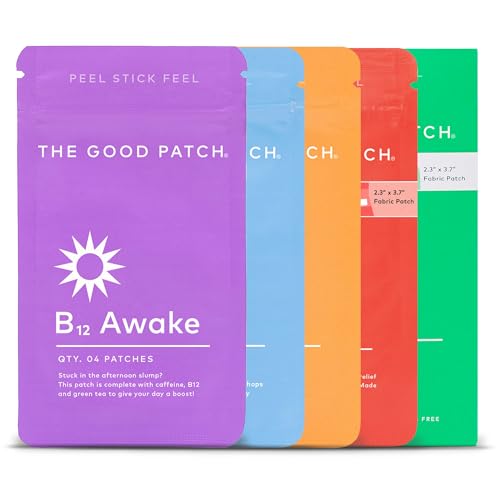
Discover the ultimate solution for life's little challenges with The Good Patch All The Plant Patches Mixed Bundle. This collection features five varieties designed to support your well-being naturally, using plant-based ingredients crafted for specific needs.
- B12 Awake: Energize your day with a blend of B12, caffeine, and green tea extract, perfect for combating afternoon slumps.
- Dream: Experience restful nights with a soothing mix of melatonin and valerian root, fostering better sleep quality.
- Rescue: Recover from a night out with an antioxidant-rich patch infused with DHM and B1, essential for post-party relief.
- Cycle: Alleviate menstrual discomfort using black cohosh and menthol for soothing relief of aches and pains.
- Relief: Soothe muscle and joint discomfort with a blend of menthol, lavender oil, and arnica, delivering instant cooling comfort.
Crafted with care, each patch is designed for easy application and up to 24 hours of support, ensuring convenience and effectiveness in your wellness routine. Trust in The Good Patch to empower your health journey sustainably.
Subscribe & Save with Sustai
- Best Price Guarantee: Always enjoy the lowest prices on sustainable home essentials.
- No Surprises: We’ll notify you before shipping. No hidden fees, ever.
- You’re in Charge: Change, pause, or cancel your subscription anytime with ease.
- Eco-Friendly Deliveries: Our grouped shipments mean less packaging and lower emissions.
Join us on a sustainable journey. Special offers for a limited time! Prices and promotions may change.
Recommended Products

Discover the ultimate solution for life's little challenges with The Good Patch All The Plant Patches Mixed Bundle. This collection features five varieties designed to support your well-being naturally, using plant-based ingredients crafted for specific needs.
- B12 Awake: Energize your day with a blend of B12, caffeine, and green tea extract, perfect for combating afternoon slumps.
- Dream: Experience restful nights with a soothing mix of melatonin and valerian root, fostering better sleep quality.
- Rescue: Recover from a night out with an antioxidant-rich patch infused with DHM and B1, essential for post-party relief.
- Cycle: Alleviate menstrual discomfort using black cohosh and menthol for soothing relief of aches and pains.
- Relief: Soothe muscle and joint discomfort with a blend of menthol, lavender oil, and arnica, delivering instant cooling comfort.
Crafted with care, each patch is designed for easy application and up to 24 hours of support, ensuring convenience and effectiveness in your wellness routine. Trust in The Good Patch to empower your health journey sustainably.
You can have at most 2 Sustainable Steals products in your cart
Customer Reviews

Customers’ View
Customers generally express satisfaction with The Good Patch All The Plant Patches Mixed Bundle, noting its effectiveness for various common ailments. Many users appreciate the plant-based ingredients, particularly highlighting the B12 Awake patches for providing an energy boost without jitters. The Dream patches are recognized for promoting restful sleep, with one user noting their positive effects on sleep cycles. Additionally, the Cycle patches receive praise for their relief from menstrual discomfort, with some users describing them as 'magical.' However, there are mentions of concerns regarding the quantity of patches, with some customers feeling misled by the packaging. Overall, this product is seen as a convenient and natural solution for health-conscious consumers seeking relief from everyday challenges.
AI-generated from the text of customer reviewsThis product has no reviews yet.