
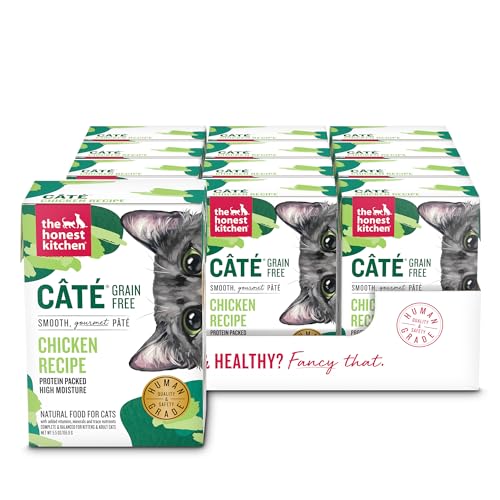


The Honest Kitchen Câté™ Grain Free Chicken Pâté - Complete Nutrition, Human Grade - 5.5oz (12 Pack)


Vitamin D3
High RiskVitamin D3, also known as cholecalciferol, is a fat-soluble vitamin important for calcium metabolism and bone health. It is synthesized in the skin upon exposure to sunlight and is also found in some foods and supplements. Its primary function is to promote the absorption of calcium and phosphorus in the body.
Sustai Insights
Vitamin D3 offers functional benefits such as supporting bone health and immune function. However, excessive intake can lead to toxicity, presenting risks like hypercalcemia. Environmental concerns include its potential for bioaccumulation. Regulatory bodies impose usage restrictions due to these risks, resulting in a high overall risk assessment. Safe usage practices should be observed, and alternatives such as vitamin D2 may be considered.
Riboflavin
Low RiskRiboflavin, also known as Vitamin B2, is a water-soluble vitamin essential for energy production and cellular function. It plays a critical role in the metabolism of fats, carbohydrates, and proteins, and is commonly used as a dietary supplement and food additive for its color and nutritional benefits.
Sustai Insights
Riboflavin offers functional benefits, including its role in energy metabolism and as a food colorant. It is generally recognized as safe with low risk for allergies, carcinogenicity, and reproductive toxicity. However, excessive intake can lead to minor side effects such as yellow urine. Environmentally, riboflavin poses low pollutant potential and is not bioaccumulative. Regulatory bodies like the FDA have approved its use, establishing a low risk profile overall. Recommended usage levels are safe, and alternatives include other B vitamins, ensuring a balanced intake.
Pyridoxine Hcl
Low RiskPyridoxine HCl is a substituted aromatic compound that serves as a form of vitamin B6. It is commonly used in dietary supplements and cosmetic formulations for its role in various metabolic functions and its contribution to skin health.
Sustai Insights
Pyridoxine HCl is known for its functional benefits in metabolic processes and skin health enhancement. It poses low health risks, including minimal concerns regarding carcinogenicity, allergies, and reproductive toxicity. Environmental risks are also low, as it is not classified as a pollutant or bioaccumulative substance. Regulatory agencies, including the FDA, have not imposed restrictions on its use. Overall, it is considered a low-risk ingredient, suitable for a variety of applications without significant health or environmental concerns.
Potassium Chloride
Low RiskPotassium chloride is an inorganic salt commonly used as a potassium supplement and for its flavor-enhancing properties in food products. It serves as a mineral source and is utilized in various applications, including electrolyte balance in dietary formulations and as a partial substitute for sodium chloride.
Sustai Insights
Potassium chloride offers functional benefits as a potassium source, aiding in electrolyte balance and enhancing flavor. It is generally regarded as low risk, with minimal health concerns regarding carcinogenicity, allergies, or reproductive toxicity. Environmental impacts are also low, with no significant pollutant or bioaccumulation concerns noted. Regulatory bodies, including the FDA, do not impose restrictions on its use. Safe usage is advised to avoid excessive intake. Overall, potassium chloride is considered a safe ingredient with low risk, making it a viable option in various formulations.
Cucurbita Pepo (Pumpkin)
Low RiskCucurbita pepo (pumpkin) is a gourd belonging to the Cucurbitaceae family, commonly cultivated for its edible fruit and seeds. It is often utilized in food products and cosmetics for its moisturizing properties and as a source of vitamins and antioxidants.
Sustai Insights
Cucurbita pepo exhibits functional benefits, serving as a moisturizer and a source of vitamins A and C, contributing to skin nourishment. It is sustainably sourced and biodegradable. Health risks are low, with minimal concerns regarding carcinogenicity, allergens, or toxicity. Environmental hazards are also low, with no significant pollutant potential. Regulatory bodies have not imposed restrictions on its use. Overall, the risk level associated with this ingredient is low, making it a safe choice in formulations.
Biotin
Low RiskBiotin, also known as vitamin B7, is a water-soluble vitamin that plays a crucial role in the metabolism of carbohydrates, fats, and proteins. It is commonly used in dietary supplements and cosmetic products to support healthy hair, skin, and nails, due to its involvement in keratin synthesis.
Sustai Insights
Biotin is recognized for its functional benefits, particularly in promoting hair and skin health. It is generally considered safe, with low concerns regarding carcinogenicity, allergenic potential, and reproductive toxicity. Regulatory bodies such as the FDA have no significant restrictions on its use, and it is not associated with substantial environmental risks. Overall, biotin is assessed to be low risk, making it a viable ingredient in various formulations. Safe usage practices include adhering to recommended dosages, and alternatives may be considered for those seeking plant-based or vegan options.
Taurine
Low RiskTaurine is a naturally occurring amino acid primarily found in the brain, heart, and muscles. It plays a crucial role in various physiological processes, including bile salt formation, osmoregulation, and membrane stabilization. Taurine is commonly used in dietary supplements and energy drinks due to its purported benefits in enhancing athletic performance and cognitive function.
Sustai Insights
Taurine exhibits functional benefits such as supporting cardiovascular health and potentially enhancing exercise performance. It poses low health risks, with no significant concerns regarding carcinogenicity, allergies, or reproductive toxicity. Environmentally, taurine is not associated with pollution or bioaccumulation. Regulatory bodies have not issued specific warnings or restrictions. Overall, taurine presents a low-risk profile, making it a relatively safe ingredient in various applications. Safe usage practices should be followed, and alternatives like other amino acids can be considered for specific needs.
Tocopherol, D Alpha
Low RiskTocopherol, specifically d-alpha tocopherol, is a naturally occurring form of Vitamin E. It is commonly used in cosmetic and personal care products primarily for its antioxidant properties, helping to protect formulations from oxidation and extend shelf life.
Sustai Insights
D-alpha tocopherol provides effective antioxidant benefits, contributing to product stability. It is sustainably sourced and generally regarded as safe, with low concerns regarding carcinogenicity, allergies, and reproductive toxicity. However, there are minor concerns about endocrine disruption. Regulatory bodies have not imposed significant restrictions, indicating low overall risk. Recommended usage practices include adhering to established safe concentration thresholds. Alternatives, such as other forms of Vitamin E or plant-based antioxidants, may also be considered.
Potassium Iodide
Low RiskPotassium iodide is an inorganic salt commonly used as a dietary supplement and in pharmaceuticals. It serves various functions, including as a source of iodine, which is essential for thyroid hormone production, and is utilized in certain medical treatments.
Sustai Insights
Potassium iodide provides essential iodine, supporting thyroid health and preventing deficiency. It is generally recognized as safe, with low concerns for carcinogenicity, allergies, and reproductive toxicity. However, it has moderate persistence and bioaccumulation potential in the environment. Regulatory bodies do not impose significant restrictions on its use. Overall, the ingredient is assessed to have a low risk profile, with no major health or environmental concerns, making it a suitable option in its applications.
Cyanocobalamin (Vitamin B12)
Low RiskCyanocobalamin, commonly known as vitamin B12, is a water-soluble vitamin essential for red blood cell formation, neurological function, and DNA synthesis. It is utilized in dietary supplements and fortified foods to prevent or treat B12 deficiency, particularly in individuals with limited dietary intake or absorption issues.
Sustai Insights
Cyanocobalamin serves critical physiological functions including energy metabolism and red blood cell production. It is deemed safe with low health risk concerns across various categories such as cancer, allergies, and reproductive toxicity. Environmental impact is minimal, lacking bioaccumulation or significant pollutants. Regulatory bodies, including the FDA, recognize its safety, affirming low risk overall. Recommended usage involves adherence to established dietary allowances, with few noted alternatives. Therefore, the overall assessment indicates low risk.
Yucca Schidigera (Mojave Yucca) Extract
Low RiskYucca schidigera extract is derived from the Mojave yucca plant, primarily used for its surfactant and emulsifying properties in cosmetic and personal care products. It is known for its potential to enhance product texture and stability, and may also provide mild cleansing effects.
Sustai Insights
Yucca schidigera extract offers functional benefits such as acting as a surfactant and emulsifier, contributing to product stability. It is considered low-risk for adverse health effects, with no significant concerns for carcinogenicity, allergies, or reproductive toxicity. Environmentally, it poses minimal risks and is not known to be bioaccumulative. Regulatory assessments do not indicate restrictions, affirming its safety profile. Safe usage practices are recommended, and alternatives such as plant-based surfactants may be considered for improved sustainability. Overall, the risk level associated with this ingredient is low.
Agar
Low RiskAgar is a dried, hydrophilic, colloidal polysaccharide derived from red algae, primarily used as a thickening agent and gelling agent in food and laboratory applications. It is known for its ability to absorb water and form a gel-like consistency, making it a popular ingredient in various culinary and scientific contexts.
Sustai Insights
Agar serves as an effective thickening and gelling agent, and is biodegradable and sustainably sourced from red algae, contributing to its environmental appeal. Health risks are low, with minimal concerns regarding carcinogenicity, allergies, or reproductive toxicity. Environmental impact is also low, with no significant pollutant or bioaccumulation concerns. Regulatory bodies such as the FDA have no restrictions on its use. Overall, agar presents a low risk profile, making it a favorable ingredient in both food and scientific applications.
Pyridoxine
Low RiskPyridoxine is a substituted aromatic compound, primarily known as vitamin B6. It plays a crucial role in various metabolic processes, including amino acid metabolism, neurotransmitter synthesis, and the production of hemoglobin.
Sustai Insights
Pyridoxine serves essential functions in metabolic processes and is vital for overall health. It poses low health risks, with minimal concerns related to carcinogenicity, allergies, or reproductive toxicity. Environmentally, it is not considered a pollutant or bioaccumulative. Regulatory bodies have not imposed significant restrictions, indicating a low risk overall. Safe usage practices are encouraged, and alternatives like other B vitamins can be considered.
Vitamin B3
Low RiskVitamin B3, also known as niacin or nicotinic acid, is an organic compound that plays a crucial role in various metabolic processes in the body. It is commonly used in cosmetic formulations for its ability to improve skin texture and enhance moisture retention, thereby contributing to overall skin health.
Sustai Insights
Vitamin B3 offers functional benefits such as improving skin hydration, reducing the appearance of fine lines, and enhancing overall skin tone. It is generally recognized as safe, with low associated health risks, including minimal concerns for carcinogenicity, allergies, or reproductive toxicity. Environmentally, it poses low risks and is not classified as a pollutant or bioaccumulative. Regulatory bodies have not placed substantial restrictions on its use, affirming its safety in cosmetic applications. Overall, Vitamin B3 is considered a low-risk ingredient, with no significant adverse effects reported. Safe usage practices include using within recommended concentrations, and alternatives like Vitamin B5 can be considered for similar benefits.
Calcite
Low RiskCalcite is a mineral primarily made up of calcium carbonate (CaCO3). It is commonly found in sedimentary rocks and is used in various applications, including construction, agriculture, and as a filler in products due to its whiteness and brightness.
Sustai Insights
Calcite offers functional benefits such as acting as a filler and providing opacity in products. It is sustainably sourced and biodegradable. Health risks are minimal, with low concerns regarding carcinogenicity, allergies, and reproductive toxicity. Environmental risks are also low, as calcite does not contribute significantly to pollution or bioaccumulation. Regulatory bodies do not impose restrictions on its use, affirming its safety. Overall, the risk level associated with calcite is low, making it a safe ingredient in various applications.
Folic Acid
Low RiskFolic acid, also known as vitamin B9, is a water-soluble vitamin essential for DNA synthesis, repair, and methylation. It plays a critical role in cell division and is particularly important during periods of rapid growth, such as pregnancy and fetal development. It is commonly included in dietary supplements and fortified foods.
Sustai Insights
Folic acid offers functional benefits as a vital nutrient for cellular processes and is generally recognized as safe with low associated health risks, including carcinogenicity, allergenic potential, and reproductive toxicity. It is not restricted by regulatory bodies, and sustainable sourcing practices are often employed. Environmental risks are minimal, with no significant pollutant or bioaccumulation concerns. While the ingredient can be beneficial for pregnant women, safe usage practices should be observed to avoid excessive intake. Overall, the risk level associated with folic acid is low, with no major adverse effects reported.
Calcium Pantothenate
Low RiskCalcium pantothenate is a calcium salt of pantothenic acid (vitamin B5), commonly used as a dietary supplement and in cosmetic formulations. It serves as a conditioning agent, promoting skin hydration and improving product texture, thus enhancing the overall effectiveness of formulations.
Sustai Insights
Calcium pantothenate offers several functional benefits, including skin conditioning and hydration properties, contributing positively to product performance. It is generally considered safe, with low concerns regarding health risks such as carcinogenicity and allergies. Environmental risks are minimal, as it is neither bioaccumulative nor a significant pollutant. Regulatory bodies like the FDA have approved its use, with no substantial restrictions noted. Overall, it presents a low risk profile. For safer alternatives, options like sodium hyaluronate may be considered in formulations.
Riboflavin
Low RiskRiboflavin, also known as Vitamin B2, is a water-soluble vitamin essential for energy production and cellular function. It plays a critical role in the metabolism of fats, carbohydrates, and proteins, and is commonly used as a dietary supplement and food additive for its color and nutritional benefits.
Sustai Insights
Riboflavin offers functional benefits, including its role in energy metabolism and as a food colorant. It is generally recognized as safe with low risk for allergies, carcinogenicity, and reproductive toxicity. However, excessive intake can lead to minor side effects such as yellow urine. Environmentally, riboflavin poses low pollutant potential and is not bioaccumulative. Regulatory bodies like the FDA have approved its use, establishing a low risk profile overall. Recommended usage levels are safe, and alternatives include other B vitamins, ensuring a balanced intake.
Pyridoxine Hcl
Low RiskPyridoxine HCl is a substituted aromatic compound that serves as a form of vitamin B6. It is commonly used in dietary supplements and cosmetic formulations for its role in various metabolic functions and its contribution to skin health.
Sustai Insights
Pyridoxine HCl is known for its functional benefits in metabolic processes and skin health enhancement. It poses low health risks, including minimal concerns regarding carcinogenicity, allergies, and reproductive toxicity. Environmental risks are also low, as it is not classified as a pollutant or bioaccumulative substance. Regulatory agencies, including the FDA, have not imposed restrictions on its use. Overall, it is considered a low-risk ingredient, suitable for a variety of applications without significant health or environmental concerns.
Potassium Chloride
Low RiskPotassium chloride is an inorganic salt commonly used as a potassium supplement and for its flavor-enhancing properties in food products. It serves as a mineral source and is utilized in various applications, including electrolyte balance in dietary formulations and as a partial substitute for sodium chloride.
Sustai Insights
Potassium chloride offers functional benefits as a potassium source, aiding in electrolyte balance and enhancing flavor. It is generally regarded as low risk, with minimal health concerns regarding carcinogenicity, allergies, or reproductive toxicity. Environmental impacts are also low, with no significant pollutant or bioaccumulation concerns noted. Regulatory bodies, including the FDA, do not impose restrictions on its use. Safe usage is advised to avoid excessive intake. Overall, potassium chloride is considered a safe ingredient with low risk, making it a viable option in various formulations.
Cucurbita Pepo (Pumpkin)
Low RiskCucurbita pepo (pumpkin) is a gourd belonging to the Cucurbitaceae family, commonly cultivated for its edible fruit and seeds. It is often utilized in food products and cosmetics for its moisturizing properties and as a source of vitamins and antioxidants.
Sustai Insights
Cucurbita pepo exhibits functional benefits, serving as a moisturizer and a source of vitamins A and C, contributing to skin nourishment. It is sustainably sourced and biodegradable. Health risks are low, with minimal concerns regarding carcinogenicity, allergens, or toxicity. Environmental hazards are also low, with no significant pollutant potential. Regulatory bodies have not imposed restrictions on its use. Overall, the risk level associated with this ingredient is low, making it a safe choice in formulations.
Biotin
Low RiskBiotin, also known as vitamin B7, is a water-soluble vitamin that plays a crucial role in the metabolism of carbohydrates, fats, and proteins. It is commonly used in dietary supplements and cosmetic products to support healthy hair, skin, and nails, due to its involvement in keratin synthesis.
Sustai Insights
Biotin is recognized for its functional benefits, particularly in promoting hair and skin health. It is generally considered safe, with low concerns regarding carcinogenicity, allergenic potential, and reproductive toxicity. Regulatory bodies such as the FDA have no significant restrictions on its use, and it is not associated with substantial environmental risks. Overall, biotin is assessed to be low risk, making it a viable ingredient in various formulations. Safe usage practices include adhering to recommended dosages, and alternatives may be considered for those seeking plant-based or vegan options.
Taurine
Low RiskTaurine is a naturally occurring amino acid primarily found in the brain, heart, and muscles. It plays a crucial role in various physiological processes, including bile salt formation, osmoregulation, and membrane stabilization. Taurine is commonly used in dietary supplements and energy drinks due to its purported benefits in enhancing athletic performance and cognitive function.
Sustai Insights
Taurine exhibits functional benefits such as supporting cardiovascular health and potentially enhancing exercise performance. It poses low health risks, with no significant concerns regarding carcinogenicity, allergies, or reproductive toxicity. Environmentally, taurine is not associated with pollution or bioaccumulation. Regulatory bodies have not issued specific warnings or restrictions. Overall, taurine presents a low-risk profile, making it a relatively safe ingredient in various applications. Safe usage practices should be followed, and alternatives like other amino acids can be considered for specific needs.
Tocopherol, D Alpha
Low RiskTocopherol, specifically d-alpha tocopherol, is a naturally occurring form of Vitamin E. It is commonly used in cosmetic and personal care products primarily for its antioxidant properties, helping to protect formulations from oxidation and extend shelf life.
Sustai Insights
D-alpha tocopherol provides effective antioxidant benefits, contributing to product stability. It is sustainably sourced and generally regarded as safe, with low concerns regarding carcinogenicity, allergies, and reproductive toxicity. However, there are minor concerns about endocrine disruption. Regulatory bodies have not imposed significant restrictions, indicating low overall risk. Recommended usage practices include adhering to established safe concentration thresholds. Alternatives, such as other forms of Vitamin E or plant-based antioxidants, may also be considered.
Potassium Iodide
Low RiskPotassium iodide is an inorganic salt commonly used as a dietary supplement and in pharmaceuticals. It serves various functions, including as a source of iodine, which is essential for thyroid hormone production, and is utilized in certain medical treatments.
Sustai Insights
Potassium iodide provides essential iodine, supporting thyroid health and preventing deficiency. It is generally recognized as safe, with low concerns for carcinogenicity, allergies, and reproductive toxicity. However, it has moderate persistence and bioaccumulation potential in the environment. Regulatory bodies do not impose significant restrictions on its use. Overall, the ingredient is assessed to have a low risk profile, with no major health or environmental concerns, making it a suitable option in its applications.
Cyanocobalamin (Vitamin B12)
Low RiskCyanocobalamin, commonly known as vitamin B12, is a water-soluble vitamin essential for red blood cell formation, neurological function, and DNA synthesis. It is utilized in dietary supplements and fortified foods to prevent or treat B12 deficiency, particularly in individuals with limited dietary intake or absorption issues.
Sustai Insights
Cyanocobalamin serves critical physiological functions including energy metabolism and red blood cell production. It is deemed safe with low health risk concerns across various categories such as cancer, allergies, and reproductive toxicity. Environmental impact is minimal, lacking bioaccumulation or significant pollutants. Regulatory bodies, including the FDA, recognize its safety, affirming low risk overall. Recommended usage involves adherence to established dietary allowances, with few noted alternatives. Therefore, the overall assessment indicates low risk.
Yucca Schidigera (Mojave Yucca) Extract
Low RiskYucca schidigera extract is derived from the Mojave yucca plant, primarily used for its surfactant and emulsifying properties in cosmetic and personal care products. It is known for its potential to enhance product texture and stability, and may also provide mild cleansing effects.
Sustai Insights
Yucca schidigera extract offers functional benefits such as acting as a surfactant and emulsifier, contributing to product stability. It is considered low-risk for adverse health effects, with no significant concerns for carcinogenicity, allergies, or reproductive toxicity. Environmentally, it poses minimal risks and is not known to be bioaccumulative. Regulatory assessments do not indicate restrictions, affirming its safety profile. Safe usage practices are recommended, and alternatives such as plant-based surfactants may be considered for improved sustainability. Overall, the risk level associated with this ingredient is low.
Agar
Low RiskAgar is a dried, hydrophilic, colloidal polysaccharide derived from red algae, primarily used as a thickening agent and gelling agent in food and laboratory applications. It is known for its ability to absorb water and form a gel-like consistency, making it a popular ingredient in various culinary and scientific contexts.
Sustai Insights
Agar serves as an effective thickening and gelling agent, and is biodegradable and sustainably sourced from red algae, contributing to its environmental appeal. Health risks are low, with minimal concerns regarding carcinogenicity, allergies, or reproductive toxicity. Environmental impact is also low, with no significant pollutant or bioaccumulation concerns. Regulatory bodies such as the FDA have no restrictions on its use. Overall, agar presents a low risk profile, making it a favorable ingredient in both food and scientific applications.
Pyridoxine
Low RiskPyridoxine is a substituted aromatic compound, primarily known as vitamin B6. It plays a crucial role in various metabolic processes, including amino acid metabolism, neurotransmitter synthesis, and the production of hemoglobin.
Sustai Insights
Pyridoxine serves essential functions in metabolic processes and is vital for overall health. It poses low health risks, with minimal concerns related to carcinogenicity, allergies, or reproductive toxicity. Environmentally, it is not considered a pollutant or bioaccumulative. Regulatory bodies have not imposed significant restrictions, indicating a low risk overall. Safe usage practices are encouraged, and alternatives like other B vitamins can be considered.
Vitamin B3
Low RiskVitamin B3, also known as niacin or nicotinic acid, is an organic compound that plays a crucial role in various metabolic processes in the body. It is commonly used in cosmetic formulations for its ability to improve skin texture and enhance moisture retention, thereby contributing to overall skin health.
Sustai Insights
Vitamin B3 offers functional benefits such as improving skin hydration, reducing the appearance of fine lines, and enhancing overall skin tone. It is generally recognized as safe, with low associated health risks, including minimal concerns for carcinogenicity, allergies, or reproductive toxicity. Environmentally, it poses low risks and is not classified as a pollutant or bioaccumulative. Regulatory bodies have not placed substantial restrictions on its use, affirming its safety in cosmetic applications. Overall, Vitamin B3 is considered a low-risk ingredient, with no significant adverse effects reported. Safe usage practices include using within recommended concentrations, and alternatives like Vitamin B5 can be considered for similar benefits.
Calcite
Low RiskCalcite is a mineral primarily made up of calcium carbonate (CaCO3). It is commonly found in sedimentary rocks and is used in various applications, including construction, agriculture, and as a filler in products due to its whiteness and brightness.
Sustai Insights
Calcite offers functional benefits such as acting as a filler and providing opacity in products. It is sustainably sourced and biodegradable. Health risks are minimal, with low concerns regarding carcinogenicity, allergies, and reproductive toxicity. Environmental risks are also low, as calcite does not contribute significantly to pollution or bioaccumulation. Regulatory bodies do not impose restrictions on its use, affirming its safety. Overall, the risk level associated with calcite is low, making it a safe ingredient in various applications.
Folic Acid
Low RiskFolic acid, also known as vitamin B9, is a water-soluble vitamin essential for DNA synthesis, repair, and methylation. It plays a critical role in cell division and is particularly important during periods of rapid growth, such as pregnancy and fetal development. It is commonly included in dietary supplements and fortified foods.
Sustai Insights
Folic acid offers functional benefits as a vital nutrient for cellular processes and is generally recognized as safe with low associated health risks, including carcinogenicity, allergenic potential, and reproductive toxicity. It is not restricted by regulatory bodies, and sustainable sourcing practices are often employed. Environmental risks are minimal, with no significant pollutant or bioaccumulation concerns. While the ingredient can be beneficial for pregnant women, safe usage practices should be observed to avoid excessive intake. Overall, the risk level associated with folic acid is low, with no major adverse effects reported.
Calcium Pantothenate
Low RiskCalcium pantothenate is a calcium salt of pantothenic acid (vitamin B5), commonly used as a dietary supplement and in cosmetic formulations. It serves as a conditioning agent, promoting skin hydration and improving product texture, thus enhancing the overall effectiveness of formulations.
Sustai Insights
Calcium pantothenate offers several functional benefits, including skin conditioning and hydration properties, contributing positively to product performance. It is generally considered safe, with low concerns regarding health risks such as carcinogenicity and allergies. Environmental risks are minimal, as it is neither bioaccumulative nor a significant pollutant. Regulatory bodies like the FDA have approved its use, with no substantial restrictions noted. Overall, it presents a low risk profile. For safer alternatives, options like sodium hyaluronate may be considered in formulations.
Vitamin D3
High RiskVitamin D3, also known as cholecalciferol, is a fat-soluble vitamin important for calcium metabolism and bone health. It is synthesized in the skin upon exposure to sunlight and is also found in some foods and supplements. Its primary function is to promote the absorption of calcium and phosphorus in the body.
Sustai Insights
Vitamin D3 offers functional benefits such as supporting bone health and immune function. However, excessive intake can lead to toxicity, presenting risks like hypercalcemia. Environmental concerns include its potential for bioaccumulation. Regulatory bodies impose usage restrictions due to these risks, resulting in a high overall risk assessment. Safe usage practices should be observed, and alternatives such as vitamin D2 may be considered.
Discover The Honest Kitchen Câté™ Grain Free Chicken Pâté Wet Cat Food, a nutritious option for cats of all ages. Crafted with human-grade ingredients and formulated by vet nutritionists, this premium food provides complete, balanced nutrition without fillers or artificial additives.
- Complete Nutrition: Ideal for kittens, adults, and pregnant cats, ensuring all life stages receive essential nutrients.
- Human Grade Quality: Made in a human food facility, guaranteeing high standards of safety and ingredient quality.
- Natural Ingredients: Packed with real chicken, pumpkin, and blueberries, offering a wholesome meal without any meat meals or by-products.
- Sustainably Sourced: As a certified B Corporation, the brand prioritizes social and environmental responsibility, contributing positively to communities and ecosystems.
- Easy Preparation: Simple steps for serving and storing ensure a hassle-free feeding experience, keeping your cat healthy and happy.
Subscribe & Save with Sustai
- Best Price Guarantee: Always enjoy the lowest prices on sustainable home essentials.
- No Surprises: We’ll notify you before shipping. No hidden fees, ever.
- You’re in Charge: Change, pause, or cancel your subscription anytime with ease.
- Eco-Friendly Deliveries: Our grouped shipments mean less packaging and lower emissions.
Join us on a sustainable journey. Special offers for a limited time! Prices and promotions may change.
Recommended Products
Discover The Honest Kitchen Câté™ Grain Free Chicken Pâté Wet Cat Food, a nutritious option for cats of all ages. Crafted with human-grade ingredients and formulated by vet nutritionists, this premium food provides complete, balanced nutrition without fillers or artificial additives.
- Complete Nutrition: Ideal for kittens, adults, and pregnant cats, ensuring all life stages receive essential nutrients.
- Human Grade Quality: Made in a human food facility, guaranteeing high standards of safety and ingredient quality.
- Natural Ingredients: Packed with real chicken, pumpkin, and blueberries, offering a wholesome meal without any meat meals or by-products.
- Sustainably Sourced: As a certified B Corporation, the brand prioritizes social and environmental responsibility, contributing positively to communities and ecosystems.
- Easy Preparation: Simple steps for serving and storing ensure a hassle-free feeding experience, keeping your cat healthy and happy.
You can have at most 2 Sustainable Steals products in your cart
Customer Reviews
Customers’ View
Customers generally appreciate the quality and nutritional value of The Honest Kitchen Câté™ Grain Free Chicken Pâté Wet Cat Food. Many highlight the human-grade ingredients and absence of fillers, with one customer noting, "The quality of ingredients is better. No more guar gum!" The moisture content is frequently praised, as it provides a soupy texture that cats enjoy, making it easier for them to eat, especially for picky or older cats. Additionally, some users report improvements in digestion and overall health, with cats showing better energy and softer fur. However, a few customers express concerns about the price and issues with their cats refusing to eat it. Overall, the product aligns well with health-conscious and environmentally aware values, although some areas for improvement exist.
AI-generated from the text of customer reviewsThis product is rated 5.0 of 5.0 stars.
It has received 1 review.